E-Paper



Political will key in Iran’s effort to work with India after US sanctions kick in, say diplomats
Iran is among the top three suppliers of energy to India, the world’s fastest growing oil consumer that imports more than 80% of its needs.


Political will be crucial in Iran’s efforts to work with India and other world powers such as China to find solutions before American sanctions on oil imports from Tehran kick in on November 4, senior Iranian diplomats said on Monday.
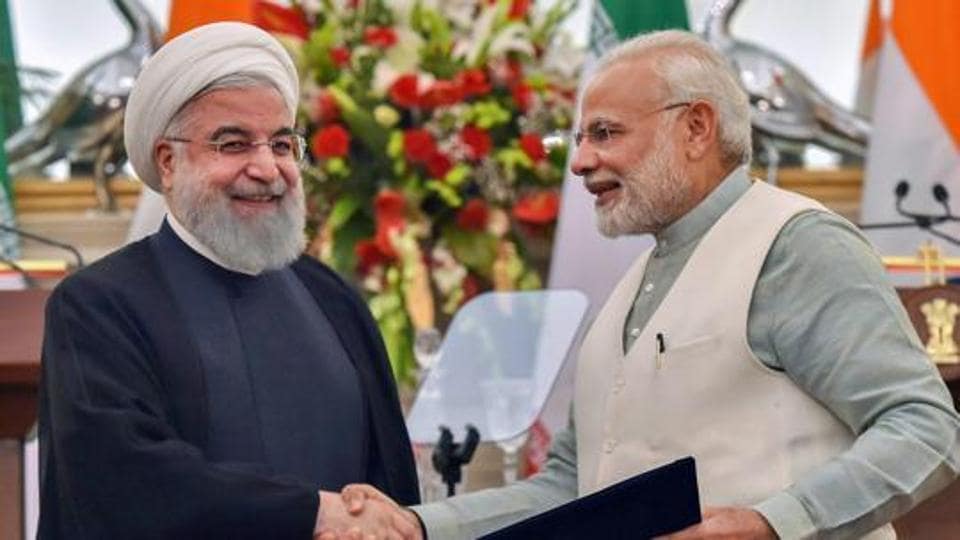
Iran is among the top three suppliers of energy to India, the world’s fastest growing oil consumer that imports more than 80% of its needs. The US has said it wants India and other buyers of Iranian crude to reduce imports to “zero”.
Tehran is working with New Delhi and Beijing to cope with the possible impacts of US sanctions and the Iranian diplomats said any rise in crude prices could have knock-on effects for economies such as China and India.
“When there is political will, there is a way. We are working together to find a solution,” a diplomat said.
However, the diplomats couldn’t “say for certain” that a rupee-rial arrangement – which was resorted to when the previous Obama administration imposed sanctions during 2010-15 – will be part of the solution in the current scenario.
“There are many factors – the ratio of the rupee and other currencies in such an arrangement, the products that will be covered and the beneficiaries. In the end, we must have a mechanism for payments and the rupee can be a part. The details have to be worked out,” said a diplomat.
India’s monthly oil imports from Iran surged by 30% to a record 768,000 barrels per day (bpd) in July. The figure was about 85% higher than that of a year ago. State-run refiners ordered significantly higher volumes for the fiscal year that began in April because of discounts offered by Iran.
The diplomats said Iran has been a reliable energy supplier and offered various “flexibilities” that benefited India, such as long-term credit and free shipping. They also noted that it would not be possible for buyers to find suppliers that can provide large volumes within a period of about three months.
Despite growing pressure from the Donald Trump administration, Tehran is taking heart from the fact that the sanctions this time around are unilateral and not accompanied by similar measures from the UN and European Union.
“Although there is pressure on big companies like Airbus and Total that also have interests in the US or those that have US shareholders, many of the medium and small firms doing business with Iran are not affected by such problems,” a diplomat said.
Tehran also believes powers such as China and India can help in efforts to salvage the Joint Comprehensive Plan of Action (JCPOA) or the Iran nuclear deal following President Trump’s decision to withdraw from the arrangement and impose sanctions.
“India, as an emerging power, can play a very important role at a time when the international world is entirely changed. The world order is unraveling because of the actions of the US. Even groupings such as the EU expect India to play a bigger role,” a diplomat said.