
 E-Paper



‘Quashing ’21 tribunal law violates separation of powers’
The bench observed that it is “very upset” by the government, which, it added, is “bent upon not honouring” the orders of the court and has rather sought to overrule a judgment by enacting a “replica” of the old law.

 Prefer HTon Google


Any attempt by the Supreme Court to strike down the new law on administration of tribunals will violate the constitutionally mandated separation of powers between different organs of the State, the Union government has cautioned the top court, which is examining a clutch of petitions against the validity of the 2021 Tribunal Reforms Act.
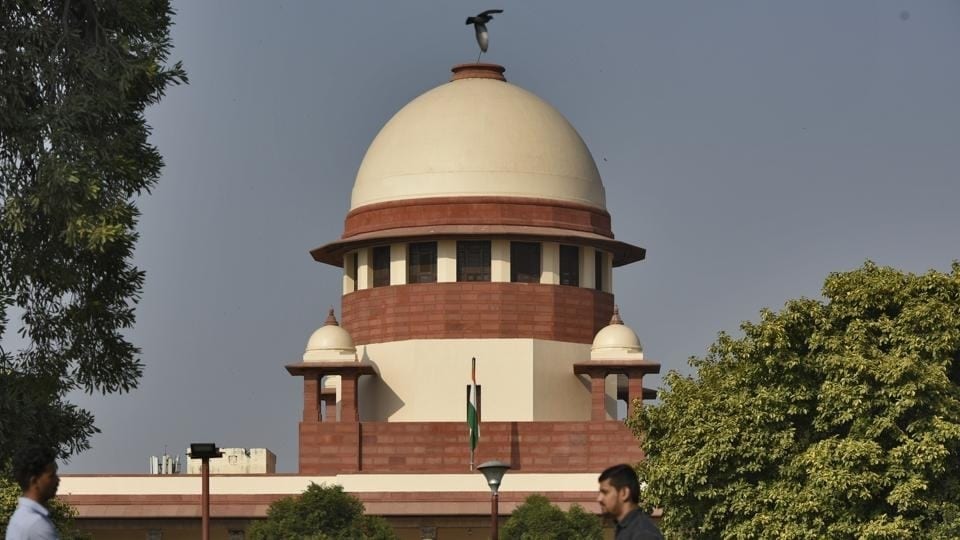
Asserting its authority to enact laws and policies, the Centre has also registered its strong objection against invocation of the principles of independence of judiciary by the Supreme Court to annul laws and rules which, it said, are otherwise valid. “The Government of India is distressed by the fact that both laws and statutory rules made by parliament and executive in areas of pure policy are being held to be void by invoking independence of judiciary when such laws and rules do not violate fundamental rights or any provision of the Constitution, and is wholly within competency,” stated the affidavit filed by the Centre through the department of revenue.
“The government equally believes that the court striking down these pure matters of policy violates the separation of powers by the judicial wind of the state,” maintained the affidavit, emphasising that the Union government is ready to place before the court judicial precedents declaring the exclusive right of parliament and executive to frame policies and execute them.
The response from the central government has come following strictures passed by a bench, headed by Chief Justice of India NV Ramana, in September for bringing back the very same provisions for administration of tribunals in the 2021 law that were struck down by the court in July.
The bench observed that it is “very upset” by the government, which, it added, is “bent upon not honouring” the orders of the court and has rather sought to overrule a judgment by enacting a “replica” of the old law.
A bunch of petitions, filed by Madras Bar Association, Congress leader Jairam Ramesh and others, have requested the top court to quash the new law, which was passed by both the houses in the monsoon session of parliament. The petitions argue that the Centre has re-enacted the same provisions relating to tenure and some other service conditions that were struck down in July on the ground of tinkering with independence of judiciary and violating basic structure of the Constitution.
The government, however, maintained that basic structure in the Constitution can only be used to test the validity of a Constitutional amendment but has no relevance when it comes to validity of a statute.
About tenure and other service conditions, it pointed out that they are all issues of policy and if the parliament is denied the right to make laws relating to policy by invoking the principle of independence of judiciary, “a vital concomitant of legislative power would be lost to parliament, violating the constitutional separation of powers.”



