
 E-Paper



SC panel finalises draft rules for live-streaming trials
The committee, headed by justice Dhananjaya Y Chandrachud, has written a letter to chief justices of all 24 high courts in the country, seeking inputs and suggestions on the draft rules for live-streaming and recording of court proceedings by June 30.

 Prefer HTon Google


Courts across the country may soon open their doors to cameras. In a major step towards making courtrooms accessible to more people, the e-Committee of the Supreme Court has finalised draft rules for live-streaming and recording of court proceedings of the high courts, trial courts and tribunals, finally taking forward the promise of a three-year-old judgment.
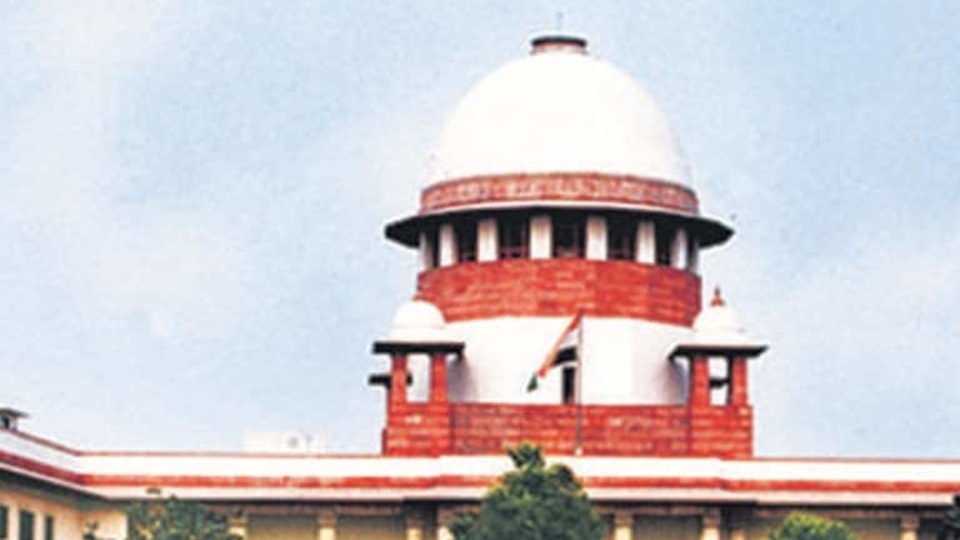
The committee, headed by justice Dhananjaya Y Chandrachud, has written a letter to chief justices of all 24 high courts in the country, seeking inputs and suggestions on the draft rules for live-streaming and recording of court proceedings by June 30.
“The right of access to justice, guaranteed under Article 21 of the Constitution, encompasses the right to access live court proceedings. To imbue greater transparency, inclusivity and foster access to justice, the e-Committee has undertaken the project of live streaming of court proceedings on priority,” stated the letter.
Live-streaming, added the letter, will enable access to live court proceedings, including on matters of public interest to citizens, journalists, civil society, academicians and law students on a real-time basis, something otherwise constrained by geographical, logistical or infrastructural issues.
The e-Committee, which is working with the Department of Justice under the National Policy and Action Plan for implementation of Information and Communication Technology (ICT) in the Indian judiciary, has also invited suggestions and inputs from all stakeholders by June 30.
The Supreme Court in 2018 held in a judgment (Swapnil Tripathi and Indira Jaisingh) that telecast of important cases to an audience outside the courtroom would usher in greater transparency and aid accountability, but little moved since. The finalisation of the draft rules is a leap towards letting lights and cameras inside the public institutions. Speaking to HT, justice Chandrachud said that the rules provide for a legal framework and a balanced regulatory structure for live-streaming and recording of court proceedings.
“Going forward, infrastructural requirements such as cloud storage and adequate bandwidth will have to be met. The committee is working towards ensuring proper infrastructure so that high courts across the country have an efficient platform to stream the proceedings.”
Justice Chandrachud added that the draft rules have been framed with a view to realise the vision of the 2018 judgment and to make certain the courts are open and accountable to the community. The draft rules place a presumption in favour of broadcasting of court proceedings except in a defined range of circumstances. Cases relating to matrimony, sexual offences, gender violence, recording of evidence and those that may provoke enmity among communities have been kept out of the ambit of live-streaming.



