
 E-Paper



Supreme Court's tough words against bulldozer justice: 'No demolition even if person is convicted'
The Supreme Court, however, clarified that it will not protect any illegal structure obstructing public roads.

 Prefer HTon Google


The Supreme Court on Monday came down heavily against bulldozer justice, saying properties can't be demolished just because they belong to a person who is accused of a crime. The court said that it proposes to lay down guidelines on the issue.
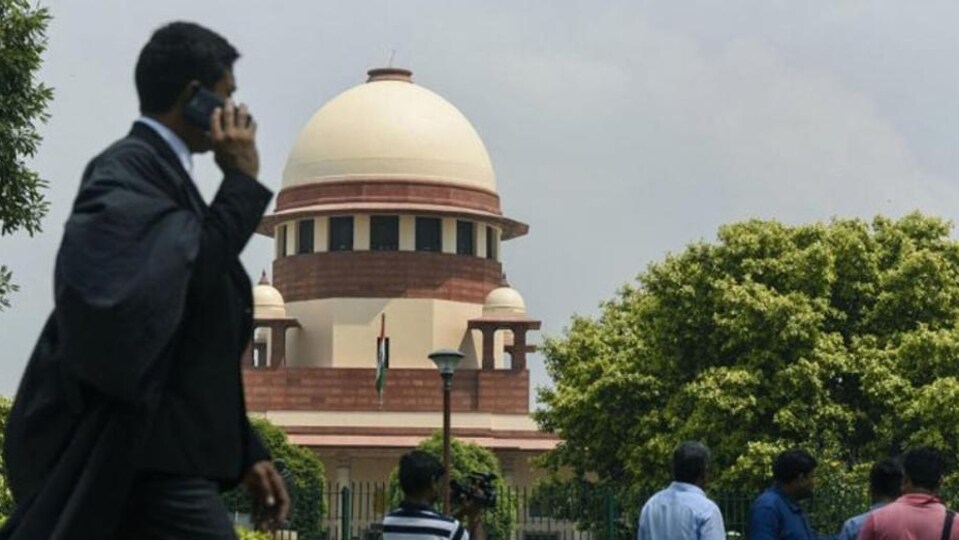
Hearing a batch of pleas against bulldozer/demolition action, often undertaken by authorities against the houses of those accused of serious crimes, the court said property can't be demolished even if the person is convicted.
The Supreme Court, however, clarified it will not protect any illegal structure obstructing public roads.
The Supreme Court asked authorities how anybody's house could be demolished just because he is an accused. "Even if he is a convict, still it can't be done without following the procedure as prescribed by law," a bench of Justices B R Gavai and K V Viswanathan said on pleas against demolition action.
"We propose to lay down certain guidelines on a pan-India basis so that the concerns about the issues raised are taken care of," the bench added.
Also read: MP CM says he “doesn’t like bulldozer culture”; no plans for UCC
Justice KV Viswanathan observed that a "father may have a recalcitrant son, but if the house is demolished on this ground...this is not the way to go about it", reported India Today.
The court said such demolition can happen only if the structure is illegal.
Also read: ‘Targeting of minorities deeply troubling’: Congress chief Kharge on bulldozer action in BJP-ruled states
Justice Viswanathan asked why directions cannot be passed to avoid such cases.
"First notice, time to answer, time to seek legal remedies, and then demolition," he said, reported NDTV.
Over the past few years, several state governments have demolished houses and properties belonging to those involved in serious crimes.
The Supreme Court posted the matter for hearing on September 17.


