E-Paper



Serum Institute to begin Sputnik V vaccine production in September
The first batch of Sputnik vaccine is expected to be produced at SII’s facilities in September. The parties intend to produce over 300 million doses of the vaccine in India per year, said RFID, Russia’s sovereign wealth fund that markets the vaccine globally

 Prefer HTon Google


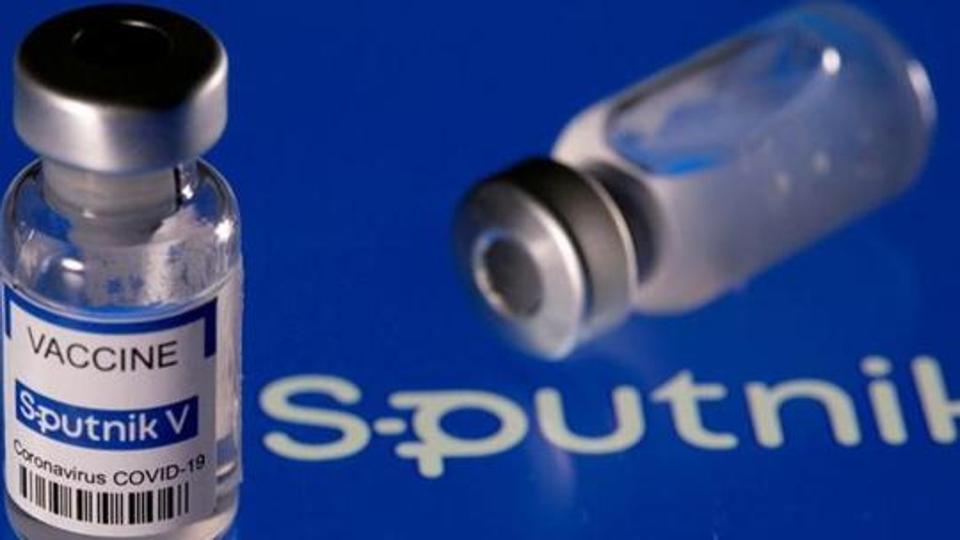
Serum Institute of India (SII) will begin production of the Russian-made Coronavirus disease (Covid-19) vaccine, Sputnik V, in September, with an annual production capacity of 300 million vaccine doses, the Russian Direct Investment Fund (RDIF), Russia’s sovereign wealth fund that markets the vaccine globally, announced on Tuesday.
On July 4, the drugs controller general of India (DCGI) granted test license to SII for manufacturing small batches meant for examination, test, and analysis at SII’s licensed Hadapsar facility in Pune.
“The first batch of Sputnik vaccine is expected to be produced at SII’s facilities in September. The parties intend to produce over 300 million doses of the vaccine in India per year. As part of the technical transfer process, SII has already received cell and vector samples from the Gamaleya Center. With their import approved by the Drug Controller General of India (DCGI), the cultivation process has begun,” said RDIF in a statement.
Also Read | Sputnik V vaccine effective against new variants of coronavirus: Study
SII is also currently manufacturing Covishield, the Oxford-AstraZeneca Covid-19 vaccine, Covovax that is the local name for the Novavax Covid-19 vaccine, and also conducting trials of Codagenix in UK.
“I am delighted to partner with RDIF to manufacture the Sputnik vaccine. We hope to make millions of doses in the coming months with trial batches starting in the month of September. With high efficacy and a good safety profile, it is critical that the Sputnik vaccine is accessible in full measure for people across India and the world. Given the uncertainty of the virus, it is important for international institutes, and governments to collaborate and further bolster up our fight against the pandemic,” said Adar Poonawalla, chief executive officer (CEO), SII, in a statement.
India is the leading production hub for production of Sputnik vaccine, with RDIF having reached agreements with a number of pharmaceutical companies in India for manufacturing and looking at about 850 million doses to be produced annually. The companies RDIF has tied up with are Gland Pharma, Hetero Biopharma, Panacea Biotec, Stelis Biopharma, Virchow Biotech and Morepen for production of the Russian vaccine.
“RDIF is delighted to cooperate with Serum Institute of India, the world’s largest vaccine manufacturer. This strategic partnership is a major step to substantially increase our production capabilities demonstrating a perfect example of joining forces and expertise to save lives both in India and around the world. With technology transfer underway we expect the first batches of the vaccine to be produced jointly with SII in coming months,” said Kirill Dmitriev, CEO RDIF.
To date, Russian Sputnik V vaccine has been registered in 67 countries with a total population of over 3.5 billion people.
Meanwhile, Dr Reddy’s laboratories that entered a partnership with RDIF to market the first 250 million doses of Sputnik V in India on Tuesday announced that commercial launch of the vaccine in India will begin in the coming week.