E-Paper



Six states traversed by Western Ghats not ready to propose ESAs
The Union environment ministry proposed in July that notification of ESAs in the six Western Ghats states could be done in a phased manner, state by state.

 Prefer HTon Google


New Delhi None of the six states traversed by the Western Ghats has proposed eco-sensitive areas (ESAs) for notification to the Centre, senior environment ministry officials said on Monday.
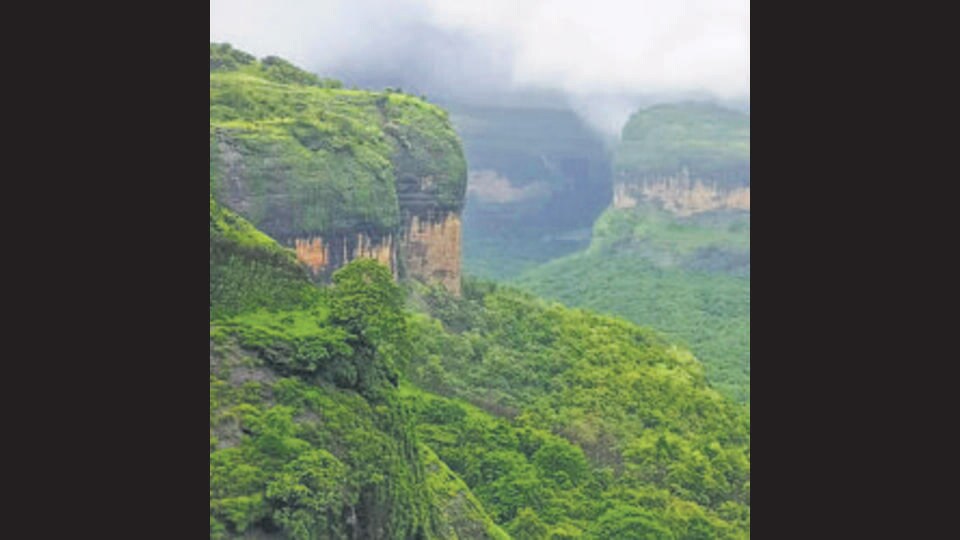
The Union environment ministry proposed in July that notification of ESAs in the six Western Ghats states could be done in a phased manner, state by state, and on July 31, issued a draft notification to the effect. To date, no state has agreed to this, despite a spate of deadly landslides impacting Kerala’s Western Ghats this monsoon killing over 300 persons.
The draft provides the extent of ESAs in each of the six states, Kerala, Karnataka, Maharashtra, Tamil Nadu, Gujarat, and Goa. For example, in Kerala, following physical verification by Kerala government, 9,993.7 sqkm has been proposed for implementation of ESA, but, the draft clarified that the “actual area will be finalized based on the recommendation of the state, views of stakeholders and ESA Expert Committee.”
The 60 day period for public response on the draft notification expired on October 1.
The ministry has received several objections and suggestions, many of which are repetitive, to the draft notification, the officials cited in the first instance said.
The ministry issued the notification, the sixth such draft, on the Western Ghats Ecologically Sensitive Area on July 31, 13 years since the first such demarcation was recommended by a panel led by eminent ecologist Madhav Gadgil in 2011. On July 30, a series of landslides in Kerala’s Wayanad region killed over 300 persons . Several parts of Wayanad, including those impacted by the landslides this year, figure in the draft list of eco-sensitive areas.
The environment ministry constituted a high level committee headed by Sanjay Kumar, former director general, forests in 2022 to re-examine the suggestions of the six state governments in a “holistic manner, keeping in view the conservation aspects of the disaster prone pristine ecosystem, and the rights, privileges, needs and developmental aspirations of the region.”
“The Expert Committee on WGESA headed by Sanjay Kumar, Former Director General and Special Secretary at the Ministry of Environment, Forest and Climate Change (MoEFCC) is examining the proposals/ and concerns of the Western Ghats region states. The Ministry has published the 6th draft notification of WGESA on 31.07.2024 and received several representations and suggestions from the various stakeholders/general public on the draft WGESA notification which are being scrutinized “ said a second official who asked not to be named.
The Terms of Reference (ToR) for the Sanjay Kumar committee was to examine views of state governments concerned, keeping in view the fragility of the area; deliberate whether the village should be considered as a unit for declaring ESA; assess whether forest areas can be demarcated separately and see whether revenue areas could be excluded from the notification; examine profile of activities that are to be prohibited or regulated depending on the economic needs of the area ; and finalise the Western Ghats notification.
Experts said the lack of action by states shows a complete lack of political will to declare and implement ESAs. “In the age of climate change already happening, where extreme weather events and natural disasters are increasingly frequent, we expect the government to take decisive action to conserve our ecologically fragile areas. However, the ongoing delays in notifying the Western Ghats ESA reveal a troubling casualness among States towards their constitutional duty to protect our environment and forests. This apathy not only undermines our commitment to environment conservation but also jeopardises the future of these vital ecosystems and people. There seems to be a lack of political will,” said Debadityo Sinha, lead, climate & ecosystems, at Vidhi Centre for Legal Policy.
The draft ESA notification has proposed a complete ban on mining, quarrying, and sand mining; thermal power plants; polluting industries; all new and expansion projects of building and construction with a built-up area of 20,000 square metres and above, and all new and expansion townships and area development projects with an area of 50 hectares and above or with a built-up area of 150,000 square metres and above . The draft notification however provides exemption to hydropower projects and a few other infrastructure projects.
The Gadgil panel in 2011 recommended that 75% of the 129,037 sq km area of the Western Ghats be declared environmentally sensitive because of its dense forests and the presence of a large number of endemic species. This was found to be controversial, with many states deeming it too restrictive. Three years later, a second panel, headed by rocket scientist K Kasturirangan, scaled down the area to 50%. The Kasturirangan report’s recommendations were further diluted by the environment ministry and five draft notifications were issued till July.