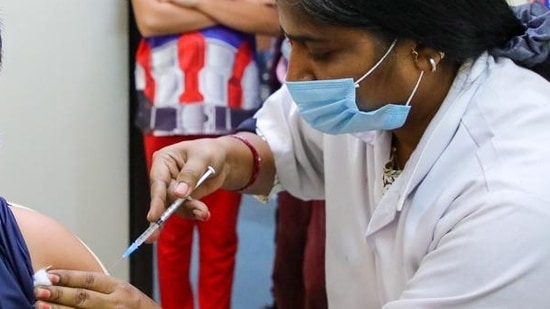
On April 1, 2021, India opened its Covid-19 vaccination programme for those above 45 years of age. On May 1, 2021, it was thrown open for all adults in the country. On May 28, 2021, the government said that it intended to vaccinate India’s entire adult population by December 31, 2021. While the drive has been a huge success, around 97% of the country’s estimated adult population of 940 million received at least one shot of the Covid-19 vaccine by
Nearly 18 million doses behind on boosters
With the December 31 goal nearing completion, coverage with booster shots should be India’s next target. The numbers on this front are not encouraging.
Not only is India’s coverage of boosters low (see Chart 1), even those eligible don’t appear to be rushing to take shots. The required gap for a booster dose in India is nine months or about 39 weeks. This means that all senior citizens and critical workers who were fully vaccinated by June 30, 2021, are now eligible for a third shot as of March 29 this year. As per data released by the health ministry, a little over 40.8 million people in these categories received both their shots as on June 30, 2021. This is 17.9 million in excess of the 22.9 million who received boosters as of March 29, 2022. This means that almost 44% of people who are eligible for boosters have not taken their third shot yet. If all adults were made eligible, then based on June 30 numbers, India would have 58.8 million people eligible for shots. So, if all adults were made eligible for shots today, then another 35.9 million people would be immediately made available for a third shot.
{{^htLoading}} {{/htLoading}} And government data shows there is certainly no shortage of supply, even if the booster base was expanded – as of Wednesday, a supply of 160.6 million doses is available with states, as per government data.
Boosters could revive stagnating vaccination numbers
{{^htLoading}} {{/htLoading}} Another reason why boosters should be expanded is reflected in the current pace of vaccination. The seven-day average of new doses administered was 2.76 million on March 29. The last time the country was consistently administering shots at this pace was in early June 2021 – weeks before the national immunisation programme picked up pace. To be sure, a drop in pace was always expected as the drive nears completion because the number of people who are yet to receive shots has shrunk considerably.
This low pace, however, is not only the result of high coverage or the gap between doses. For example, a quarter of 15-18 age groups has not received the first dose and 14.2 million eligible people have not received their boosters. Despite this, the pace of vaccination even in these categories has fallen since January. For example, at the current seven-day average of booster administration (0.12 million per day), it will take nearly four more months (118 days) to vaccinate just the 14.2 million people who were eligible but did not take their boosters by March 29.
{{^htLoading}} {{/htLoading}} Another important factor in play right now is the current state of the outbreak in the country.
For the week ended March 29, the seven-day average of daily cases in India is at 1,629 – the lowest in more than 22 months. The current situation offers the perfect opportunity alike to make a final push for expanded vaccination (particularly in boosters).
{{^htLoading}} {{/htLoading}} The experience over two years of a global outbreak has repeatedly shown that future waves are best tackled by decisive actions, taken by both people and the government, when there is a lull in daily infections – a fact made evident by how vaccination made sure India’s third wave experience was far easier than the second wave because of wider vaccination coverage. Offering additional protection in the form of booster shots right now may end up being the decisive factor in how India tackles any future wave that may come.
{{^htLoading}} {{/htLoading}}