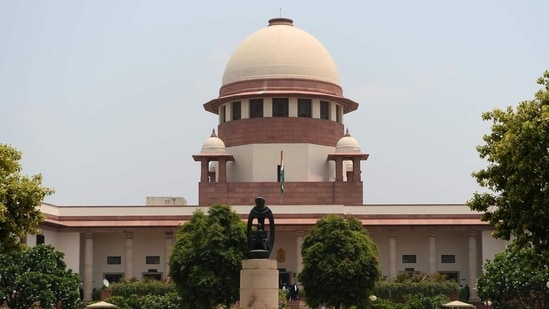
The Supreme Court bench hearing the NEET paper leak case on Wednesday sought clarity on the role of the Nandan Nilekani-led task force, which was constituted last month to overhaul India’s examination system.
While the K Radhakrishnan committee (set up in 2024) had focused substantially on NEET and strengthening the NTA, the Nilekani panel has a wider mandate covering the country’s examination ecosystem and the statutory framework of the NTA. Its recommendations are aimed at making the examination system “robust, secure, transparent, trustworthy and future-ready”, with emphasis on technologies such as AI and blockchain.
Also Read I 'Expert opinion must prevail’: Punjab, Haryana HC rejects NEET-UG answer key pleas
Shift to digitisation from pen-and-paper mode
Deep Dive
What are the main recommendations from the Radhakrishnan committee regarding NEET exam reforms?
Why did the Supreme Court emphasize the need for institutionalization of NEET exam reforms?
How is the NTA planning to enhance its testing infrastructure and security measures?
The court asked the Centre to place on record whether the Nilekani panel had modified or “nuanced” the recommendations of the Radhakrishnan committee and the stage of implementation of both sets of recommendations.
The petitioners pointed out that the Radhakrishnan committee had recommended moving towards computer-based testing and had identified the physical mode of examination as one of the weakest links in the supply chain because of the requirements of printing, transportation and storage.
{{/usCountry}}The petitioners pointed out that the Radhakrishnan committee had recommended moving towards computer-based testing and had identified the physical mode of examination as one of the weakest links in the supply chain because of the requirements of printing, transportation and storage.
{{/usCountry}}Also Read I SC to set up high-powered panel to probe allegations of police excesses during NEET protest
The Centre’s earlier affidavit had said that the decision on shifting NEET-UG from pen-and-paper mode to computer-based testing — whether in a single-stage or two-stage format — was under active consideration and would be taken after the benefit of the Nilekani task force’s recommendations.
Solicitor General Mehta told the court that the government was considering whether a human-based or purely digital system would be more foolproof. “Let the committee reflect on it and tell us,” the bench said.