Three years after the Pulwama terror strike, the QUAD foreign ministers joint statement singled out the 2008 Mumbai 26/11 and 2016 Pathankot airbase attacks for condemnation. The four QUAD partners strongly denounced the use of terrorist proxies for cross-border terrorism and demanded that perpetrators of terror attacks be brought to justice. The 26/11 terror strike was carried out by the proscribed Lashkar-e-Taiba (LeT) group and the Pathankot strike by Jaish-e-Mohammed (JeM) terrorist group. Both Punjab based groups have deep links with the Pakistani deep state with the sole objective of targeting India in the name of Kashmir and radicalizing the Indian hinterland through local proxies.
Also Read| Pakistan not cooperating, Pulwama probe stuck three years later
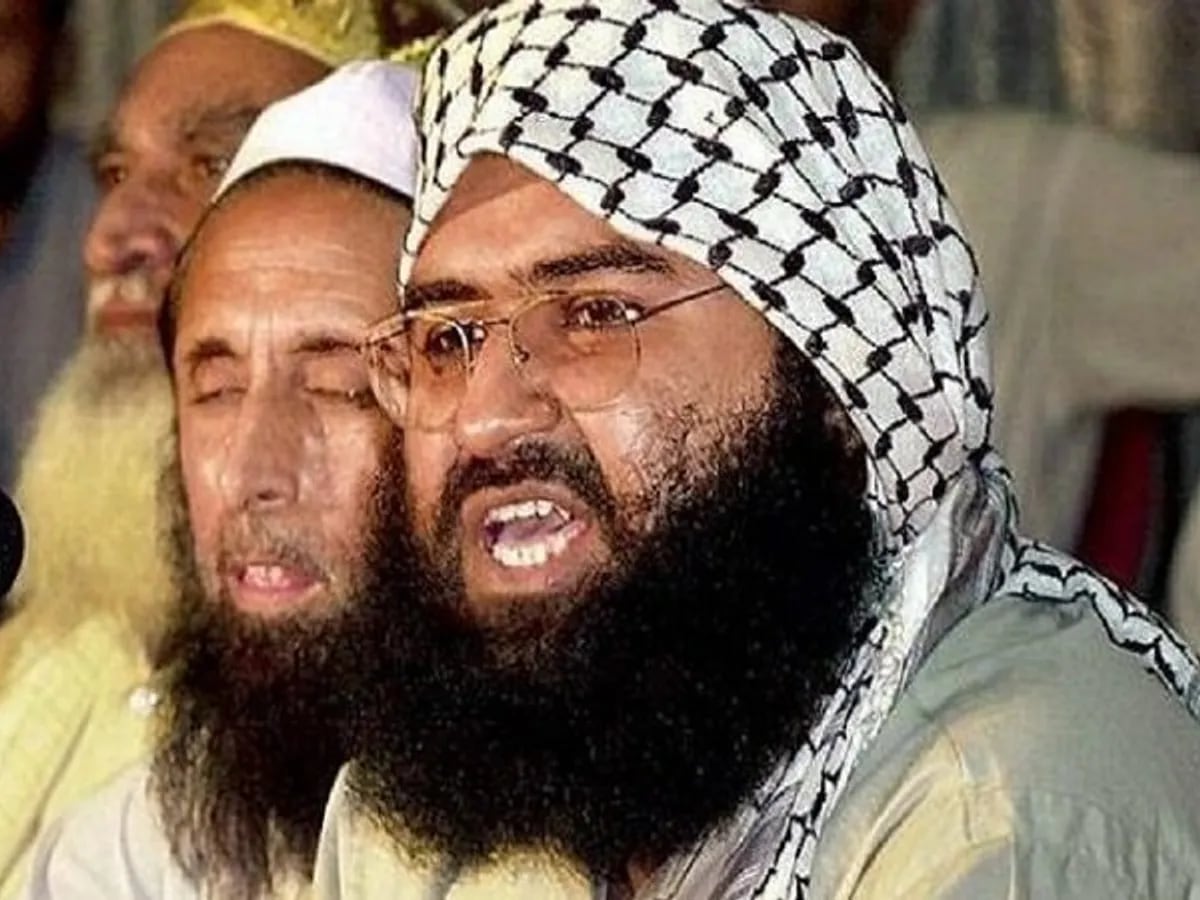
While the QUAD ministers refrained from naming Pakistan for Mumbai and Pathankot, Pulwama attack on February 14, 2019, was the last major attack mounted by JeM’s multinational terror factory run by Masood, Rauf and Ammar Alvi brothers in Bahawalpur in Pakistan. The attack led to the Narendra Modi government retaliating against JeM by obliterating its terror camp at Jaba Top in Balakot in Khyber Pakhtunkhwa, Pakistan on February 26, 2019. Although the exact number of terrorists killed at Balakot is not known, more than 300 religious radicals were sighted in the training camp a day before the attack based on high-resolution photographs taken within the camp.
Post Pulwama attack, the Indian security forces and the Jammu and Kashmir police got into action and to date, eight terrorists including the Pulwama suicide bomber have been neutralized, seven have been arrested and are facing trial in the NIA court in Jammu. Former Pulwama resident and now a Jaish operative based in Occupied Kashmir, Ashiq Nengroo, and the infamous Alvi brothers are still to face Indian justice.
{{/usCountry}}Post Pulwama attack, the Indian security forces and the Jammu and Kashmir police got into action and to date, eight terrorists including the Pulwama suicide bomber have been neutralized, seven have been arrested and are facing trial in the NIA court in Jammu. Former Pulwama resident and now a Jaish operative based in Occupied Kashmir, Ashiq Nengroo, and the infamous Alvi brothers are still to face Indian justice.
{{/usCountry}}Although the Modi government has kept the Pak based terrorist groups on its radar since 2014, the JeM and LeT terror factories are running full steam and are inspired by the path shown by the Taliban, who degraded and finally forced then US-led multinational forces to exit Afghanistan after two decades of fighting. Even though the Taliban is still to get a grip of Afghanistan, its mere rise has led to an increased confidence level of both Pak based and Indian local jihadists. Islamic radicalization is on the rise in the Indian sub-continent as well as other parts of the world.
Also Read| Pulwama attack anniversary: Top leaders pay homage to fallen CRPF personnel
Since its inception in the aftermath of the 1999 IC-814 hijacking to Kandahar in Taliban ruled Afghanistan, the JeM under Masood Azhar has been relentless in targeting India with major attacks on Parliament in 2001 and Ramjanambhoomi temple at Ayodhya in 2005. Had the attack on the Ayodhya temple been successful, it would have led to huge communal conflagration and torn the societal fabric. This is precisely the aim of the Pakistani deep state and production targets of running terror factories in Muridke, Lahore and in Bahawalpur.
Till such time terrorists like Masood Azhar and Hafiz Saeed are alive and their family empires are running with the support of Rawalpindi, India will continue to remain vulnerable to terror strikes as Pakistan just has nothing to lose in its quest to put India down. Increased radicalization of Indian Muslims on basis of religious and political issues apart from insecurity will prepare more recruits for these groups to exploit as it is a win-win situation for them due to a growing army of recruits. For the Alvi brothers, Pulwama is just another milestone on the jihad road. India is not safe till terror leaders are thriving in Pakistan.