
 E-Paper



Trade Marks clears ‘CHUTIYARAM’ mark for namkeen brand, then withdraws: Report
Two weeks ago, the mark was initially accepted, triggering a debate among intellectual property law practitioners.

 Prefer HTon Google


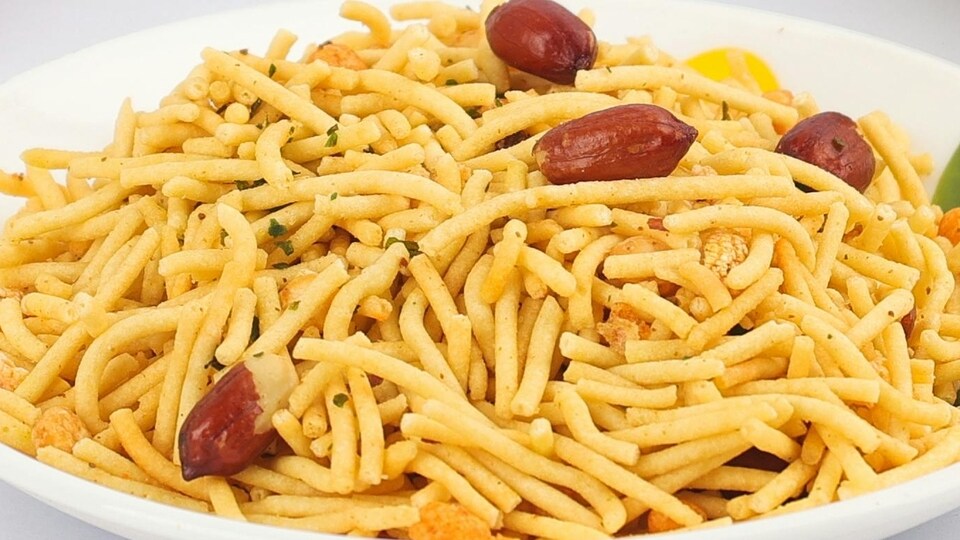
The Trade Marks Registry has withdrawn its acceptance of an application for the registration of the mark ‘CHUTIYARAM’ for the Namkeen and biscuits brand.
According to a report by the legal website Bar and Bench, the registry claimed that the mark had been accepted “in error” and was subject to objections under Sections 9 and 11 of the Act.
HT cannot independently verify this information.
The order issued by the Trade Marks Registry stated that the registration of the mark did not meet the criteria for registration under Section 9/11 of the Trade Marks Act, 1999.
"Therefore, the Registrar proposes to withdraw the acceptance pursuant to Section 19 of the Act, read with Rule 38 of the Trade Marks Rules, 2017, and has scheduled a hearing regarding the application," Bar and Bench quoted the order as saying.
Two weeks ago, the mark was initially accepted, triggering a debate among intellectual property law practitioners, who questioned the review process and legal implications of registering “potentially offensive terms”.
ALSO READ: HC backs Audi ‘Q6’ trademark registration, questions rationale behind rejection
According to the report, the examiner had observed that the mark was a combination of two arbitrary words ‘Chuti’ and ‘Ram,’ and concluded that as a whole, it is distinctive and can be distinguished from other trademarks.
The order further noted that the mark bore no direct reference to the applied goods, i.e. namkeen and biscuits. The objections under Section 9(1) were waived, leading to its acceptance.
ALSO READ: HC stays ₹4.5 cr trademark infringement fine on Patanjali Ayurved
According to the Bar and Bench report, there were questions raised as to how the mark bypassed the scrutiny under Section 9(2)(c) of the Trade Marks Act, prohibiting the registration of trademarks that are “scandalous, obscene, or against public morality.”
Mark accepted despite no representation for four hearings
The initial order also noted that the mark was accepted despite no representation for four hearings.
According to the Indian trademark law, registering expletives or offensive words as trademarks is prohibited.
Section 9(2)(c) of the Trade Marks Act, 1999, specifically bars trademarks that are considered “scandalous, obscene, or contrary to public morality”.


