E-Paper



Trump backs skilled immigration, softens position on H-1B visa
In September, Trump announced a new $100,000 H-1B visa application fee which was designed to make it uneconomical for US businesses to hire all but the highest-paid skilled foreign workers

 Prefer HTon Google


US President Donald Trump defended skilled immigration to the United States, including through the H-1B visa programme, despite a raft of efforts from his administration to restrict access to the sought-after visa scheme. In a television interview on Tuesday, Trump argued that the US did not have enough domestic talent to fill specialised positions.
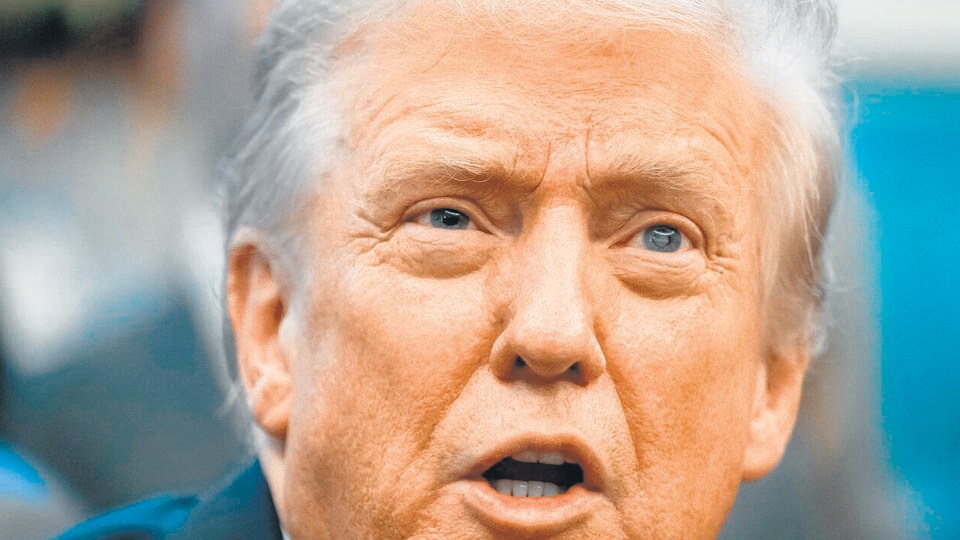
“I agree, but you also do have to bring in talent,” he said in response to a question about foreign talent on H-1B visas reducing wages for domestic workers.
Pressed on whether America had the required skilled talent at home, Trump said: “No, you don’t, no you don’t. You don’t have certain talents and people have to learn. You can’t take people off an unemployment line and say, ‘I’m going to put you into a factory where we’re going to make missiles.”
Trump’s statement comes even as his administration has taken steps to restrict access to H-1B visas. In September, Trump announced a new $100,000 H-1B visa application fee which was designed to make it uneconomical for US businesses to hire all but the highest-paid skilled foreign workers. The Trump administration stated that “systemic abuse” of the visa system had become a “national security threat” to the United States. These announcements held significant ramifications for Indian professionals, who have used H-1B visas to work in the United States before transitioning to permanent residency and naturalisation. Over 70% of approved H-1B visa petitions also went to Indian nationals, who would be disproportionately impacted by restrictions to the programme.
The US government is considering further changes to the H-1B visa programme, including plans to raise wage eligibility levels for foreign workers and to prioritise highly paid professionals in the visa lottery. These changes would make it more difficult for entry-level workers, including recent college graduates, to gain sponsorship for an H-1B visa. The Trump administration also launched Operation Firewall, an enforcement effort to crack down on fraud and misuse of the H-1B programme.
Prominent US politicians - including Vice President JD Vance and Florida Governor Ron DeSantis - have criticised the programme. DeSantis, who is expected to make a run for the Presidency in 2028, has directed his state’s university system to stop using H-1B visas. Bipartisan legislation recently introduced in the United States Senate proposes further tightening of access to the visa programme.
As such, Trump’s statement on the need for skilled immigration is a shift in tone for the administration. In his interview, Trump also distanced himself from a controversial immigration raid which detained hundreds of South Korean workers helping establish a battery factory in Georgia.
Last month, his administration announced a significant relaxation to the $100,000 visa application fee when it clarified that foreign students switching from an F1 student visa to an H-1B would not have to pay the new fee. US Citizenship and Immigration Services stated on its website that the new H-1B visa fee only applies to H-1B petitions involving individuals outside the United States.