E-Paper



West Bengal communal violence: India rejects Bangladesh official’s remarks
Violence rocked four towns and adjacent rural areas in Murshidabad in West Bengal for five days when protests by Muslims against the Waqf (Amendment) Act spiralled into communal attacks

 Prefer HTon Google


India on Friday rejected remarks by a Bangladeshi official regarding violence in West Bengal and asked Bangladesh to focus on protecting the rights of its minorities.
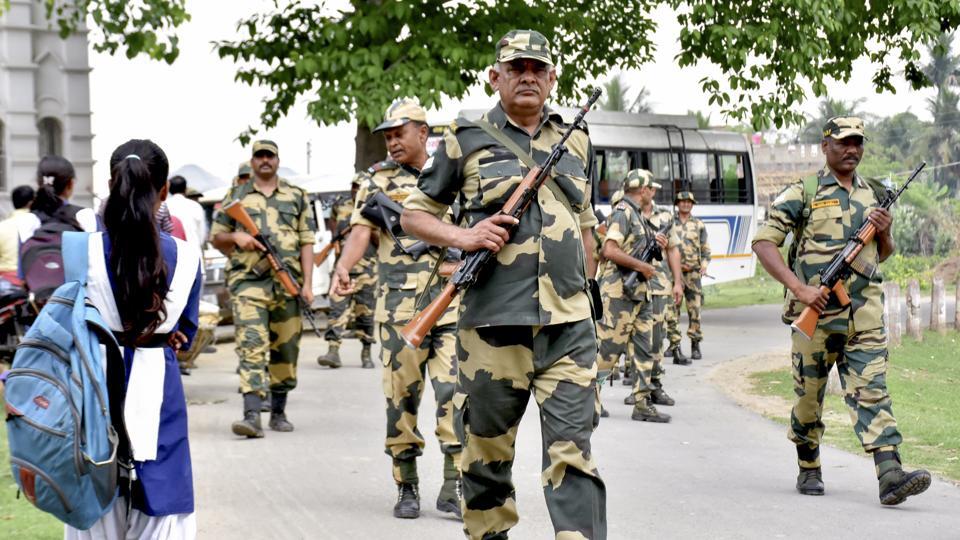
The spokesperson for the Bangladesh interim government chief, Muhammad Yunus, on Thursday condemned attacks on Muslims in West Bengal and asked the Indian government to “fully protect the minority Muslim population”.
Responding to these remarks, external affairs ministry spokesperson Randhir Jaiswal said: “We reject the remarks made by the Bangladesh side with regard to the incidents in West Bengal.” He added: “Instead of making unwarranted comments and indulging in virtue signalling, Bangladesh would do better to focus on protecting the rights of its own minorities.”
Jaiswal described the remarks by Yunus’s spokesperson as a “barely disguised and disingenuous attempt to draw a parallel with India’s concerns over the ongoing persecution of minorities in Bangladesh, where the criminal perpetrators of such acts continue to roam free”.
India-Bangladesh relations have been in free fall since the caretaker government led by Yunus assumed office after former premier Sheikh Hasina was ousted by student-led protests last August. The two sides have repeatedly clashed over Dhaka’s handling of the repression of Bangladesh’s Hindus, with New Delhi calling for steps to protect the minority.
On Thursday, Yunus’s spokesperson Shafiqul Alam issued a statement that refuted attempts to “implicate Bangladesh in the communal violence” in West Bengal. “We condemn attacks on Muslims causing loss of lives and properties. We urge the government of India and West Bengal to take all steps to fully protect the minority Muslim population,” he said.
Violence rocked four towns and adjacent rural areas in Murshidabad in West Bengal for five days when protests by Muslims against the Waqf (Amendment) Act spiralled into communal attacks. The violence left three people dead, including two Hindu men who were killed by a mob, and a Muslim man who died in the firing by security forces.