Several parts of north, central and northeast India are simmering with the maximum temperature breaching 40 degrees indicating heat wave conditions setting in. What happens to the body in such conditions?
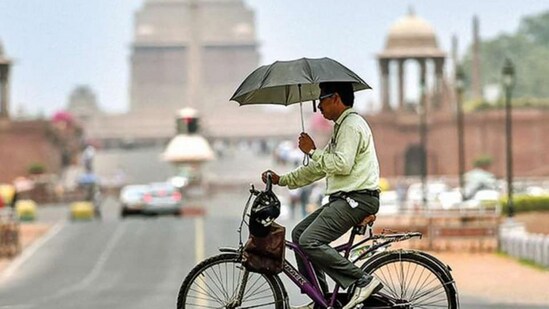
Heat-related health problems range from minor things like heat rashes and cramps to more serious issues like dehydration, exhaustion and heat strokes. Heat exhaustion symptoms include weak and rapid pulse, low blood pressure, headache, nausea, and dizziness. If you have these symptoms, do not waste time in seeing a
Several parts of north, central and northeast India are simmering with the maximum temperature breaching 40 degrees indicating heat wave conditions setting in. What happens to the body in such conditions?
Heat-related health problems range from minor things like heat rashes and cramps to more serious issues like dehydration, exhaustion and heat strokes. Heat exhaustion symptoms include weak and rapid pulse, low blood pressure, headache, nausea, and dizziness. If you have these symptoms, do not waste time in seeing a doctor.
Heat stroke, however, can be fatal.
Under normal physiologic conditions, heat gain is counteracted by a commensurate heat loss, and the hypothalamus—a region in the brain— acts as a thermostat, maintaining the relevant body temperature. Thermosensors located in the skin, muscles, and spinal cord sense the rise temperature and inform the hypothalamus for it to direct the body to take physiological countermeasures, like an increase in cardiac output and blood flow to the skin to transfer heat to the environment.
At high ambient temperatures, evaporation – through sweating – becomes the most effective mechanism of heat loss from the body. Effective heat loss thus depends on the condition of the skin, sweat glands and lung function, besides ambient temperature, humidity and air movement.
If any one of these things is affected, our ability to cool down is hampered. For instance, ambient humidity above 75% means our sweat won’t evaporate as fast as it should and this could be potentially dangerous to us. If the heat gain beats the body's mechanisms of heat loss, the body temperature rises and we aren’t able to cool off by sweating. This leads to severe dehydration and eventually, a potential heat stroke.
If the body temperature rises up to 104 degrees Fahrenheit (40 degrees Celsius) and above and countermeasures are not taken in time, one of several symptoms could manifest: the skin could develop a burning sensation, the pulse could turn rapid and strong, or the person may develop a throbbing headache, dizziness, nausea and disorientation. Prolonged exposure to this heat also affects the body’s cooling mechanism, and the person is no longer able to sweat to dissipate the heat.
Experts point out that two kinds of heat strokes can occur — exertional and non-exertional. The latter usually occurs over several days due to exposure to heat wave conditions, whereas the former happens in a matter of a few hours especially if a person is performing strenuous physical activity in hot and humid conditions.
However, the exact temperature at which cardiovascular collapse occurs varies among individuals, as it depends on coexisting disease, drugs, and other factors that may contribute to or delay organ dysfunction.
Elderly people who are above 65 years of age, young children, obese people and those with underlying medical conditions such as high blood pressure and diabetes are at a higher risk of collapsing.
“Patients with skin diseases and those taking medications that interfere with sweating also are at increased risk for heat stroke, because they are unable to dissipate heat adequately,” an article published on MedScape reads.
The redistribution of blood flow — the heart tries to send blood to the working muscles more than the organs to help provide the energy needed to cool down through sweating — coupled with the loss of fluids and electrolytes due to sweating, place a tremendous burden on the heart. This may ultimately fail to maintain an adequate cardiac output, “leading to additional morbidity and mortality,” researchers of the article explained.
A Lancet study said that India saw a 55% increase in deaths due to extreme heat between 2000-2004 and 2017-2021.
"Exposure to extreme heat affects health directly, exacerbating underlying conditions such as cardiovascular and respiratory disease, and causing heat stroke, adverse pregnancy outcomes, worsened sleep patterns, poor mental health, and increased injury-related death," said The Lancet study released last year.
According to experts, while heat stroke is a medical emergency, loss of life can be prevented if measures to counter the excessive heat exposure are taken in time.
“If a heat stroke is suspected, then the person should be taken to a doctor or hospital as quickly as possible. It’s also important to make sure the affected person is brought into shade; put under cold shower or wet towel is placed on the person’s head, neck, feet, and palms to bring the temperature down,” said Dr Rommel Tickoo, director, internal medicine, Max Super-specialty Hospital, Saket.
Doctors also advise avoiding direct sun exposure, especially during peak hours.
“It is best to avoid the sun between 11am and 4pm. But if you must step out then drink at least a couple of glasses of water immediately before you leave home. Carry a water bottle and keep sipping a glass of water every hour. To replenish lost salts and minerals, take buttermilk, coconut water or lime water,” he added.
One Subscription.
Get 360° coverage—from daily headlines
to 100 year archives.
Archives
HT App & Website