
 E-Paper



'Travel curbs not needed': WHO reacts as India reports Nipah virus cases
This comes after several Asian countries stepped up checks on people arriving in their territories for signs of the virus.

 Prefer HTon Google


The World Health Organization (WHO) said on Friday that the Nipah virus outbreak in India has a ‘low risk’ of spreading and that there is no need for travel or trade restrictions after the country reported two cases of the virus infection.
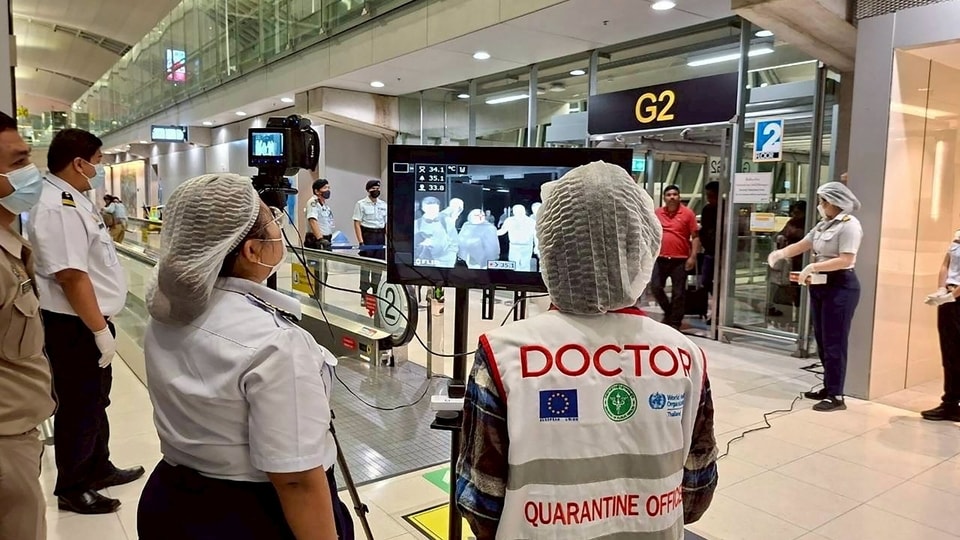
This comes after several Asian countries stepped up checks on people arriving in their territories for signs of the virus.
ALSO READ | Explained: What is Nipah virus and how dangerous is it? All you need to know
WHO flags Nipah virus as ‘low risk’
In an update shared on its website, the global health agency said that there is no evidence of increased human-to-human transmission and that the “national, regional, and global risk remains low”.
The two cases were reported in North 24 Parganas district of West Bengal. WHO said the cases are limited to the district and that there was no travel reported while the patients were showing symptoms.
“The likelihood of spread to other Indian states or internationally is considered low,” it said.
Based on the information it reviewed, the agency said it does not advise any limits on travel or trade.
What is Nipah virus?
Nipah virus is a zoonotic illness that mainly spreads from bats to humans. This can happen through contaminated food or close contact, the global health agency said.
The virus can lead to fever and swelling of the brain, and the death rate is estimated to be between 40% and 75%.
It can pass from person to person, but it does not spread easily and usually needs close and prolonged contact.
What are the symptoms of Nipah virus?
Early signs of Nipah, such as fever, headaches and muscle pain, are not specific and can be mistaken for other illnesses.
These may later be followed by nerve-related symptoms that point to acute encephalitis, or inflammation of the brain. Some patients also develop serious breathing problems.
In severe cases, seizures can occur and may lead to a coma within days. Most people who recover regain full health, but some are left with lasting neurological issues.
Are vaccines or treatments available?
At present, there are no approved vaccines or treatments for Nipah.
However, several options are being tested, including one developed by scientists at Oxford University who were involved in creating one of the COVID-19 vaccines.
With inputs from agencies


