Amid growing impression about differences between the executive and the judiciary, especially in the backdrop of the Centre’s successful push for the national judicial appointment commission bill (NJAC) in Parliament, Union minister of law & justice, Ravi Shankar Prasad avers that the government remains committed to an independent judiciary.
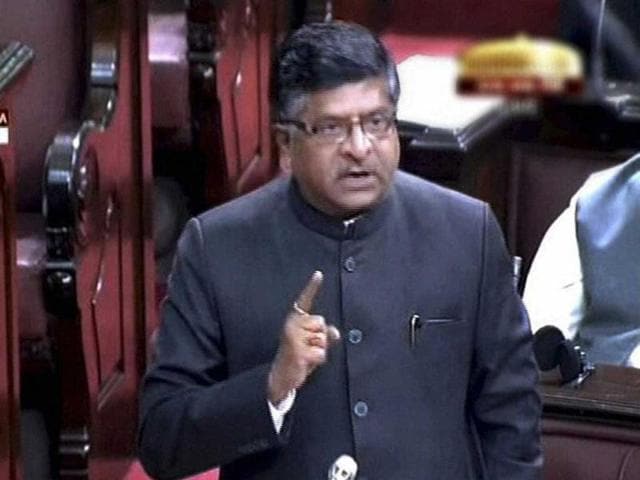
In an interview to HT, he also unveils his plans for further judicial reforms. Excerpts:
The executive-versus-judiciary debate that started during the UPA-II regime does not seem to end. There is an impression that you are trying to take on the judiciary…
Not at all. Independence of the judiciary is sacred and sacrosanct for us. Many members of this government had their baptism in the JP movement in the 1970s. They suffered imprisonment during the Emergency in their fight for individual freedom, independence of judiciary and freedom of the media.
The Chief Justice of India had come out strongly in support of the collegium system. The judiciary obviously had strong reservation against the NJAC. Why were you in such haste to replace the system?
There is nothing like that. The NJAC Bill is the culmination of 24 years of efforts. There have been at least four attempts in the past to amend it (collegium system of appointment). There have been six committee reports — from Venkatachaliah’s to that of the parliamentary standing committee — recommending it. What is important is that both the Houses supported it unanimously.
{{/usCountry}}There is nothing like that. The NJAC Bill is the culmination of 24 years of efforts. There have been at least four attempts in the past to amend it (collegium system of appointment). There have been six committee reports — from Venkatachaliah’s to that of the parliamentary standing committee — recommending it. What is important is that both the Houses supported it unanimously.
{{/usCountry}}The SC on Monday refused to entertain PILs against the NJAC calling it “premature” but it is open to re-visiting the issue after the legislative process is completed. How do you view it?
I don’t want to comment on it. Everyone has the right to go to the court. The legislative process is still on.
What next after the NJAC?
We want a data bank of the performance of young lawyers so that the best talents can be considered for appointment as judges. Our focus now is on digitisation of courts, infrastructure support, filling up vacancies on a priority basis, fast-tracking negotiable instruments cases (about 22 lakh pending) and traffic violation cases (about 18 lakh), which have been clogging the courts. There will be institutional changes in arbitration proceedings as recommended by the law commission.