The spectacular terror attack in Mumbai five years ago that held the bustling city under siege for more than three days was planned and plotted to lift the spirits of the Lashkar-e-Taiba cadre. Ten suicide bombers were trained to undertake the long sea journey, hold hostages and inflict maximum damage on India’s financial nerve centre.
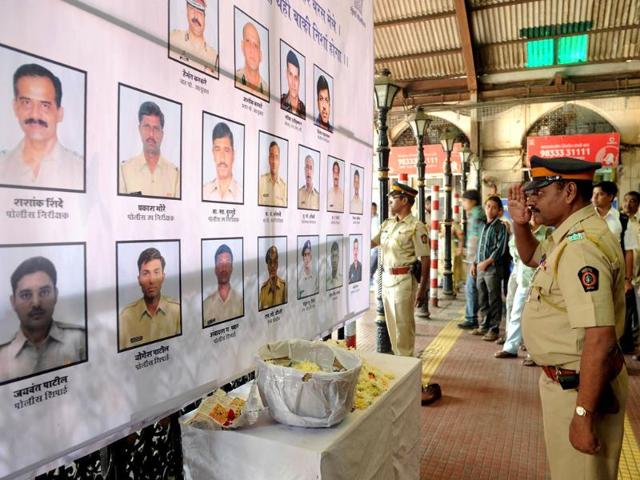
Apart from the havoc they wreaked at multiple locations in the city of dreams, the attacks were central to the Lashkar’s own survival as the ‘Army of the Pure’, the literal meaning of the outfit. Key conspirator David Coleman Headley alias Daood Geelani would reveal to officials from the National Investigation Agency (NIA), three years later, that the senior leadership of the LeT was having problems holding on to their cadre.
Headley, who made several trips to Mumbai to videograph the key locations which were finally targeted on 26/11, was at one point, also willing to shift to al Qaeda.
An NIA document that contains extracts from his confession reveals that a year before the Mumbai terror attacks, Headley had dinner with LeT’s military chief Zaki-ur-Rehaman Lakhvi in Muzaffarabad.
That was the time, Headley says, "My country, Pakistan, was undergoing an identity crisis in the wake of the happenings in Afghanistan and FATA areas of Pakistan. A debate had begun among the outfits whether to fight in Kashmir or in Afghanistan. The 'clash of ideology' led to splits in many of the outfits. The decision of Abdur Rehman… to split from LeT and fight in Afghanistan was part of this trend. Zaki had a serious problem in holding the LeT and convincing them to fight for Kashmir and against India."
{{/usCountry}}That was the time, Headley says, "My country, Pakistan, was undergoing an identity crisis in the wake of the happenings in Afghanistan and FATA areas of Pakistan. A debate had begun among the outfits whether to fight in Kashmir or in Afghanistan. The 'clash of ideology' led to splits in many of the outfits. The decision of Abdur Rehman… to split from LeT and fight in Afghanistan was part of this trend. Zaki had a serious problem in holding the LeT and convincing them to fight for Kashmir and against India."
{{/usCountry}}The most chilling line in Headley’s confession, reads, "I understand this compelled the LeT to consider a spectacular terrorist strike in India… this accelerated the Mumbai attack project. Earlier, it was a limited plan to attack only Taj Hotel in Mumbai with a couple of attackers like it used to happen earlier. But now it seemed to be a grand plan of LeT to strike Mumbai at multiple locations with multiple attackers.”
Five years after the terrorist strike, the Lashkar has not lost sight of its enemy. India remains that enemy.
Two weeks after the Mumbai attack, I had the occasion to visit the Lashkar’s headquarter in Muridke, a small town on the outskirts of Lahore. Ajmal Kasab – the lone LeT terrorist caught alive and later hanged – had told his interrogators that he had initially been trained in Muridke. While there, when I asked my handlers – one of whom was the son-in-law of Lashkar chief Hafiz Saeed – they made no effort to distance themselves from Kasab. When asked if they considered India their enemy, the response was a swift and straight forward, "Without doubt."
Watch: Kasab's confession
Five years later, India’s security apparatus continues to prepare for the threat from Lashkar. At the conference of director generals of police, three days short of the fifth anniversary of the Mumbai attack, the only group Prime Minister Manmohan Singh mentioned in his speech was the LeT.
"Resurgence of terrorist groups, particularly Lashkar-e-Taiba and increased infiltration attempts call for heightened vigil and coordination by our security forces," he said in a reiteration of the threat from the LeT. The Lashkar hit hard when it was down and on the verge of a split. Today, it can hit even harder.