The leopard count has gone up by 31.5% in Jhalana forest area of Jaipur, shows the recent Waterhole Census-2018. The census figure revealed that from 19 in 2017, the leopard population has gone up to 25 in 2018.
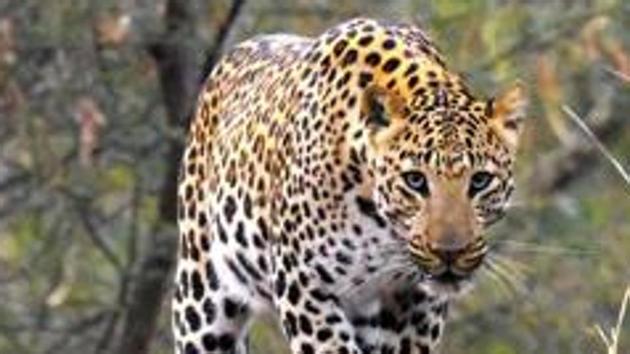
The annual waterhole census is conducted on every Buddha Purnima (April 30). Under the census, the forest department monitors 30 water bodies of Jhalana and Galta forest block for 24 hours.
According to forest department figures, the leopard count is showing an increase every year from eight in 2014 to 13 in 2015 and 12 (2016). In addition to leopards, the langur count, too, has gone up from 445 in 2017 to 465 this year.
Deputy conservator of forest, Jaipur, Sudharshan Sharma said that the census has shown an increase in the leopard population. “The biotic pressure has been reduced by constructing a wall and effective monitoring.”
Rajasthan is the first state in the country to launch a project to conserve leopards by improving their prey base, mitigating conflicts with humans and controlling poaching. The project was launched in March 2017.
The other species which are part of the census are jackals, hyena, porcupine, cheetal and blue bull. The jackal population has, however, recorded a decline– from 49 in 2017; the number has gone down to 34 in 2018. Similarly, the count of hyenas to is going down — from 15 in 2015, it has come down to five in 2017 and 2018.
{{/usCountry}}The other species which are part of the census are jackals, hyena, porcupine, cheetal and blue bull. The jackal population has, however, recorded a decline– from 49 in 2017; the number has gone down to 34 in 2018. Similarly, the count of hyenas to is going down — from 15 in 2015, it has come down to five in 2017 and 2018.
{{/usCountry}}The porcupine population this year was 16, one down from last year’s 17. The cheetal count increased from 12 in 2017 to 14.
A department official, on the condition of anonymity, said that the waterhole census or any other method to assess the wildlife population is not accurate. It, however, shows the trend and gives a rough estimate.
“The next priority is increasing the prey base in the Jaipur forest area – cheetal, wildbore and spotted dear,” said the official.
There are 508 leopards in Rajasthan, with their maximum population in Kumbalgarh (95). The animal is also found in Mount Abu (46), Sita Mata (40), Todgarh Raoli (35) and Panther Conservation Reserve, Sumerpur (28).