A warmer winter has affected rabi crops in the state, leaving thousands of farmers worried as experts warn of drop in agriculture production.
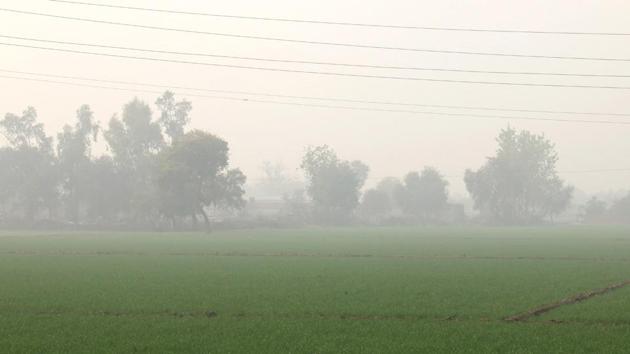
Famers fear fall in out of rabi crops – mainly wheat, barley, gram and mustard – grown on 5,96,822 hectares in Bharatpur, Dholpur, Karauli, Sawai Madhopur, and Alwar districts. Wheat is the staple food in Rajasthan.
“We have been facing lack of water for our crops, but warm temperature made us worried. High temperature can ruin wheat, barley, and gram crops,” said Sunil Singh, a farmer from Rupwas tehsil in Bharatpur district.
“My wheat and mustard crops are not growing because of clear skies and strong sunlight. We are worried over warm temperature in the winter season,” said Lakhan Singh, a farmer of Hingoli village under Kumher sub-division in Bharatpur.
A minimum temperature of 5 degree Celsius and a maximum of 15 are conducive for the growth of wheat crop; higher temperatures will harm the crop, said Yogesh Sharma, joint director of the agriculture department (Bharatpur range).
“Wheat, barley, gram, and mustard plants need temperature below 15 degree Celsius during daytime and around 5 degree Celsius at night; but maximum temperature crossed 20 degree Celsius in the last few days and this may be harmful for crops,” agriculture department deputy director Deshraj Singh said on Friday.
According to the meteorological department of the directorate of rapeseed mustard research at Sewar, the maximum and minimum temperatures were recorded at 18.7-8.60 degrees Celsius on January 2, at 22.4-8.6 on January 3, at 20-9.4 on January 4, and at 25-8 on January 5.
{{/usCountry}}According to the meteorological department of the directorate of rapeseed mustard research at Sewar, the maximum and minimum temperatures were recorded at 18.7-8.60 degrees Celsius on January 2, at 22.4-8.6 on January 3, at 20-9.4 on January 4, and at 25-8 on January 5.
{{/usCountry}}Warmer winter interrupts life cycle of rabi crops, resulting in low production. The fall in production, the experts fear, could lead to distress among farmers and contribute to inflation in food grain, pulses and oilseeds.
Bharatpur district produces 3.50 lakh tonnes of mustard on 2.10 lakh hectares. Of the 5,070,73 hectares of agriculture land in the district, nearly 3,90,313 hectares have been affected by salinity.