The death of six wolves in Nahargarh Biological Park, Jaipur, under mysterious circumstance over the past few months has become a cause for concern. The authorities are still clueless about the cause of death. While four wolves have died since April, two more died last month.
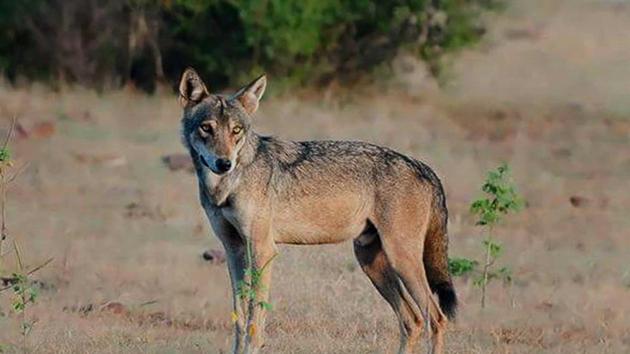
If the deaths continue, it could impact the exchange programme that enables the forest department to bring other wildlife animals including panther, lion and bear from other zoos to the country in exchange of wolves.
While the post-mortem has not revealed anything unusual, the zoo authorities want to rule out the possibility of contagious infection among the animals.
“We have sent blood samples to IVRI (Indian Veterinary Research Institute) lab in Bareilly for testing and the report is expected within 15 days,” said DCF (wildlife zoo) Jaipur Sudershan Sharma. He, however, said that there was no danger of derailment of the exchange programme. “At present, we still have three female and four male wolves for exchange, apart from the ones on display at the Park,” he added.
The Park is awaiting new members from Chandigarh zoo under the exchange programme that include a pair of Barasingha (swamp deer), a spot-billed duck and a pheasant. While the Central Zoo authority has given permission for exchange of birds and animals from Chandigarh zoo, other animals and birds are also to be exchanged from different zoos across the country.
{{/usCountry}}The Park is awaiting new members from Chandigarh zoo under the exchange programme that include a pair of Barasingha (swamp deer), a spot-billed duck and a pheasant. While the Central Zoo authority has given permission for exchange of birds and animals from Chandigarh zoo, other animals and birds are also to be exchanged from different zoos across the country.
{{/usCountry}}Ever since the Park was inaugurated last year, most animals from the old Jaipur zoo have been relocated to Nahargarh. A few animals left at the old zoo including wolves and deer are also proposed to be relocated.
Nahargarh Biological Park, a part of the Nahargarh sanctuary is located about 12 km from Jaipur on the Jaipur-Delhi highway. Spanning across 720 hectares, it is famous for its rich flora and fauna and doubles up as a place for education and research. It is home to more than 285 species of birds and houses animals like Asiatic lions, Bengal tigers, panthers, hyenas, wolves, deer, crocodiles, sloth bear and wild boar.