
 E-Paper



Kerala decides not to implement amendment to Police Act after widespread protests
The government reiterated that the amendment was meant to check online hate crimes against women and children, but a majority of its critics said it seemed like a ploy to silence dissenting voices


Amid widespread criticism, the Communist Party of India (Marxist)-led Kerala government on Monday decided not to implement the amendment to the Kerala Police Act, which mandates jail time and fine for any cyber abuse or offensive post.
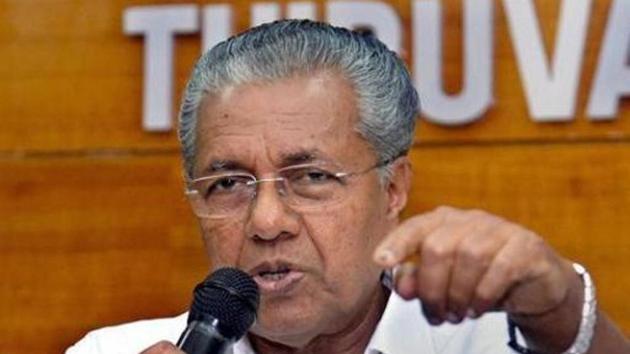
In a brief statement, chief minister Pinarayi Vijayan, the main architect of the ordinance, said it was the duty of the government to respect the concerns expressed by various quarters. “We have been forced to bring such an amendment in view of growing cyber attacks against women and children. After concerns expressed by various quarters, we have decided not to go ahead with it. Further action will be taken after a detailed debate in the assembly,” said the chief minister. In the statement, he conceded that even pro-Left supporters expressed serious reservations over the amendment.
The new clause, 118(A), was inserted in the Kerala Police Act (amendment) ordinance issued on November 21. According to the amendment, any person who creates or sends any information that is offensive or intended to offend or threaten another person through any means of communication is liable to face imprisonment of three years or a fine of Rs10,000 or both.
Also Read: New amendment made to Kerala Police Act won’t be used against free speech: Pinarayi Vijayan
The government reiterated that the amendment was meant to check online hate crimes against women and children, but a majority of its critics said it seemed like a ploy to silence dissenting voices.
The chief minister’s office later directed the director general of police to not register cases under the new amendment. But legal experts said since it had already been made a law, the governor will have to promulgate an ordinance or order to withdraw it as per the advice of the Cabinet. “Unless it is withdrawn, it will remain a law. The governor will have to promulgate another order to nullify it,” said Supreme Court lawyer MR Abhilash. The government is likely approach the governor in a day to two regarding this, said a senior government official. The Raj Bhavan is yet to react to the latest development.
Political observers said it was a major setback to the chief minister and governor Arif Mohammad Khan, who signed the ordinance on Saturday, triggering a nationwide debate. Earlier in the day, Communist Party of India (Marxist) or CPI(M) general secretary Sitaram Yechury also expressed his reservations and made it clear that the amendment won’t be implemented in the present form. Party insiders said the central leadership has sought major changes, but the state unit thought it proper not to implement it.
“It is the part of democracy to take corrective steps in case of any mistakes. By deciding not to implement the amendment, the government has upheld the high democratic tradition,” said state party secretary A Vijayaraghavan.
Earlier, the Congress and BJP had announced their plans to challenge the ordinance in the high court. “It was a clear violation of fundamental rights. With the new ordinance to muzzle criticism, the party has exposed its true colour. Despite major setbacks, the chief minister is saying it can be discussed in the assembly,” said opposition leader Ramesh Chennithala, seeking a complete withdrawal of the amendment.
Netizens, journalists and civil rights activists said that the ordinance covers any means of offensive communication or criticism on any platform, not just social media, and they fear it can be used to target opponents and trap the innocent.
The amendment also empowers the police to initiate a case suo moto and arrest a suspect. The police can slap criminal charges on citizens by interpreting any communication through any medium as defamatory.


