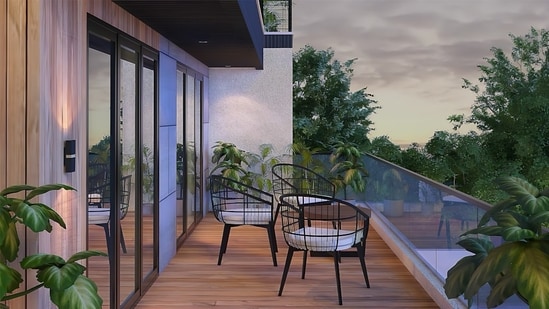
Outdoor spaces are becoming an important part of how we experience our homes. A shaded garden for morning coffee, a pathway for an evening walk, or a courtyard for children can change how a residential property is used. For many homeowners, these spaces are also becoming places to relax, spend time with family and take a break from the pace of everyday life. In India, these spaces also have to deal with intense summer heat, heavy monsoons and dust. In an interview with HT Lifestyle, Rohana Sarah, founder and CEO of Green World, shared five changes that can make a difference.
Also read | From clutter-free spaces to layered lighting: 4 hotel-inspired decor ideas for a peaceful home
1. Design shade around everyday life
Rohana highlighted that shade is one of the simplest ways to make a garden more comfortable during warmer months. Landscape elements like trees, pergolas, covered seating, and pathway orientation can create cooler places for spending time outdoors. In larger residential communities, design elements like shaded routes can make commutes to common spaces more pleasant.
2. Choose materials that can live with the climate
Outdoor materials need to cope with strong sun, dust, humidity and heavy rain. “Natural stone, treated timber and durable metals can work well when suited to local conditions,” said Rohana. Flooring needs particular care. A surface that becomes very hot in summer or slippery after rain can discourage people from using an outdoor space. How a material will age should be part of the decision from the beginning.
3. Design for rain before the monsoon arrives
{{/usCountry}}Outdoor materials need to cope with strong sun, dust, humidity and heavy rain. “Natural stone, treated timber and durable metals can work well when suited to local conditions,” said Rohana. Flooring needs particular care. A surface that becomes very hot in summer or slippery after rain can discourage people from using an outdoor space. How a material will age should be part of the decision from the beginning.
3. Design for rain before the monsoon arrives
{{/usCountry}}According to Rohana, heavy monsoon rainfall coupled with poorly planned drainage can leave common spaces difficult to use. Smart landscape design in larger residential communities can help manage heavy rainfall through design interventions like ground slopes, drainage, permeable surfaces and planting.
4. Plant for the climate and the experience
Plant selection needs to reflect the conditions of the property. Sunlight, soil, water availability and local weather all influence how well a planting scheme will perform, along with the maintenance one can manage. “In general, a well-planned planting palette with native and climate-adapted plants can make a landscape easier to sustain,” said Rohana.
5. Plan outdoor spaces as an extension of our lifestyle
Rohana highlighted that outdoor spaces with thoughtful landscapes can become an experiential place where residents can enjoy quality personal time. In larger residential developments, landscape design can connect these experiences through pathways, gardens, play areas, courtyards, and shared spaces.