E-Paper



In 1941, Henry Ford unveiled a car with crop-based body panels; his unusual experiment put plant materials on the road
Henry Ford's 1941 plastic car was unveiled at a Michigan festival. Oregon State researchers revisited his plant-based ideas for fuel and materials.

 Prefer HTon Google


Imagine that the body of your car was cultivated on a farm. At the 1941 Dearborn Days, the yearly local festival, Henry Ford had an opportunity to provide his own version. The Henry Ford Museum says he displayed a plastic car there on August 13, 1941. The vehicle became known as the soybean car.

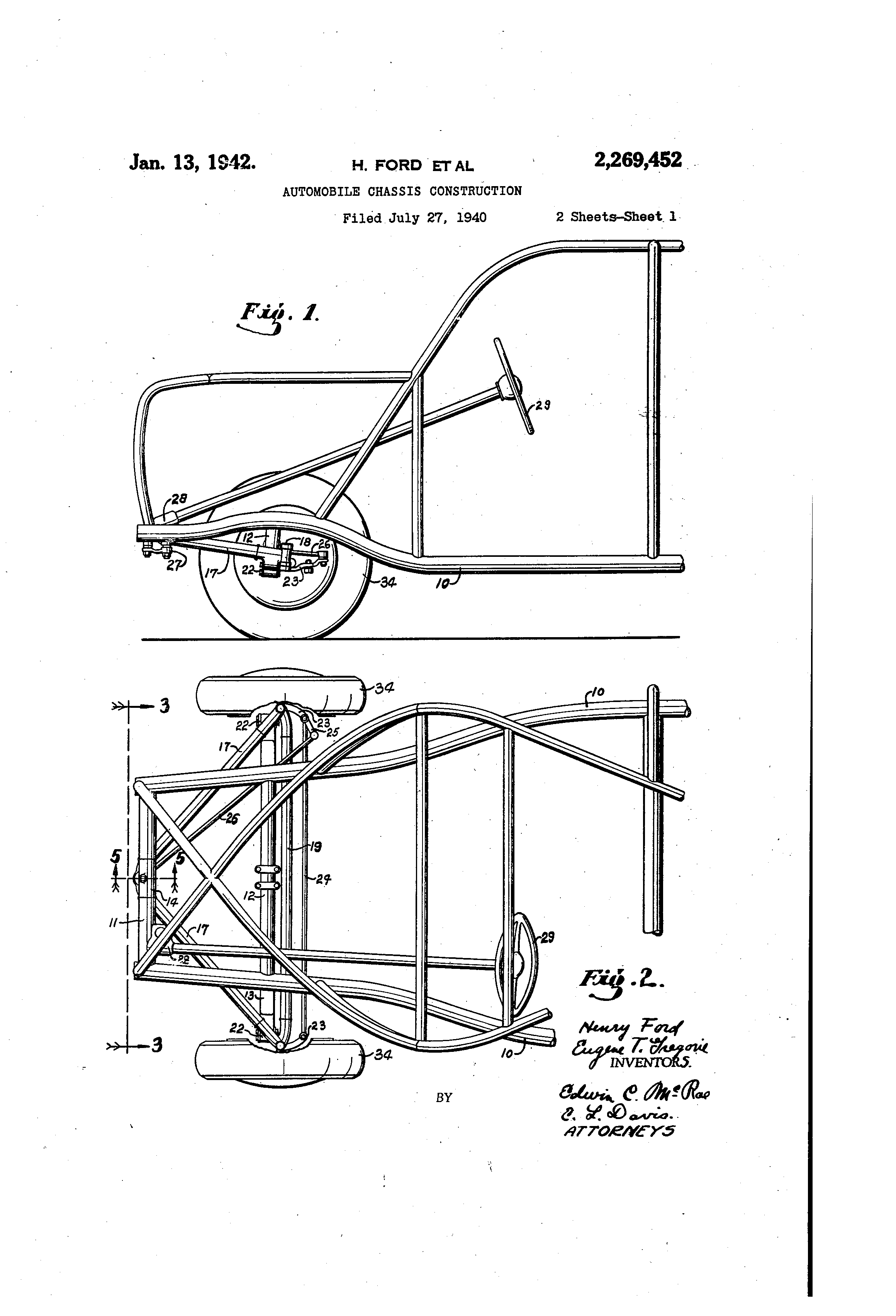
The vehicle used a tubular steel chassis with 14 plastic panels and weighed 2,000 pounds, or 1,000 pounds less than a conventional steel car. Ford had other motivations too. He wanted a product that could connect agriculture with industry, use plastic to reduce reliance on scarce metals, and potentially make the car safer in a rollover.
A recipe no one ever wrote down
Despite its famous name, the exact materials used in the plastic panels remain uncertain because no one recorded the formula. The Henry Ford Museum notes that one contemporary article described the panels as containing soybeans, wheat, hemp, flax, and ramie. Lowell E. Overly, the man who had much to do with developing the car, gave a somewhat different account.
Also Read | Your next car could know what you want before you tell it: Cyprus Chief Scientist
The project changed hands several times. Ford first put E.T. "Bob" Gregorie of the Styling Department in charge, but was not satisfied, so the work moved to the Soybean Laboratory in Greenfield Village. There, the project went to Overly, whose formal training was in tool and die design, with his supervisor, chemist Robert A. Boyer, helping with the work.
Then World War II intervened. The war halted civilian auto production, and the plastic car experiment stopped with it. A second unit was under construction when the war began, but it was abandoned, and postwar priorities shifted toward rebuilding the auto industry. Overly later said that Gregorie destroyed the completed car.
The well-known photograph of Ford striking a car with an ax also needs some context. It shows Ford's personal car fitted with a plastic rear deck lid rather than the soybean car itself. The ax had a rubber boot on its blade and reportedly flew up to 15 feet from Ford's hand after the demonstration. Ford used such demonstrations to showcase the durability he believed the plastic components offered.
An old idea raises new questions
Decades later, the idea of making useful materials from crops appeared again in discussions of sustainable agriculture and alternatives to petroleum-based products. Peg Herring's Growing Beyond Petroleum, published in the Summer 2008 edition of Oregon State University's Progress Magazine, looked at research into plant-based substitutes for products such as rubber, plastics, and other petrochemical materials.
Herring's account revisited several possibilities that echoed the kind of agricultural-industrial connection Ford had explored in 1941. It described composites made from materials such as straw and flax, bound with resin and soybean meal, along with research into goldenrod latex for tires and vegetable oil as a possible fuel. These were presented as areas of research and development rather than established replacements for conventional petroleum-based products.
Flax, in particular, was receiving attention at the time. The 2008 article described flax as lighter than fiberglass while offering considerable strength, and noted that automakers including Mercedes and BMW were using flax-based composites in components such as dashboards, door panels and headliners. It also pointed to renewed interest in traditional linoleum made with flax-derived linseed oil. At Oregon State, agronomist Daryl Ehrensing was studying Russian dandelion as a potential source of latex, selecting plants whose roots contained substantial amounts of the material.
The researchers also recognized that plant-based alternatives faced major limitations. Biological engineer Ganti Murthy estimated that algae could eventually produce far more biodiesel per acre than soybeans, but commercial production was still considered years away in 2008. Economist Bill Jaeger warned that replacing petroleum with a plant-based material did not automatically mean lower greenhouse gas emissions or greater energy independence. Russ Karow, then head of crop and soil sciences, likewise emphasized conservation as one of the more immediate ways to reduce resource use.
Although Ford's plastic car initiative did not continue because of the war, the basic question behind it has remained relevant: beyond food, what else can crops provide? The 2008 Oregon State review showed that researchers were already considering applications ranging from automotive components to flooring and fuels. Ford's soybean car was an early and unusual attempt to bring that agricultural idea onto the road.