
 E-Paper



Why the 'Sportsperson of Outstanding Merit' hasn't helped Indian sport, writes Sharda Ugra
Indian sport suffers from a dire shortage of genuine leadership and progressive capacity, which building wonderful new stadia and hosting mega-events cannot fix

 Prefer HTon Google


To distill what the latest round of the Indian Olympic Association’s (IOA) shenanigans around the 'Sportsperson of Outstanding Merit’ have taught us, let’s try free association.
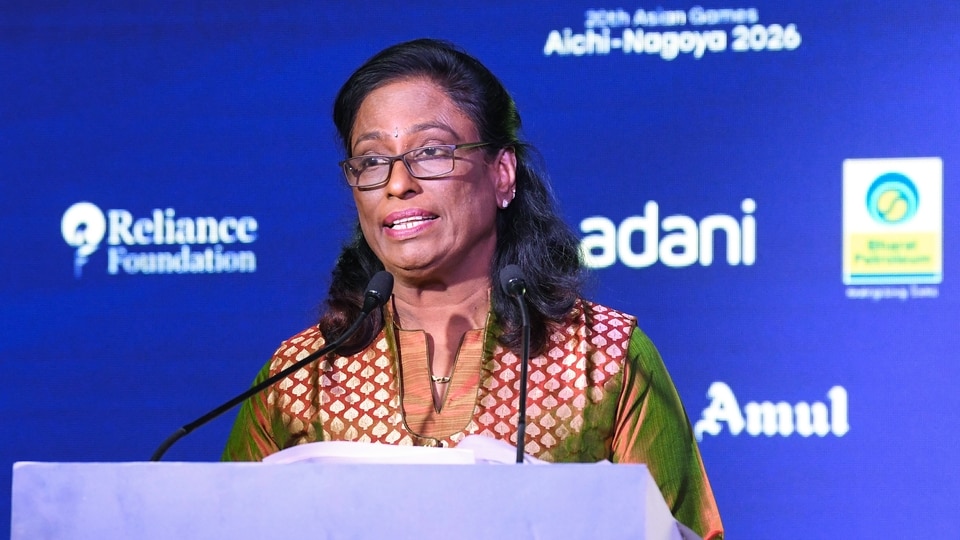
The words showing up at my end, in no particular order are: sheep, control, puppet, shortage, overreach and ‘same-same’ (just to be clear, not shame-shame). Naturally, there was no sign of ‘sport’, ‘athlete’, ‘pathway’ and ‘foresight’ in the SOM saga.
These words aren’t a learning as much as a reminder of a few things:
- That the athlete who on the field plays by rules, demonstrates focus, fire, grace and resolve need not necessarily carry these qualities into their choices and conduct off the field. That one athlete can become a completely different person off it. A Sportsperson of Outstanding Merit is not necessarily an individual of outstanding merit.
- That this personality transformation is the result of the environment that every elite Indians athlete absorbs around them. Which must be endured when required, taken advantage of when the opportunity arises—a baffling obstacle race to be tackled where one fundamental rule never changes: power and its disproportionate demands are best not challenged, but responded to with deference.
- That there is a dire shortage of genuine leadership and progressive capacity in Indian sport which the building of wonderful new stadia and the hosting of mega events cannot redress. The capacity and drive that does exist in Indian sport and was demonstrated during the SOM soap opera is the desire to acquire high office and stay there - whether by winning elections or, if required, by subverting the process itself.
- That no matter how well-intentioned, new regulations - like the National Sports Governance Act etc - they need first to be implemented, pushed and followed through when it matters with the best possible intentions. In this case, a regulation was given cosmetic surgery that didn’t even resemble a good intention.
The National Sports Governance Act and its other elements were expected to cascade down the various levels of the pyramid into the country’s approximately 40,000-plus sports bodies at the national, state and district levels. What has cascaded to the bottom is the central focus on the power grab, a dilution of rules, and the fact that in these exercises, sport, its priorities and its remedies have no place. The power of office is the primary focus, sport remains secondary.
The SOM saga also pushed into the background a second successive electoral blank-out of the IOA’s Athletes Commission (AC). After naming 34 on its AC electoral roll this year, much like in 2022, 24 candidates “withdrew.” Leaving, again, the ‘electoral field’ with its perfectly picked ten. According to Article 3.7 of the new IOA constitution, this AC selects the eight SOMs to be ratified by the IOA General Assembly.
The IOA instead chose to ratify its SOM Rules 2026, changing the electoral college - with due paperwork – from ten AC members to an 80-strong roster of former elite athletes. Of SOMs who could pick the SOMs.
Also Read - World Chess Championship: Resignation by letter, an aborted match and a champion who walked away
The SOM’s own 80-member electoral list of possible candidates naturally had its own withdrawals, etc. Why do the SOM elections matter? Two of the SOMs are elevated to the IOA executive council, in addition to two more from the Athletes Commission.
Now what will these ‘unanimously’ elected ACs or SOMs - with PT Usha alleging electoral malpractice in the her electoral count - elevated onto their pedestals of sand be able to do for Indian sport? When it really matters? Nothing. Who will they speak for when it is needed? Nobody. What is their role here? To be a headcount, a box tick.
Over these last four years, ‘withdrawals’ and external ‘recommendations’ have become endemic around athlete-centric elections. Athlete-candidates/ contendors say they receive calls/ messages from ‘people’ who can be senior peers, federation officials and people from government or people saying they are calling on behalf of the ministry/ government/ the highest offices of the country.
Normally, it would be great if these withdrawal and ‘vote for so and so’ conversations could be recorded, uploaded on social media and followed by a press conference. But getting athletes to withdraw from standing for posts where they may have a say or asking for proof to show support for a higher-up ‘recommendation’ has been totally normalised. The consequences of the wrestlers' protest show us how those who stand up to power are treated.
Over the last four years we have seen athletes of some prominence taking up senior positions in sport. But their roles have mostly been ceremonial or in the case of PT Usha, sidelined in case of causing a rumble.
Why won’t former hockey stalwart Dileep Tirkey, president of Hockey India, be taking part in the IOA elections; the former Wrestling Federation of India vice-president currently HI secretary general Bholanath Singh will be. Bholanath was last seen on video forcibly pushing his way into the Indian men’s team circle after their gold medal win at the Asian Games. Usha has found her way into the IOA elections via ice hockey but she is up against very old players in this game.
Today, there is a massive rift which has led the IOC to issue a letter to the IOA, with a representative expressing their ‘disappointment’ over the ‘regrettable’ situation. It is possible that India’s online presentation to the IOC on November 26 regarding its 2036 Olympic bid has already been hit hard. The IOA and the federations could hold a joint press conference and take full credit for this one.


