
 E-Paper



Independence Day special: Five classics about India to read right now

 Prefer HTon Google


As India enters its 75th year of Independence, Manjula Narayan puts together a list of works to read for insight and perspective on the making of a nation.
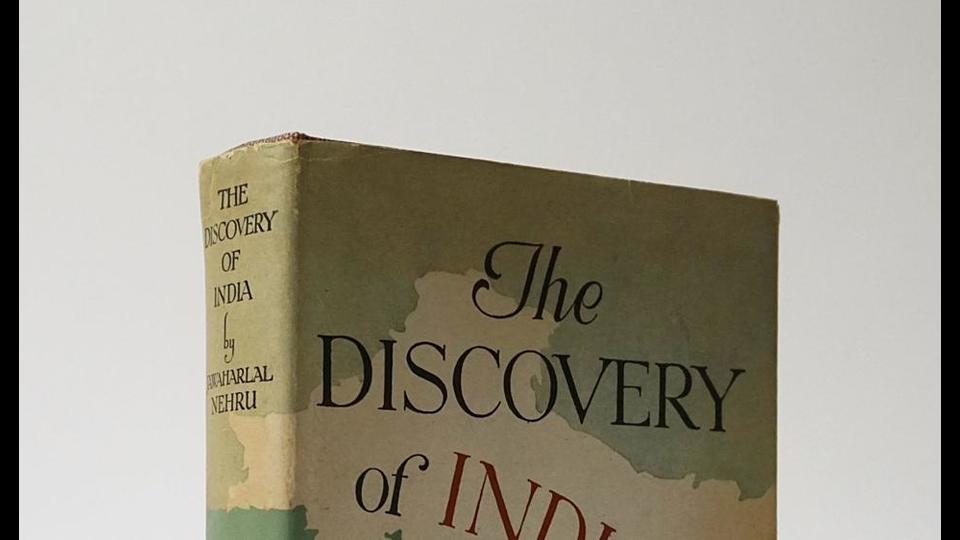
The Discovery of India by Jawaharlal Nehru
Imprisoned for participating in the Quit India Movement, Jawaharlal Nehru, the future prime minister of India, used his time at the Ahmednagar fort jail (1942-45) to write The Discovery of India. Beginning with the subcontinent’s early history and continuing until the British Raj, the work is magnificent in its sweep, offering readers insight into Indian thought through the ages and, most importantly, especially at that early stage, a sense of our collective identity.
.
An Area of Darkness by VS Naipaul
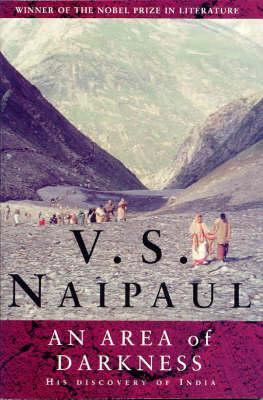
Savage in its judgement, An Area of Darkness, published in 1964, the first of VS Naipaul’s India trilogy, is guaranteed to anger Indians. Indeed, it was banned in India in the 1960s. A contemporary reader can still learn much from the book — how much we’ve changed as a nation and a people, and how much we’ve stayed the same.
.
India; A Million Mutinies Now by VS Naipaul
The third in VS Naipaul’s Indian trilogy, …A Million Mutinies Now, published in 1990, is prescient and almost optimistic about India’s future. It allows readers to arrive at an idea of the country through anecdote and by including the voices and views of a cross-section of Indians.
.
Midnight’s Children by Salman Rushdie
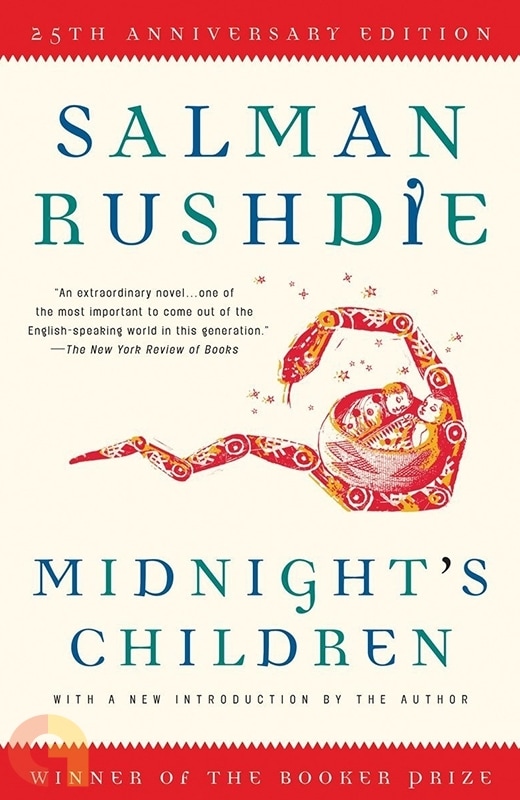
One of the greatest literary works of the 20th century, Midnight’s Children (1981), a magic-realist telling of the story of India, is remarkable for its feats of imagination and for its inventive use of language. The reader follows Saleem Sinai from his birth at the stroke of midnight on August 14-15, 1947, when India became an independent nation, and takes her along in its allegorical retelling of the country’s subsequent misadventures.
.
India after Gandhi; The History of the World’s Largest Democracy by Ramachandra Guha
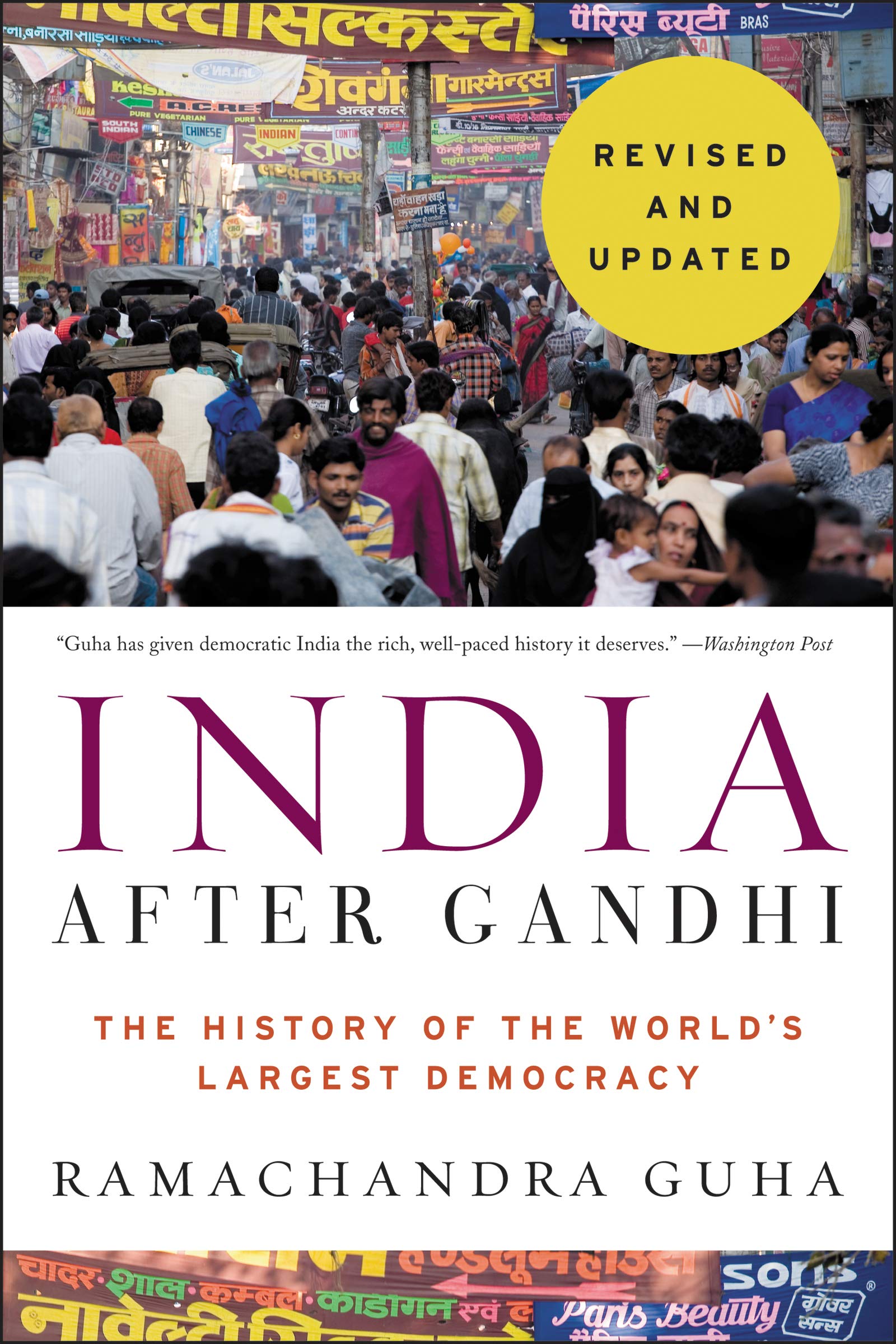
First published in 2007, Ramachandra Guha’s India after Gandhi is a wide-ranging work that includes rulers and peasants, famous personalities and Everymen, institutions and ideas, conflicts, struggles and successes in its ambit. In doing so it tells the story of this vital democracy in some of all its complexity.


