The India Art Fair’s start-of-the-year dates ensured that as countries began shutting down amid the pandemic, the four-day Delhi event was already over. But 2020 saw other international fairs fall like nine pins, including the Frieze fair in New York and Art Basel in Miami.
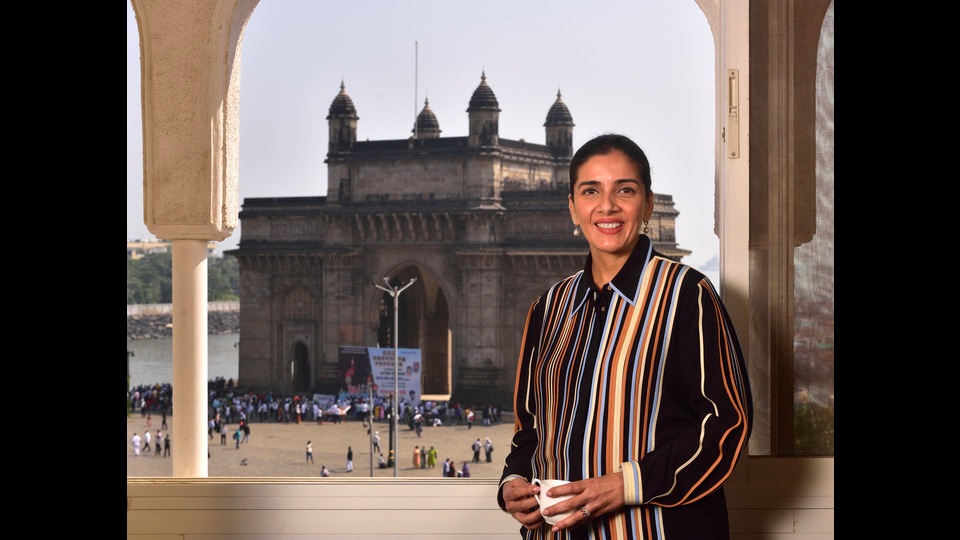
As the IAF returns in February 2022, after a year’s hiatus, with a new director, Jaya Asokan (formerly deputy director to her predecessor Jagdip Jagpal) discusses how the fair hopes to bring back galleries and footfall. Already IAF has seen over 75 galleries confirm participation, of which 14 are new. Excerpts from an interview.
What does it take to get an art fair started after a pandemic-induced break?
Challenging is a good word, and also exciting. It’s given us the opportunity to pause and reset. Even when you’re thinking of the physicality of the event, in terms of what you need to do [to keep everyone safe in a pandemic], the pause made us assess the content. This year, with international travel only just opening up, we couldn’t even ask [international gallerists] to come. We took this time to turn inward and focus on what’s happening in the country, for instance, in the northeast and the south, and in the surrounding South-East Asian countries.
What do you expect in terms of buyer sentiment at this point?
It’s been incredibly strong in India in the past year-and-a-half. The auction houses’ results are visible and transparent. [New records were set in this period, by a Gaitonde and an Amrita Sher-Gil, for most expensive and second most expensive piece of Indian art sold at auction]. People were initially parking money in Modernists so those did well. Wealth management firms offer art as an asset class. So we see a huge interest in buying. I feel quite confident. After the downturn in 2009, we’ve been steady in our growth… Auction catalogues now have modernist and contemporary works too.
A few years ago, Jagdip Jagpal and you had decided to ensure that at least 70% of the physical space in the fair was for Indian galleries. Now, “space” is digital too. What does that mean for the IAF?
We are dealing with different demographics. For a lot of art buyers, seeing the artwork is still very important. For millennials, they could well buy a work of art that they have seen online. So, it comes down to how you relay the content — here, the core content is the work of art — and to which audience. We have a young collector’s programme, for instance, and last year a curator held a salon at her home which was well-received. The art world can be quite daunting and opaque, with respect to the pricing, right? The salon was casual… and many works actually sold.
In another couple of weeks, we’ll be taking a select group of people to Kolkata for a walkthrough of some galleries there. We’ve curated an itinerary for them for two days. We’re playing around with ideas. The world has changed, yes, but what works today? What can we do to excite people? There’s only so much we can do digitally — we have revamped our entire website after I took over. We’re putting out a lot of editorial content, like walkthroughs of shows. We recently did a workshop on screen-printing. There’s an appetite for everything, and we think we will streamline this to a few events a month. It shouldn’t be this huge thing that we do once a year and then we disappear.
Does this format of going beyond the primary event of the fair feel like you’ve stretched yourselves too thin?
To be honest, there is so much content that we want to put out and that is something that I am very keen on. We have never ramped up the output on our website before a fair in the last 13 years as we have in the past three months. The language is also accessible. We want to access as wide an audience as possible. [We’re] stretched only because my team is small. Is there a dearth of content and ideas? Absolutely not. We have enough to say the whole year round.

 E-Paper