
 E-Paper



Too many cooks? I’d say too few: Swetha Sivakumar writes on the perils of video recipes

 Prefer HTon Google


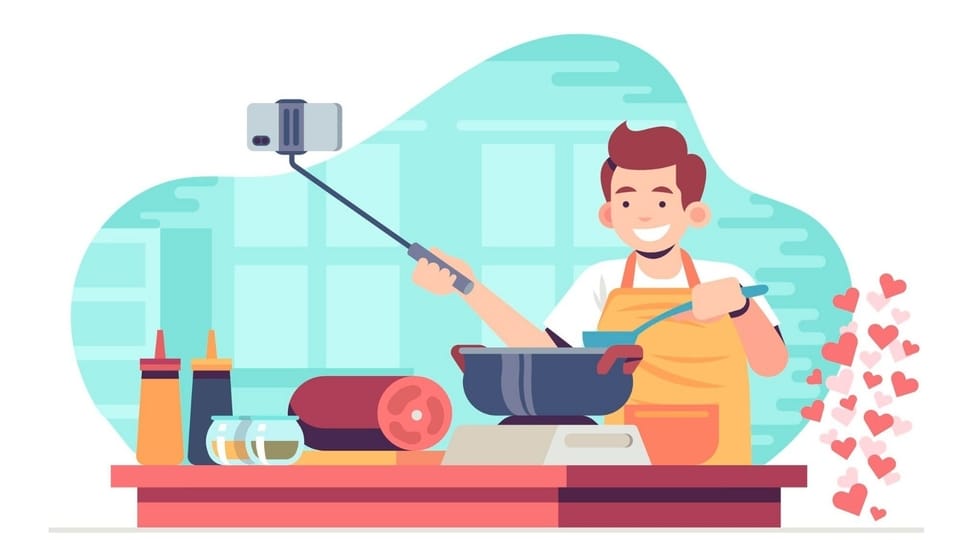
Amid the focus on how it all looks, chefs miss out on details. The result, for us at home, is a dish that doesn’t look or taste as promised. Here are my hacks.
They’re fun to watch, aren’t they, those expectation-vs-reality videos? It’s not so much fun to be on the other side.
I’d like to talk, today, about why picture-perfect recipes can be so perilous.
I love recipe videos. They let us discover our own culture, and learn about cuisines from around the world. They make learning so much faster and easier.
I remember my periamma (aunt) in Hyderabad making tomato soup with croutons for the first time, with the help of a recipe book, in 1985.
It was the highlight of our day; no, our year! When I make unfamiliar dishes today, I think of her. She would have loved the simple, delicious, no-onion, no-garlic labra torkari of West Bengal, and the Italian spaghetti all’assassina, made by cooking the pasta straight in the pan, to give it deliciously chewy, caramelised edges.
But… all that excitement and anticipation perish when the dish doesn’t turn out the way it was meant to. I tend to blame Instagram and YouTube for this (okay, sometimes it’s me; but often, it’s them).
My biggest issue with algorithmic ranking is that it doesn’t tend to reward the best cooks.
To succeed as an online food-content creator, one must excel at both cooking and marketing. A grandmother might be making the most authentic, delicious version of a dish, but if she can’t figure out how to also create eye-catching thumbnails, edit videos effectively, ensure good lighting, and then push her content and her profile, she goes entirely unnoticed.
Meanwhile, I can’t seem to avoid those awful Reels of men and women feeding unthinkable messes to their children (for the hits, surely? I like to believe there is a real meal, hearty and wholesome, hidden somewhere off-screen).
Even when setting up my food blog, all the advice I got related to appearance, and promotion.
I was advised to take a food-photography course, where I learnt about the power of “action shots”: melting cheese, bubbling sauces, the dramatic pour of a tadka. A top-down clip of naan swirling in a creamy dal makhani can stop someone mid-scroll, they said. One can make mediocre food look stunning with the right props, lighting and angles, they added.
Cooking wasn’t even part of the discussion. Nobody ever discussed, for instance, how to shoot onions that have been perfectly browned.
Meanwhile, on Instagram and YouTube, chefs who do care, and manage to break through the clutter, find themselves under constant pressure to post. Algorithms reward consistency, so one must post at least once a week. Not everyone has the stamina to keep going.
There is pressure to rush through the details in each post too, to keep things pacy and entertaining. Yet, good cooking is all about the little details.
I just wish there was a platform where people who really wanted to learn could more easily find the right sources. For the time being, I am glad to have found a few chefs on Instagram and YouTube who put the food first.
The British chef and restaurateur Yotam Ottolenghi often talks about his rigorous process. Each recipe he posts is tested three or four times; those that involve baking are tested up to 10 times. They are then sent to his long-time home tester, Claudine Boulstridge, who makes the dish for her family. Once this two-step authentication is complete, the recipe makes its way onto his website.
The platform America’s Test Kitchen has a similar system. Recipes are only published if at least 80% of home-testers say they would make them again. When I submit recipes to the website Serious Eats too, each one is replicated by a team member or home-tester before being published.
In my search for good independent cooks online, meanwhile, I have developed a hack. I follow the 10,000-hour rule of mastery, which, with cooking, would mean anyone who has been at the stove for about 27 years. Moms and dads, grandmothers and grandfathers who have spent their lives cooking for loved ones are the people I trust, because in those years, they have developed a deep understanding of how food works.
Professional chefs, incidentally, reach 10,000 hours in about four years of full-time work. In India, I have found that experts such as Nisha Madhulika, Bhupender Rawat (Chef Bhupi), and Revathy Shanmugamum don’t just know their craft, they can also anticipate the mistakes beginners might make.
For their attention to detail, I also like home chefs Sonia Barton, and Shubhangi Niraj of Gharoghari Annapurna. Their precise instructions, even for simple recipes, allow me to make a dish that looks almost exactly like the one in their thumbnail photographs.
Isn’t that the most satisfying feeling? If you’re looking for it too, I hope these tips help you out.
(To reach Swetha Sivakumar with questions or feedback, email upgrademyfood@gmail.com)


