
 E-Paper



Flow or fold: The sari is Gen Z’s new office flex

 Prefer HTon Google


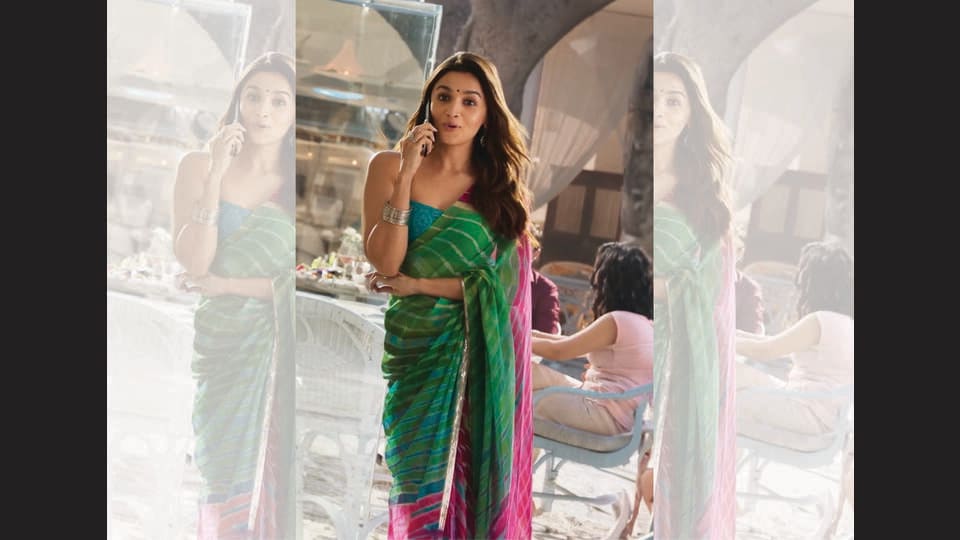
Linen for Monday meetings, crepe for client calls. Gen Z is bringing saris back to office. And turning them into a subtle power move
Don’t come at us, but the sari is the OG workwear. Indian women have worn them in the fields, they’ve herded cattle in them, climbed mountains in them, run households in them, orchestrated space missions in them, fought battles in them, went to the market in them and worn them when they first railed against the patriarchy. Don’t let anyone tell you that a sari doesn’t belong in the workplace.
So how come most women in the corporate sphere keep their saris only for Traditional Day and formal events? For a while, the sari had disappeared from the regular workday.
But leave it to the incoming generation of officegoers to bring it back, pleats, folds, safety pins and all. Beezy muls? It’s on the office Zoom call. Linen? It’s for that magic Wednesday, when clients finally shut up. No-crease sateen? It’s for the obligatory trip to the co-working space to show proof of life.
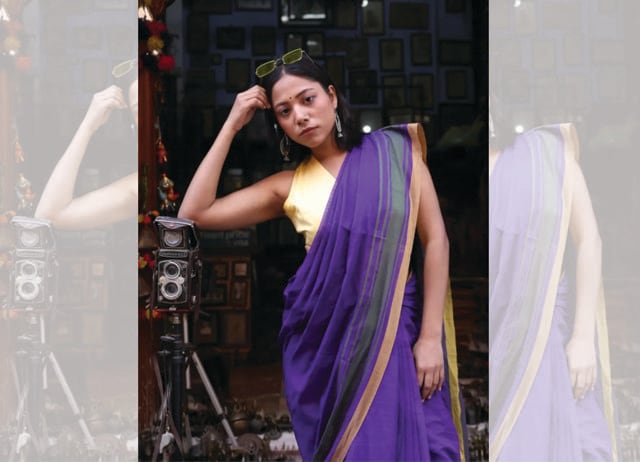
The push – surprise, surprise – is coming from the internet. Young women are flexing their #FirstSari looks on Reels, choosing not a grand debut, but a soft, casual drape. There are pleating guides, criticisms of shapewear petticoats (“They do ride up when you walk, guys!”) and guides on how to buy light but real silk. And because a sari is no longer occasion-wear, it’s everywhere.
Glam for the grind
Varsha Anantharaman, a 22-year-old textile designer from Chennai, remembers wearing a sari to the office for the first time, one month into her first job. “It was a handloom cotton sari that I had bought at a craft exhibition,” she says. “I remember that it made me feel confident and proud.” Her inspiration came from her boss and co-workers who wore saris at least once every week.
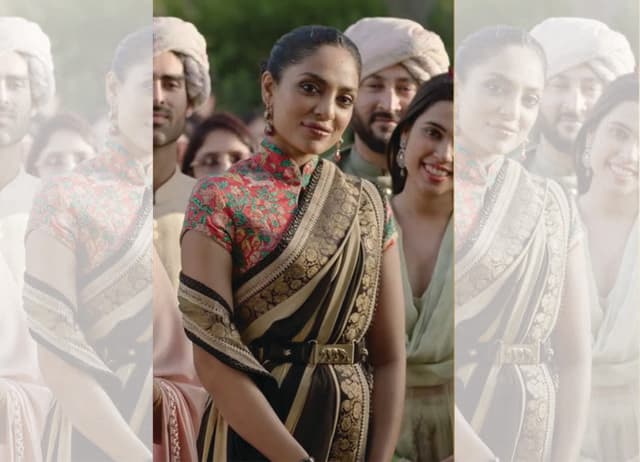
The garment feels comfortable, even more so when she pairs it with a cropped top, tank top, or a T-shirt instead of a fitted blouse. But its effect is unexpected. Anantharaman says she feels empowered in it and walks taller too. “My colleagues pay more attention to what I’m saying when I’m in a sari. Sometimes, they start conversations not about the sari, but about work and ideas. It subtly changes how people engage with me, and I find that really powerful,” she says.
Anantharaman tends to wear handloom saris featuring block prints and hand-painted kalamkari. “Yes, draping takes effort, and not everyone feels comfortable at first. But once you find your rhythm, including the drape that suits you and the fabric you prefer, the ensemble becomes an extension of your personality.”
New inspiration
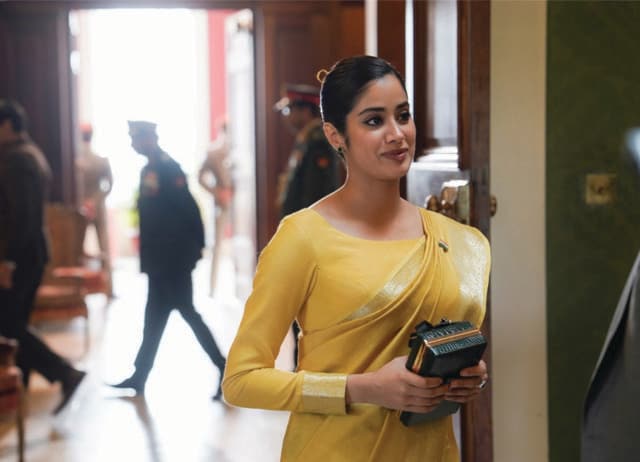
Those breezy chiffon saris that characterised Yash Chopra romances seem dated in an age where news breaks on Insta and Likes are a form of currency. In Rocky Aur Rani Kii Prem Kahaani, TV journalist Alia Bhatt strides in to work in chiffon saris paired with bralette blouses and a big bindi. Sobhita Dhulipala, in Made in Heaven, wears elegant saris with structured blouses (sunglasses ever present), looking like she commands every room she enters. Women are taking note. Sari designers and brands are too.
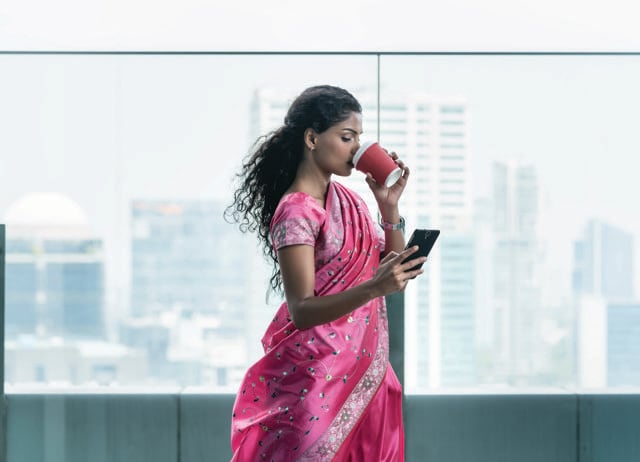
Prachi Seksaria, founder of Moora, an indie sari label, didn’t expect that the age-old garment would become so popular with younger women. But she’s out to reinvent the long drape as bold, effortless everyday wear, not stuffy occasion wear. “Our buyers tend to lean towards minimal prints and solid colour drapes. But we’re also experimenting with playful pastels and Gen-Z-inspired combinations such as Barbie-pink in a handloom fabric,” she says. “They also want to know where their sari was woven, who made it, and the story behind it.”
She recommends cotton-silk blends for work. “The most popular work styles right now are the ‘tucked and belted’ drape and the work-friendly half-pallu version.” But Seksaria has also found that younger wearers tend to pair their casual saris with denims, belts, shirts, and sneakers. Most users want to dress quickly. So, the brand has introduced pre-draped saris, with pockets, and comfort-fit blouses. “For women who are constantly balancing modernity and identity, the sari has become that sweet spot,” she says.
Global stretch
Besides, the sari now has diplomatic powers. Last week, the Consulate General of India in New York held the second edition of Saree Goes Global, a giant celebration of the garment, at Times Square. Attendees (Yes, men too) from India, Bangladesh, the UK, the West Indies, Malaysia, Singapore, Sri Lanka and the US went all out in their saris. No one there really cared how old or how fancy someone else’s sari was. The walkathon, dances and cheers were for the power of the garment itself.
Pragya Singh, Consul (Head of Chancery) at the Consulate General of India in New York, called the sari “one of the world’s oldest continuously worn garments, with a history spanning thousands of years”. Given how excitedly young office-goers are wearing them, there’s more history to be made.


