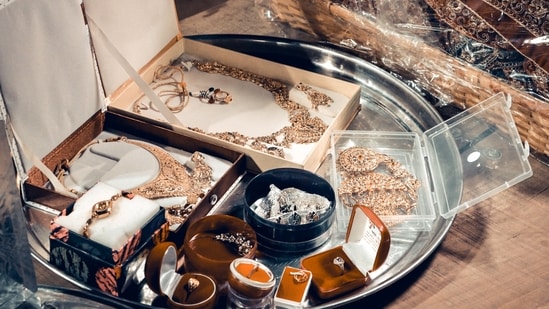
For every bride, the trousseau is where anticipation first takes shape, a quiet ritual of choosing that carries the weight of everything to come. Sarees, lehengas, jewellery, footwear, beauty essentials and pieces for the home mark its traditional contours, yet no two journeys towards the wedding day are alike. Saurabh Bharara, vice president and business head, DLF Luxury Malls, shared a simple guide on how to build a wedding trousseau that serves the purpose.
Also read | How to choose the perfect photographer and videographer to capture every cherished moment on your wedding
1. Start with the pieces you actually wear
According to Saurabh, a bride may have a clear idea of the lehenga she wants for her wedding, but the pieces around it require a little more thought. A heavily embroidered outfit may work beautifully for the main ceremony, while a lighter silhouette can be far more useful for a family dinner or a post-wedding celebration.
2. Think about what you need immediately after the wedding
Before adding more ceremonial pieces, imagine the morning after the celebrations. What do you wear when the wedding is over? There may be family lunches, visits at home, post-wedding rituals or simply days when you want to dress well without feeling like you are still wearing your wedding wardrobe.
{{/usCountry}}Before adding more ceremonial pieces, imagine the morning after the celebrations. What do you wear when the wedding is over? There may be family lunches, visits at home, post-wedding rituals or simply days when you want to dress well without feeling like you are still wearing your wedding wardrobe.
{{/usCountry}}For post-wedding ceremonies, this could mean a Banarasi, Kanjeevaram or lighter organza saree; an easy Indian set or softer festive outfit can work just as well.
3. Build different levels of occasionwear
Not every wedding-related event requires the same degree of dressing. A cocktail, a family dinner, a reception and a smaller celebration can each call for a different mood. Having a mix of statement pieces and lighter occasionwear makes the trousseau considerably easier to use. Looking at different styles in this way can help a bride work out where she wants to make a statement and where she prefers to keep things simpler.
4. Choose the silhouette; then make it personal
Instead of accepting an outfit exactly as it comes, think about the details that matter to you: the fit, fabric, colour, embroidery, sleeve length, neckline or even the way a dupatta is styled. “The point is not to choose between them; it is to recognise which visual language feels closest to your own,” said Saurabh.
5. Leave room for contemporary pieces
Once the main ceremonial wardrobe is in place, think about the outfits that sit between the bigger occasions. A contemporary lehenga, a structured evening outfit, a lighter festive set or something that can be styled differently can prevent the trousseau from becoming repetitive.
6. Think about jewellery after you know the clothes
Jewellery is easier to choose once the wardrobe has begun to take shape. Rather than buying pieces simply because they are considered bridal essentials, look at what you actually wear them with. A statement necklace may work beautifully with one outfit but rarely leave the cupboard afterwards; earrings, bracelets or a versatile necklace may have a much longer life.
7. Give beauty and fragrance a place in the trousseau
Beauty should also be approached according to how you actually live. Alongside the makeup and skincare needed for wedding functions, think about what you use once the celebrations are over: everyday makeup, a few occasion essentials and products you genuinely reach for. Fragrance can be approached in much the same way. Instead of buying bottles simply because they are considered part of a luxury trousseau, think about whether you want a signature scent.
8. Give the honeymoon its own chapter
The honeymoon often comes immediately after the wedding, yet its wardrobe can easily become an afterthought. Think about where you are going, what you are likely to do and what you genuinely wear again. Resortwear, evening dresses, easy separates and comfortable travel pieces can form a small wardrobe of their own.
Choose according to your destination, personal style and comfort rather than buying a generic “honeymoon wardrobe”. A dress that works for dinner, separates that can be styled more than once, or a cover-up that works beyond the beach has a longer life than something purchased purely for photographs.
9. Don’t forget the wardrobe you return to
According to Saurabh, a trousseau is also about the life that continues once the wedding and honeymoon are over. If you work, travel regularly or spend a lot of time attending family occasions, those realities should influence what you buy. Workwear, everyday Indian clothes, evening separates and practical footwear may not feel as exciting as a bridal outfit, but they are likely to be used far more often.
Catch your daily dose of Fashion, Taylor Swift, Health, Festivals, Travel, Relationship, Recipe and all the other Latest Lifestyle News on Hindustan Times Website and APPs.
Catch your daily dose of Fashion, Taylor Swift, Health, Festivals, Travel, Relationship, Recipe and all the other Latest Lifestyle News on Hindustan Times Website and APPs.