
 E-Paper



From Bangkok’s Michelin-starred restaurant to Bengaluru: Chef Deepanker Khosla who left India to find Indian food is coming home and changing nothing

 Prefer HTon Google


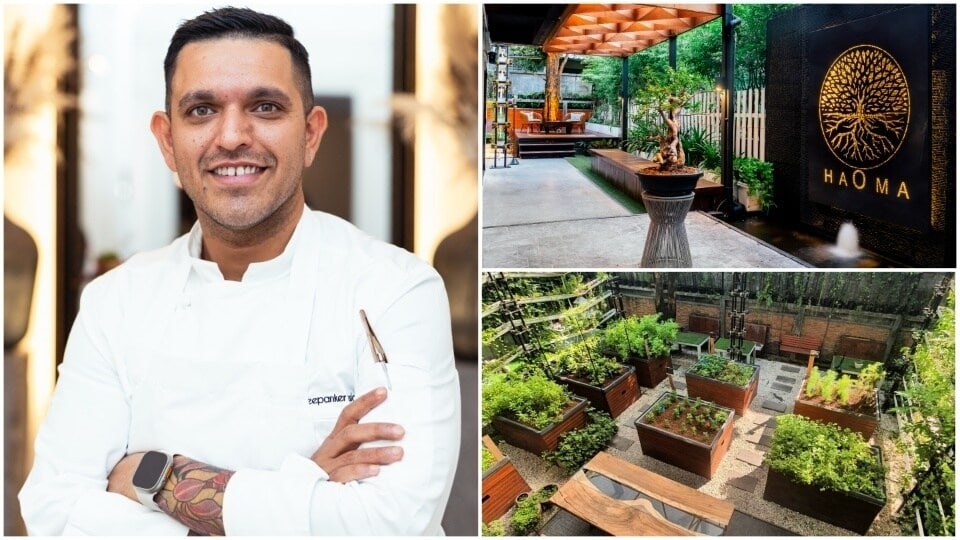
Chef Deepanker Khosla of Bangkok’s HAŌMA is back in India — same food, same philosophy, new audience. And Bengaluru gets first taste.
Chef Deepanker Khosla left India to understand Indian food. Now he is bringing it home, and not changing a single thing. That is the contradiction at the heart of ‘The Royal Homecoming’, his two-night pop-up on 13 and 14 November 2026 at Aaleeshan, JW Marriott Bengaluru Prestige Golfshire Resort and Spa, Bengaluru, where the chef-owner of Bangkok's HAŌMA will serve a six-course dinner. Also read | Chefs behind world's only Michelin-starred Chilean restaurant pick Bengaluru for India debut
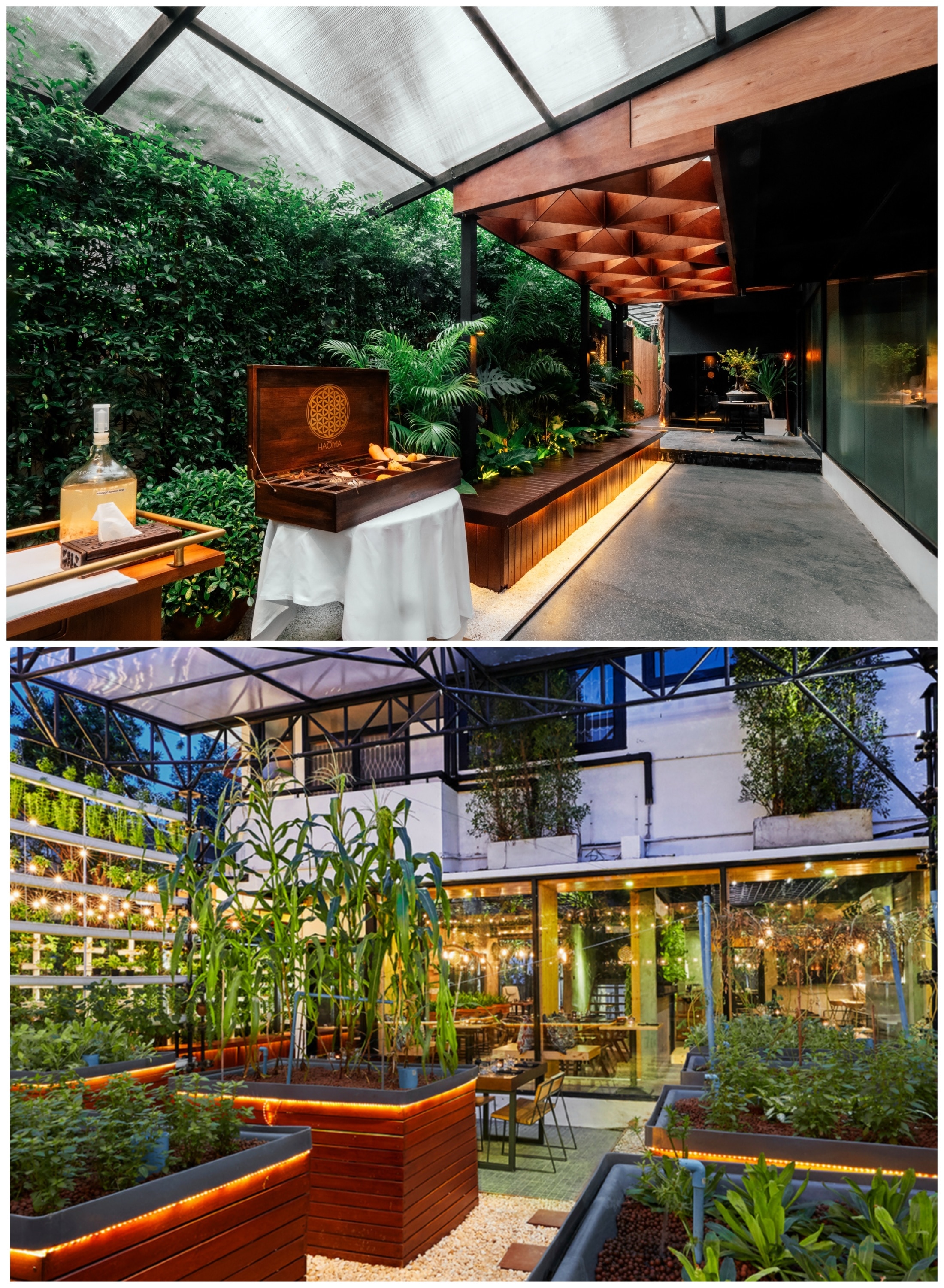
HAŌMA is not merely a restaurant with a garden; it is a dining room built directly inside an active urban micro-farm — and the world has noticed. It holds a Michelin Star and a Michelin Green Star, has been featured in Asia's 50 Best Restaurants extended ranking, and chef Deepanker received The World's 50 Best Restaurants Champions of Change award in 2021.
But for him, the accolades are not the point. "Sustainability is about everyday discipline, not awards," he said in an interview with HT Lifestyle. “It's growing our own produce, managing water, composting, preserving ingredients and constantly questioning waste," he added. That discipline is what he is bringing to Bengaluru.
He left India to find Indian food
"A homecoming, definitely. I left India to explore the world, but Indian food has always been my identity. Coming back and cooking for an Indian audience is both exciting and deeply personal," he shared.
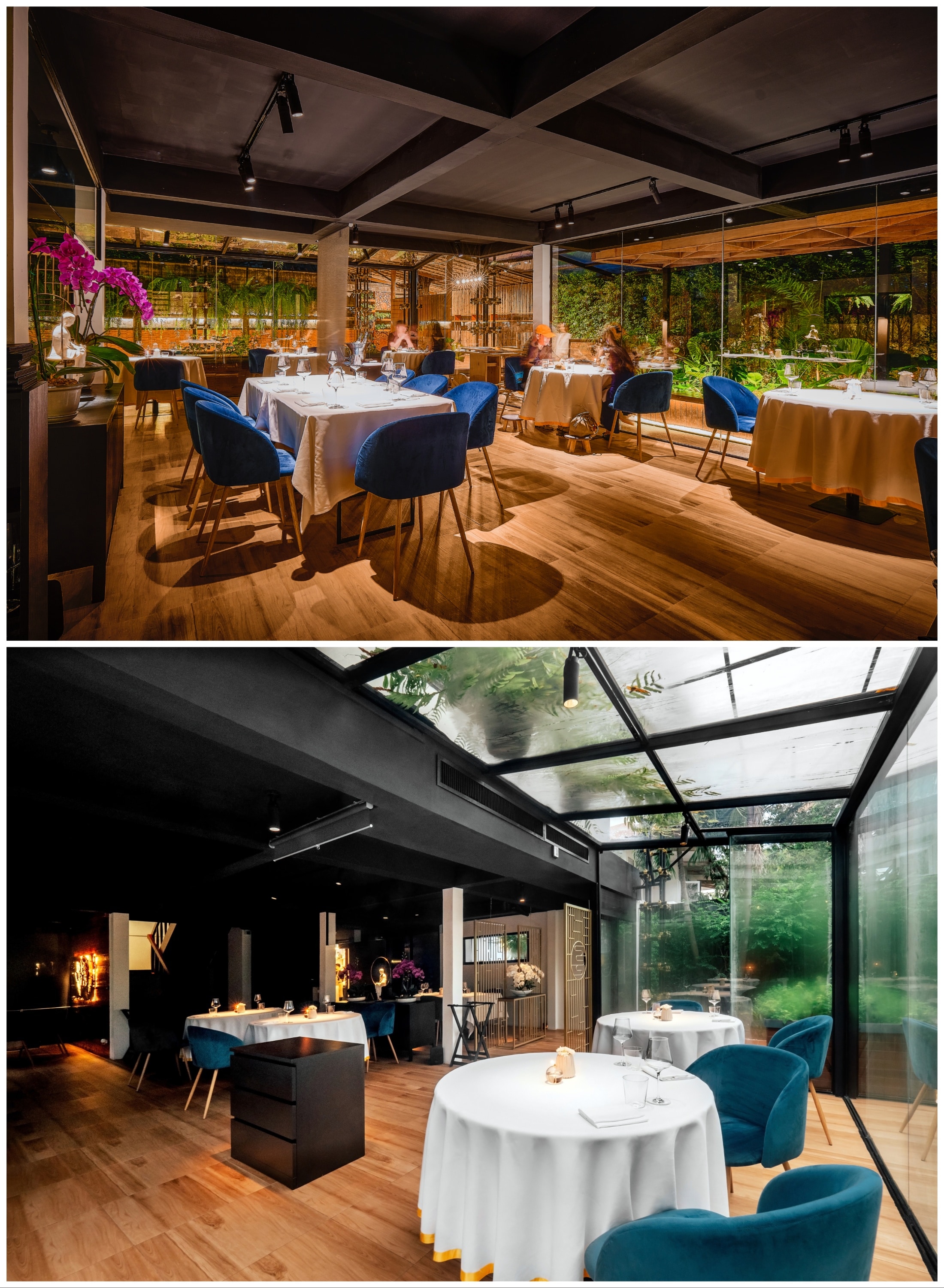
HAŌMA opens onto a wooden deck under a copper canopy, a bonsai beside a glowing gold tree logo. Inside, white-clothed tables, teal chairs, a glass roof with greenery. The farm is steps away. Also read | I went for a 10-course Meghalayan feast in Bengaluru and ended up dining with royalty, discovering the culinary soul of the northeast
In Bangkok, chef Deepanker cooks Indian food for a non-Indian audience. At Aaleeshan, he will cook for Indians, in India. Will he cook differently? "Honestly, no. I don't believe in changing my food depending on someone's nationality. The flavours, techniques and philosophy remain the same. Indian diners might simply connect with the memories behind the dishes differently," he said.
What neo-Indian really means
That refusal is key to neo-Indian, a term he highlighted he coined. "For me, I coined the term neo-Indian cuisine; we were the first 10 years ago. Neo-Indian is a point of view. It's about respecting our culinary heritage while expressing it through contemporary techniques and local ingredients. It isn't about making Indian food look European or unnecessarily complicated," chef Deepanker said.
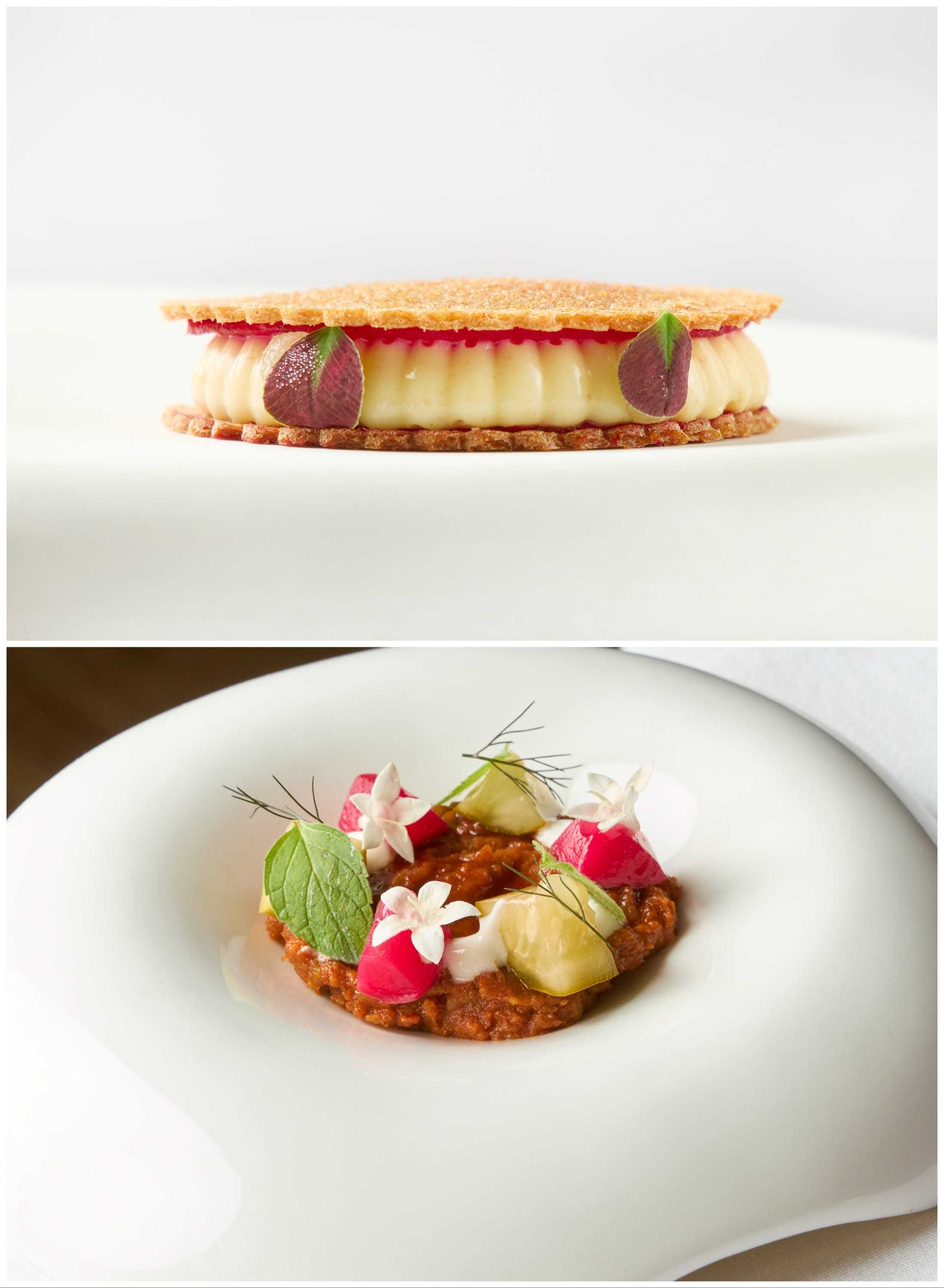
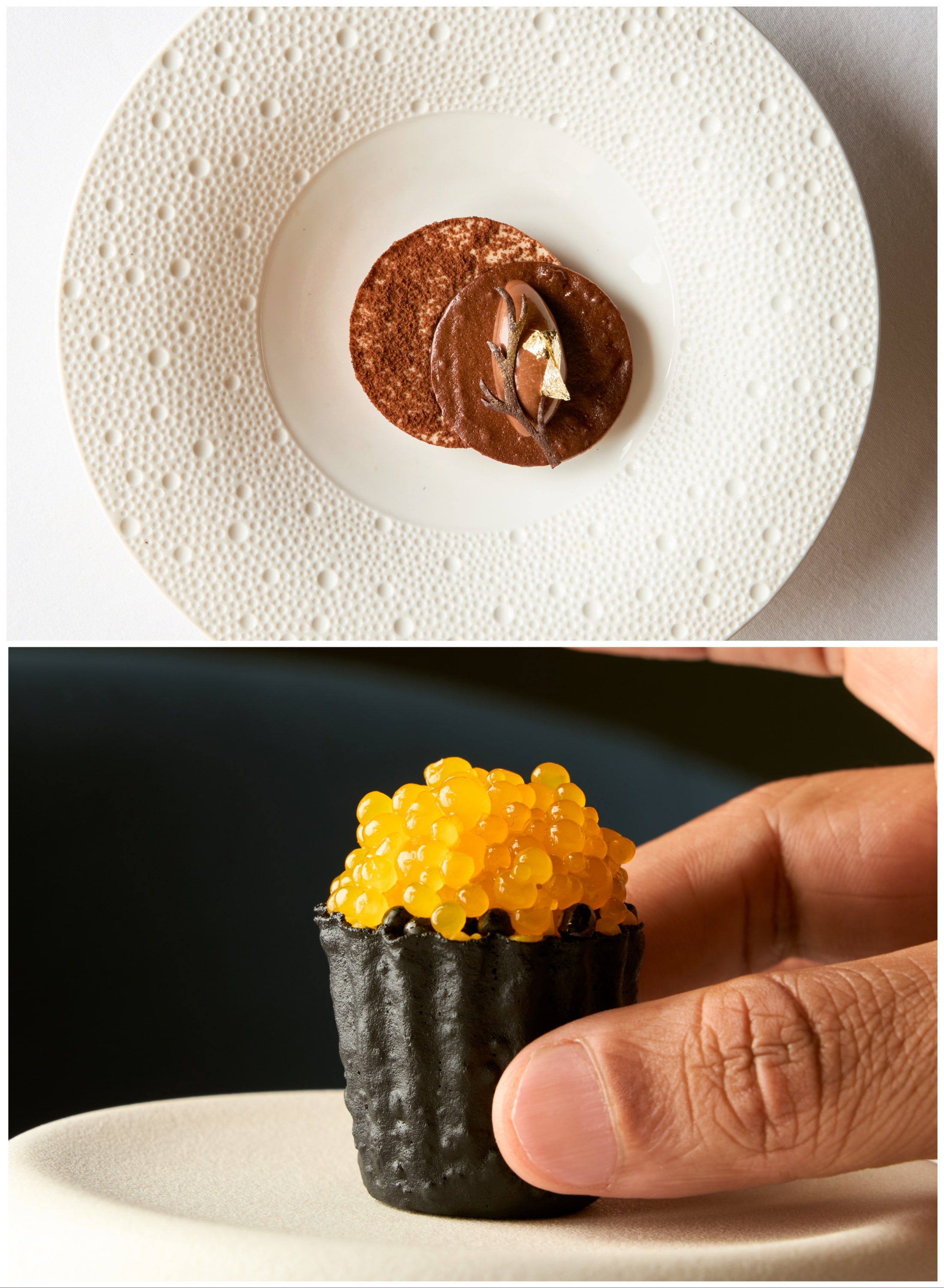
You can see that on the plate. One bite arrives in a small black cup, bright golden pearls. Another comes on a wide white plate, pickled vegetables, mint and white flowers. Another dish has two thin crisps sandwiching piped cream and a bright pink layer. Also read | I plucked my appetiser off a plant, ate tamarind ice cream: Inside Nila's 12-course tasting menu from Ladakh, Kerala and Nagaland
Indian food abroad was long flattened into curry, tandoor and butter chicken. Is neo-Indian a correction to that — or just a more elegant flattening? "Neither, ideally. Indian cuisine is far too diverse to be represented by a handful of dishes. Neo-Indian should open doors to lesser-known ingredients, regions and traditions, not create another narrow definition of Indian food," he said.
If it doesn't taste like the memory, it's out
Where is the line between reinterpretation and reinvention? "The soul of the dish is where I draw the line. I've experimented with dishes where the technique became more important than the flavour. That's when we go back to the drawing board. If it doesn't taste like the memory, it doesn't make the menu," chef Deepanker shared.
A dish at HAŌMA starts, he said, with 'usually a memory or an ingredient'. Right now, he is fascinated by regional ingredients: "I'm particularly fascinated by regional wild ingredients and indigenous varieties that rarely find their way into modern restaurant kitchens."
Bengaluru, he sees you
Why Bengaluru, and why now? It just felt right, chef Deepanker shared. "Bengaluru has an incredibly curious and well-travelled dining audience," he said, adding, "There's an openness to new ideas here, while still having a deep appreciation for traditional flavours."
Did distance make him more Indian? "Absolutely. Sometimes you need to leave home to truly appreciate what you grew up with," he shared. Also read | I dined with chef Kunal Kapur at his new Bengaluru restaurant: 3.5 hours, 8 courses, 1 serious tofu conversation
Fermentation is not a trend, it's home
Fermentation is central to HAŌMA, but in India it is everyday: idli, dosa, pickles, kanji. "Fermentation isn't a modern invention," chef Deepanker said. "Our ancestors understood it long before chefs made it fashionable. At HAŌMA, we use it to build flavour, preserve ingredients and minimise waste. It needs to serve a purpose, not become a gimmick," he added.
Fine-dining vs everybody's food
Farm-to-table changes when the farm changes. "Everything except the philosophy," chef Deepanker highlighted. The soil, climate, seasons, and produce change, and the menu should respond accordingly. And how does he reconcile exclusivity with traditions rooted in everyday India? "Fine dining is the medium through which I tell these stories. The ingredients and traditions themselves belong to everyone," he shared.
In Bengaluru, that will look like lobster pulisey, featuring lobster tail, caviar and mango chutney, and lamb loin, accompanied by nihari qorma, smoked lentils and basmati rice. A live sitar performance will lend a musical dimension.
Who taught him to cook?
"My earliest understanding of food came from home, watching everyday cooking," the chef said. And if HAŌMA closed tomorrow, what would he want it to have proved? "That Indian cuisine can be progressive, sustainable and globally relevant without losing its identity," he added. Chef Deepanker hopes we haven't sacrificed regional diversity in pursuit of trends.
The rapid-fire round where he got blunt
One misunderstood Indian dish abroad? Butter chicken, he said, adding, "There's so much more to it than a sweet, creamy tomato sauce." One ingredient he'd ban from fine-dining Indian menus for a year? Truffle oil. Fire, fermentation or spice: if he could only pick one forever? Fire. "Everything else begins with it," he said.
That is so chef Deepanker. Start with fire always. Respect the memory. Let the land decide. Don't flatten India into one dish. Bring it all home, and trust that home will recognise it.


