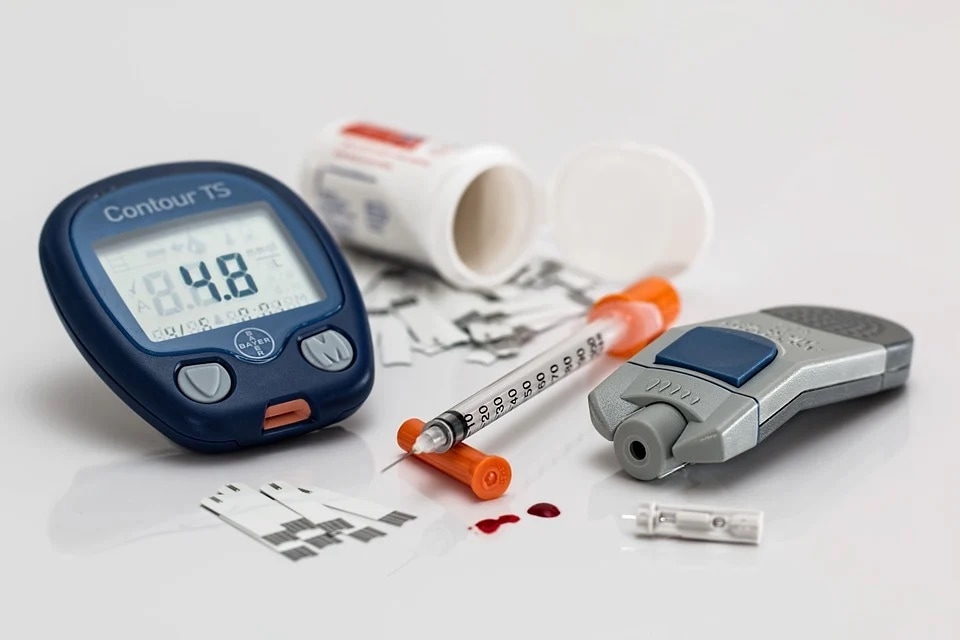
Diabetes can play havoc with your overall health in long run and if not controlled it can have grave consequences. It is said that longer you have diabetes and the less you control your blood sugar levels the risk of serious complications grow manifold. Untreated diabetes can trigger heart attack, stroke, kidney damage, dementia and depression. It can also have disastrous implications for your eyes and even lead to blindness.
Experts say that high blood sugar levels can take a huge toll on your eyes and cause damage to blood vessels of retina if not treated on time.
"High blood sugar weakens the blood vessels in your eyes. That can make them leak or grow out of control in your retina, the light-sensitive area at the back of your eye. This is called diabetic retinopathy," says Dr Girish Rao, Medical Director, Sankara Nethralaya, Chennai.
ALSO READ: Diabetes: 7 simple lifestyle changes to keep the metabolic disease at bay
Your risk of developing this complication increases over the period of time and consistently having uncontrolled sugar levels makes you more prone. The condition doesn't distinguish between type 1 or type 2 diabetes patients.
"Diabetic retinopathy happens when chronically high blood sugar levels damage the small blood vessels throughout your body, including your eyes. Once they’re damaged, blood vessels can start leaking blood and other fluids. A part of your eye called the retina can absorb some excess fluid. But when there’s too much fluid, you can experience swelling and thickening of the macula (DME), an area in the center of the retina that helps you see clearly and precisely," explains Dr Rao.
{{/usCountry}}"Diabetic retinopathy happens when chronically high blood sugar levels damage the small blood vessels throughout your body, including your eyes. Once they’re damaged, blood vessels can start leaking blood and other fluids. A part of your eye called the retina can absorb some excess fluid. But when there’s too much fluid, you can experience swelling and thickening of the macula (DME), an area in the center of the retina that helps you see clearly and precisely," explains Dr Rao.
{{/usCountry}}The best way to control diabetes is to get diagnosed at the earliest, start medication, and make healthy lifestyle changes. Some of the common symptoms of type 1 and type 2 diabetes are increased thirst, frequent urination, extreme hunger, unexplained weight loss, fatigue, blurred vision, irritability, slow healing sores, frequent skin infections among others.
People with diabetes are generally encouraged to eat food with high fibre and protein as they have low GI. Consuming high fibre foods such as whole grains, fruits, and vegetables can keep blood sugar levels in check. Staying active and doing physical exercises can also help control sugar levels.
Catch your daily dose of Fashion, Taylor Swift, Health, Festivals, Travel, Relationship, Recipe and all the other Latest Lifestyle News on Hindustan Times Website and APPs.
Catch your daily dose of Fashion, Taylor Swift, Health, Festivals, Travel, Relationship, Recipe and all the other Latest Lifestyle News on Hindustan Times Website and APPs.