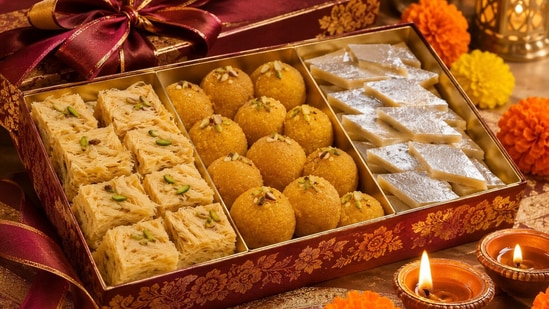
Celebrating with snacks, sweets, and elaborate feasts is part of the festival season, from kaju katli and gulab jamun to exquisite lunch spreads. But once the celebrations wind down, you feel guilt-ridden and look for a quick fix, turning to detox diets, skipping meals, and drinking only juices as a way to undo days of gluttonous indulgence. But is this the right way to go about it?ALSO READ: Protecting heart health: Cardiac surgeon reveals which morning habits to avoid, from high-salt breakfast to smoking with tea
Dr Sunil Kumar Mandal, senior consultant interventional cardiologist at Kailash Hospital, Greater Noida, discussed post-Diwali detox diets and alternatives to crash diets. The guilt that follows festive indulgence can push people towards drastic changes in their eating habits. Dr Mandal noted that this is a familiar pattern at his clinic after Diwali.
“Every year, the week after Diwali creates a predictable flow of patients to my clinic. People who have spent several days eating too many sweets, consuming too many fried foods, and staying up too late come in full of regrets. They usually plan to do some kind of ‘detox’ and suggest things like drinking lots of juice, eating almost nothing, or even some detox tea recommended by a friend," he said.
It is natural to worry about whether festive bingeing can affect your heart. According to the cardiologist, your heart does not need a detox. Dr Mandal recommended shifting the focus from restrictive diets to balanced meals, regular physical activity, and adequate sleep.
Why crash diets backfire
{{/usCountry}}It is natural to worry about whether festive bingeing can affect your heart. According to the cardiologist, your heart does not need a detox. Dr Mandal recommended shifting the focus from restrictive diets to balanced meals, regular physical activity, and adequate sleep.
Why crash diets backfire
{{/usCountry}}Crash diets come with promises of cleansing and detoxing. But the cardiologist cautioned that such approaches can be harmful. He noted that the body already carries out its own detoxification processes, with the liver and kidneys working to remove waste and harmful substances. The cardiologist described these cleanses as redundant.
Sharing the consequences of a detox diet, Dr Mandal elaborated, “Extreme dietary restrictions like skipping meals or going on juice diets cause rapid changes in your blood pressure and blood sugar. Additionally, using detox products can quickly reduce your body’s sodium and potassium levels. This is extremely dangerous, as these elements are crucial to maintain the regular beating of your heart.”
He especially warned people with pre-existing conditions like heart disease, diabetes or hypertension, particularly people taking medications; this can be extremely life-threatening.
What you should do instead
The cardiologist recommended the following steps to support heart health in the weeks after Diwali:
1. Get back to eating your normal three meals:
- Avoid missing breakfast because of your holiday splurging.
- Create meals centred around veggies, daal, whole grains, yoghurt, and a small portion of protein.
2. Stop eating too much salt and sugar
- Food eaten during festivals usually contains a large amount of salt and sugar, which can lead to high blood pressure and an increased amount of fluid in your body.
- It is alright to eat some sweets once in a while, but make sure the main components of your meals consist of fruit, nuts and home-made foods.
3. Good fats still need to be in your diet
- Do not remove fat entirely; try eating healthy fats such as unsaturated fats.
- Avoid consuming used oils, and minimise the amount of food you eat that has been fried.
- Nuts, seeds, and fish have good, healthy fats.
4. Develop a routine of physical activity
- Even just 30 minutes of a fast-paced walk five days a week will help you get in shape.
- If you’re not able to walk outside, do exercise inside for now.
- Also important to pay attention to air quality before going out. Air quality is not good after Diwali in many parts of India, especially the North.
5. Don’t compromise your sleep
- Late nights and an irregular schedule affect the levels of stress hormones in your body and can also lead to higher blood pressure.
- The goal should be 7-8 hours.
When to go to the doctor
The expert flagged symptoms such as chest discomfort, unusual shortness of breath, palpitations, dizziness, fainting or pain radiating to the back or arm as warning signs requiring immediate medical attention. He also advised those with persistently high blood pressure or blood sugar, or a family history of heart disease, to get a full checkup.
The cardiologist concluded, “Having fun over the holidays for a short period is not going to hurt a healthy heart, as is the case for being on a very strict diet for a short time and expecting results. For total protection, stick with your diet, keep active, get plenty of rest, and take your medicines at the correct time.”
Note to readers: This article is for informational purposes only and not a substitute for professional medical advice. Always seek the advice of your doctor with any questions about a medical condition.
Catch your daily dose of Fashion, Taylor Swift, Health, Festivals, Travel, Relationship, Recipe and all the other Latest Lifestyle News on Hindustan Times Website and APPs.
Catch your daily dose of Fashion, Taylor Swift, Health, Festivals, Travel, Relationship, Recipe and all the other Latest Lifestyle News on Hindustan Times Website and APPs.