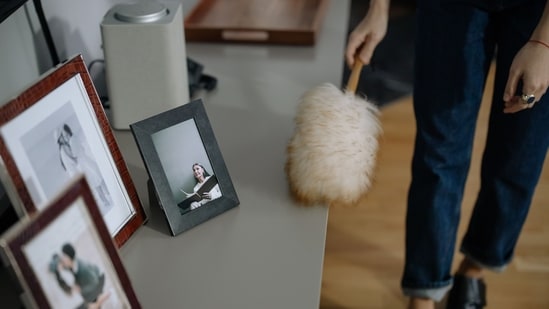
When we think of air pollution in a cityscape, we usually tend to think of the outdoors, places where traffic fumes, construction dust, and smog are usually seen. However, according to Dr LM Darlong, the air inside a home can carry pollutants as well.
Also Read | Did you know about the hidden allergy hotspots that you visit every day? Dr Ashish Kumar Prakash explains
In an interaction with HT Lifestyle, Dr Darlong shared that repeated exposure to indoor pollutants may affect the respiratory system, particularly in children, older adults and people who already have asthma or other lung conditions. He went on to highlight what the pollutants are and where in our homes they may be found, which is presented as follows.
Household dust is a major issue
When it comes to indoor pollutants, household dust is the most common culprit. It can contain dust mites, pet dander, mould spores and fine particles that irritate sensitive airways.
In the words of Dr Darlong, “A dusty room may seem harmless, but for someone with allergies or asthma, it can be enough to trigger coughing, wheezing or breathlessness. Poor ventilation can make matters worse because these particles remain trapped indoors.”
Pollutants in the kitchen
{{/usCountry}}In the words of Dr Darlong, “A dusty room may seem harmless, but for someone with allergies or asthma, it can be enough to trigger coughing, wheezing or breathlessness. Poor ventilation can make matters worse because these particles remain trapped indoors.”
Pollutants in the kitchen
{{/usCountry}}The kitchen deserves special attention. As Dr Darlong explained, “Frying and other high-temperature cooking can release fine particles into the air. Gas stoves and other combustion-based cooking methods may produce additional pollutants.”
If the kitchen has poor ventilation, these can linger long after the meal has been prepared. Using a chimney or exhaust fan while cooking can help move the polluted air outside.
Daily essentials that create pollutants
Some sources of indoor pollutants are less obvious and are objects of daily use. These include things like incense sticks, mosquito coils, scented candles, cigarette smoke, air fresheners and strongly fragranced cleaning products, all of which can release particles or volatile organic compounds.
“These may irritate the eyes, nose, throat and lungs, and can aggravate symptoms in people with sensitive airways,” noted Dr Darlong.
The trouble with dampness
Dampness is another problem that is easy to miss, pointed out the doctor. A leaking pipe, seepage behind furniture or a poorly ventilated bathroom can encourage mould growth.
“Sometimes the mould is visible. Sometimes a persistent musty smell is the first clue. For people with mould allergies or asthma, exposure can worsen respiratory symptoms,” cautioned Dr Darlong.
What to do about indoor pollutants?
As Dr Darlong explained, improving indoor air quality does not necessarily mean buying expensive equipment.
“Ventilate rooms when outdoor air quality is reasonable, use an exhaust while cooking, clean air-conditioning filters regularly, reduce smoke-producing products and repair leaks promptly,” he shared.
“Regular dusting and vacuuming can also reduce indoor allergens. Air purifiers may help in some situations, but they cannot compensate for a continuing source of pollution.”
If an individual is coughing, wheezing, experiencing chest tightness, or breathlessness that repeatedly gets worse at home, it is best not to dismiss the pattern. “Along with seeking medical advice, it may be worth looking closely at what you are breathing indoors,” stated Dr Darlong.
Note to readers: This article is for informational purposes only and not a substitute for professional medical advice. Always seek the advice of your doctor with any questions about a medical condition.
Dr LM Darlong is the head of the department of thoracic oncosurgery at the Rajiv Gandhi Cancer Institute and Research Centre in New Delhi.
Catch your daily dose of Fashion, Taylor Swift, Health, Festivals, Travel, Relationship, Recipe and all the other Latest Lifestyle News on Hindustan Times Website and APPs.
Catch your daily dose of Fashion, Taylor Swift, Health, Festivals, Travel, Relationship, Recipe and all the other Latest Lifestyle News on Hindustan Times Website and APPs.