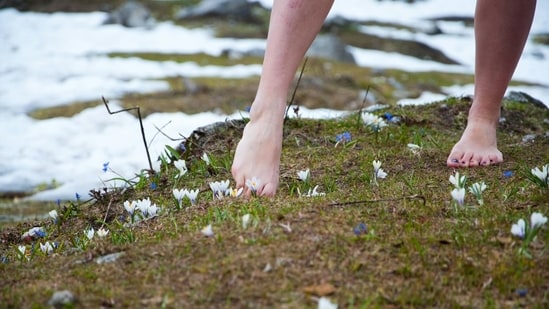
Have you ever noticed that your feet feel cold even when the rest of your body feels warm? Whether you are sitting in an air-conditioned room or relaxing at home, cold feet can be an uncomfortable experience. In this edition of Everyday Explained, HT Lifestyle spoke to Dr Palleti Siva Karthik Reddy, consultant physician at Elite Care Clinic, Bangalore, to understand the science behind this.
Why do your feet feel colder than the rest of your body?
According to Dr Reddy, the feet are often colder than the rest of the body because they are located farthest from the heart, making them particularly sensitive to changes in blood circulation and temperature. The body prioritises maintaining the temperature of vital organs such as the heart and brain. “When exposed to cold temperatures, blood vessels in the extremities constrict to reduce heat loss, which can make the feet feel noticeably colder,” highlighted Dr Reddy.
What does permanent cold feet indicate?
According to Dr Reddy, persistently cold feet, especially when they feel cold even in a warm environment, may sometimes indicate an underlying health condition. One possible cause is poor peripheral circulation, where reduced blood flow to the feet limits the delivery of warm blood to the tissues. Peripheral artery disease, which occurs due to narrowing of the arteries, can cause coldness, pain while walking, numbness or slow-healing wounds. The risk is higher among people with diabetes, high cholesterol, hypertension and those who smoke.
{{/usCountry}}According to Dr Reddy, persistently cold feet, especially when they feel cold even in a warm environment, may sometimes indicate an underlying health condition. One possible cause is poor peripheral circulation, where reduced blood flow to the feet limits the delivery of warm blood to the tissues. Peripheral artery disease, which occurs due to narrowing of the arteries, can cause coldness, pain while walking, numbness or slow-healing wounds. The risk is higher among people with diabetes, high cholesterol, hypertension and those who smoke.
{{/usCountry}}“Another important cause is hypothyroidism, a condition in which the thyroid gland produces insufficient hormones, slowing the body's metabolism and reducing heat production. People with hypothyroidism may experience cold intolerance along with fatigue, weight gain, dry skin and constipation,” highlighted Dr Reddy. Anaemia, particularly iron-deficiency anemia, can also contribute to feeling unusually cold because reduced haemoglobin levels affect the blood's ability to carry oxygen efficiently.
Occasional cold feet are generally not a cause for concern, particularly in cold weather or after prolonged inactivity. Keeping the feet warm, wearing appropriate socks, staying physically active and avoiding smoking can help. Regular movement encourages circulation, especially for individuals who spend long hours sitting.
However, if cold feet are persistent, unexplained or accompanied by tingling, numbness, pain, changes in skin colour or wounds that do not heal, medical evaluation is advisable. A physician may assess circulation, nerve function and relevant risk factors, and recommend blood tests to check for conditions such as anemia, diabetes or thyroid dysfunction.
Note to readers: This article is for informational purposes only and not a substitute for professional medical advice. Always seek the advice of your doctor with any questions about a medical condition.
Catch your daily dose of Fashion, Taylor Swift, Health, Festivals, Travel, Relationship, Recipe and all the other Latest Lifestyle News on Hindustan Times Website and APPs.
Catch your daily dose of Fashion, Taylor Swift, Health, Festivals, Travel, Relationship, Recipe and all the other Latest Lifestyle News on Hindustan Times Website and APPs.