
 E-Paper



Gastroenterologist shares why ultra-processed foods are as addictive as smoking

 Prefer HTon Google


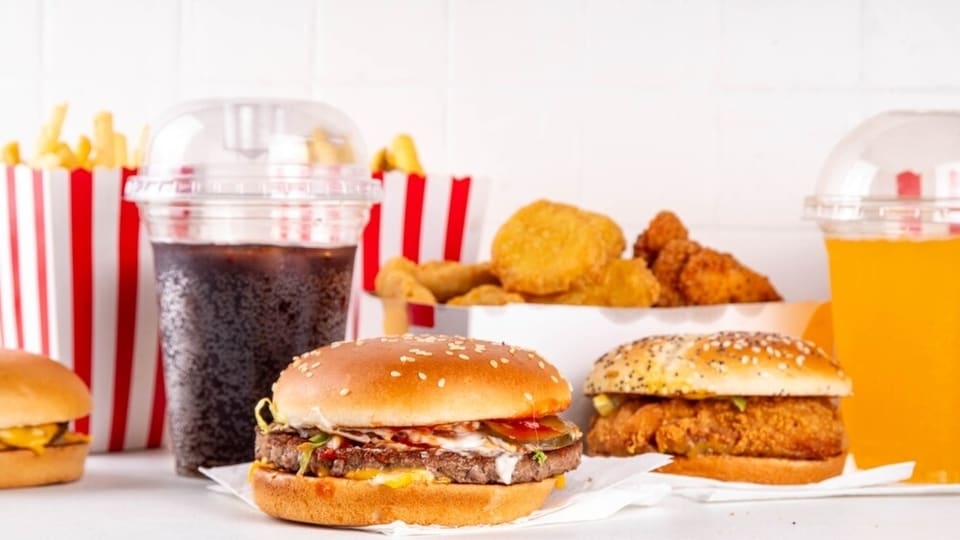
Ultra-processed foods are hard to resist and often leave you wanting more. The addiction is somewhat similar to how the brain reacts to smoking or drug use.
Smoking is dangerous, with big warning labels on the packages, but still, smokers can’t resist that one pull, again falling back into old habits. People are well aware of its fatal repercussions on health, but still find it challenging to step away.
Similarly, ultra-processed junk food carries a comparable nature and risk. It’s a no-brainer that these colourful, crunchy snacks wreak havoc on your health, but still, they make up the majority of our favourite or comfort food. They have become go-to treats for celebratory occasions like birthdays, hangouts, cheat meals, or even comforting pick-me-ups on low-mood days.
In an interview with HT Lifestyle, Dr Shubham Vatsya, senior consultant, gastroenterology and hepatology at Fortis Hospital, Vasant Kunj, weighed in on the comparable risks and addictive nature of junk food and smoking.
Sharing a basic lowdown on the mainstream favourite snacks which typically include ultra processed foods, Dr Shubham said, “Ultra processed foods (UPFs) are flooded in grocery shops, but they are not healthy, rather full of unhealthy fats, excess sugar and salt and artificial additives too. There is substantial scientific evidence, too, that displays the deteriorating health impacts of these foods, which are quite comparable to smoking. They are highly linked with obesity, heart diseases, cancer and even early death."
Is junk food as addictive as smoking?
The alluring pull of your favourite snacks, mostly ultra-processed foods like greasy, cheesy burgers from fast food chains or packaged chips, is hard to resist. Much like smoking, where mood regulation becomes difficult, junk food addiction can also negatively impact emotional wellbeing.
Dr Vatsya highlighted that the brain responds to junk food consumption in a very similar manner to how it responds to cigarettes. He said, “Yes, food addiction is real, and the science backs it. The mechanism associated with this linkage is the activation of the same dopamine pathways in the brain that get activated by cocaine and cigarette consumption. High amounts of sugar, salt and fat create a dopamine hit, mishandle your body’s hunger cues and make you overeat. Just like cigarettes, these snacks often become emotional crutches, used to cope with boredom, stress, or social pressure. Over time, the cycle becomes hard to break.”
Why do your favourite snacks feel rewarding?

But why do junk foods feel so addictive, making you keep eating even when you are full? Some may attribute it to a lack of willpower, but there's an underlying biological mechanism that's working here. These foods are prepared to appease the brain’s reward system, making you crave more.
The gastroenterologist elaborated how this works and said, "UPFs include chips, instant noodles, soft drinks, packaged desserts, processed meats, and flavoured yoghurts — basically anything that has a long ingredient list filled with substances you don’t recognise. They’re engineered to be hyper-palatable, triggering the brain’s reward system much like nicotine does. That’s why stopping after just one cookie or one handful of chips feels nearly impossible.”
Note to readers: This article is for informational purposes only and not a substitute for professional medical advice. Always seek the advice of your doctor with any questions about a medical condition.


Catch your daily dose of Fashion, Taylor Swift, Health, Festivals, Travel, Relationship, Recipe and all the other Latest Lifestyle News on Hindustan Times Website and APPs.


