
 E-Paper



Why do Indian sweets have silver layer on top?

 Prefer HTon Google


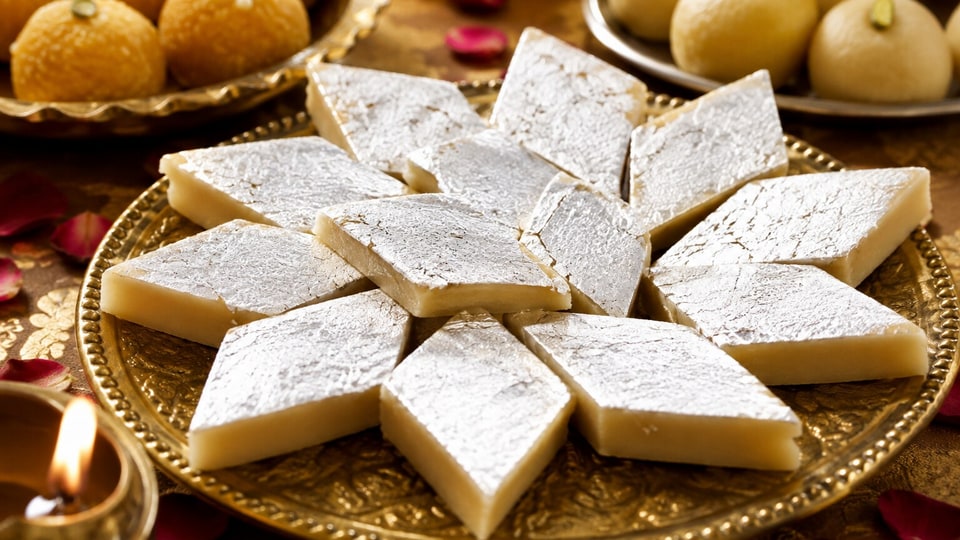
Ever wondered why kaju katli, barfi and peda often come with a delicate silver layer on top? Find out the reason behind this centuries-old mithai tradition.
If you have ever picked up a piece of kaju katli, barfi or peda, chances are you have noticed the thin, shiny silver layer on top. Known as vark, varak or warq, edible silver leaf has long been associated with Indian sweets and festive food. But why do traditional mithai makers use silver? Is it purely decorative, or does the practice have a deeper history? Let’s find out. (Also read: Everyday explained: Why do airplane windows have rounded edges? )
What exactly is silver vark
Vark is an extremely thin sheet of edible silver. It is made by repeatedly hammering silver until it becomes so thin that it can be placed delicately over sweets and other foods. Unlike ordinary silver foil, food-grade vark is specifically produced for culinary use. It is generally made from highly pure silver and is used in very small quantities.
Why is silver used on Indian sweets
Silver and gold have historically been associated with purity, prosperity and luxury in Indian culture. Over time, precious metals became a feature of royal and festive cuisine, where they were used to make dishes look more elaborate.
Silver also has antimicrobial properties, which contributed to its historical association with food preservation. However, there is limited evidence that the extremely thin layer of vark used on modern sweets significantly extends their shelf life. Today, its main purpose is decorative and cultural.
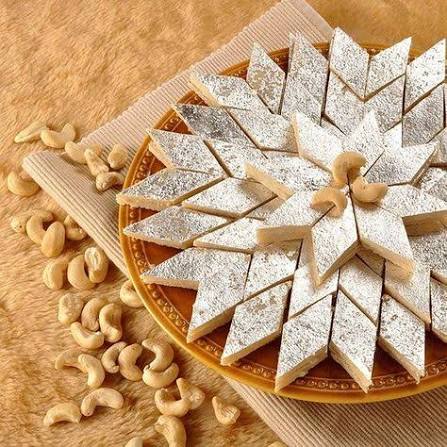
Is there a cultural significance to vark
Silver has traditionally held a special place in Indian culture and has been associated with purity, prosperity and auspicious occasions. This helped edible silver become a familiar feature of sweets prepared for festivals, weddings and religious celebrations.
The use of vark therefore isn't simply about making a sweet look attractive. For many, it has become part of the visual identity of celebratory Indian food.
Does silver vark have health benefits
Silver has been associated with various traditional health claims, but edible vark should not be considered a health supplement. It does not provide essential nutrition, and there is no established health benefit from the tiny amount used on sweets.
Food-grade silver leaf is intended for culinary use, but consumers should ensure that the product is genuinely made for food consumption and not decorative metallic foil.
Is silver vark safe to eat
Food-grade silver leaf is intended to be consumed in the tiny quantities used to decorate sweets. However, the quality and manufacturing process matter. Consumers should be cautious about products that may contain imitation foil or non-food-grade metals. Genuine edible vark should be manufactured specifically for food use and meet applicable food-safety standards. This is particularly important because not every shiny foil used for decorative purposes is necessarily edible.


