
 E-Paper



Washing vs dry cleaning: How to choose the right cleaning method for silk, woollens and everyday clothes

 Prefer HTon Google


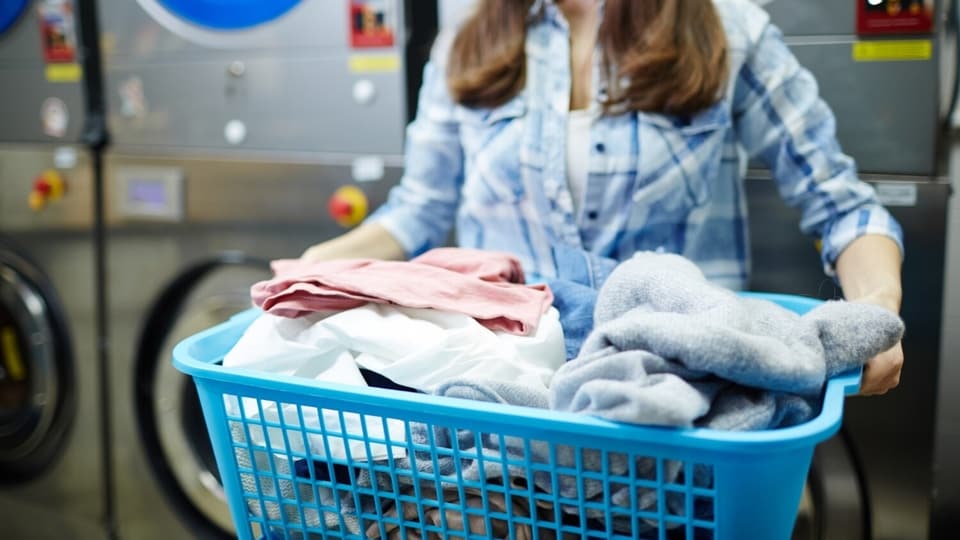
Different fabrics need different cleaning methods, and treating washing and dry cleaning as interchangeable can damage colour, texture and garment life.
Wardrobes are full of a variety of fabrics, each catering to a different occasion: cotton shirts for work, silk sarees for bridal showers, and woollen jackets for chilly days. Just as these garments serve different purposes, they also have different cleaning needs. If everything is lumped together into the washing machine, risks of damaging colour and texture may be serious.
You need to understand the difference between dry cleaning and washing. Otherwise, you risk shortening your clothes' lifespan. Deciding which clothes to wash at home and which require professional care requires due diligence.
Nishant Tripathi, founder and CEO of Dhobilite, a technology-enabled laundry and dry-cleaning business, walked us through choosing the right cleaning method for different fabrics and avoiding common mistakes.
Tripathi flagged the biggest laundry mistake: “We often treat washing and dry cleaning as interchangeable ways of cleaning clothes. They are not.”
Here's his guide on how to distinguish between washing and dry cleaning for each fabric:
A. Washing vs dry cleaning
1. When washing makes sense:

- Washing is generally suitable for fabrics designed to handle water and regular cleaning.
- Cotton, linen, and many everyday synthetic garments can often be washed at home, provided the care instructions allow it.
- For washing, make sure to separate colours, especially darker and brighter garments; avoid unnecessarily hot water, do not overload the machine, use an appropriate detergent, and avoid excessive quantities.
2. When dry cleaning makes sense:
- Dry cleaning is useful for garments that are sensitive to water or that need more specialised treatment.
- Structured jackets, suits, some woollens, certain silks, heavily embellished garments and some delicate formalwear may require professional cleaning.
- The reason is not that they are ‘expensive.’ Their construction, fibre composition, dyes, linings, trims and embellishments can make conventional washing unsuitable.
- A blazer, for example, is not just a piece of fabric. It has layers, shaping and often internal structure. Washing it like a T-shirt can change its fit and appearance.
- Delicate garments may lose their finish, colour intensity or shape when exposed to unsuitable washing conditions.
B. Fabrics
1. Silk
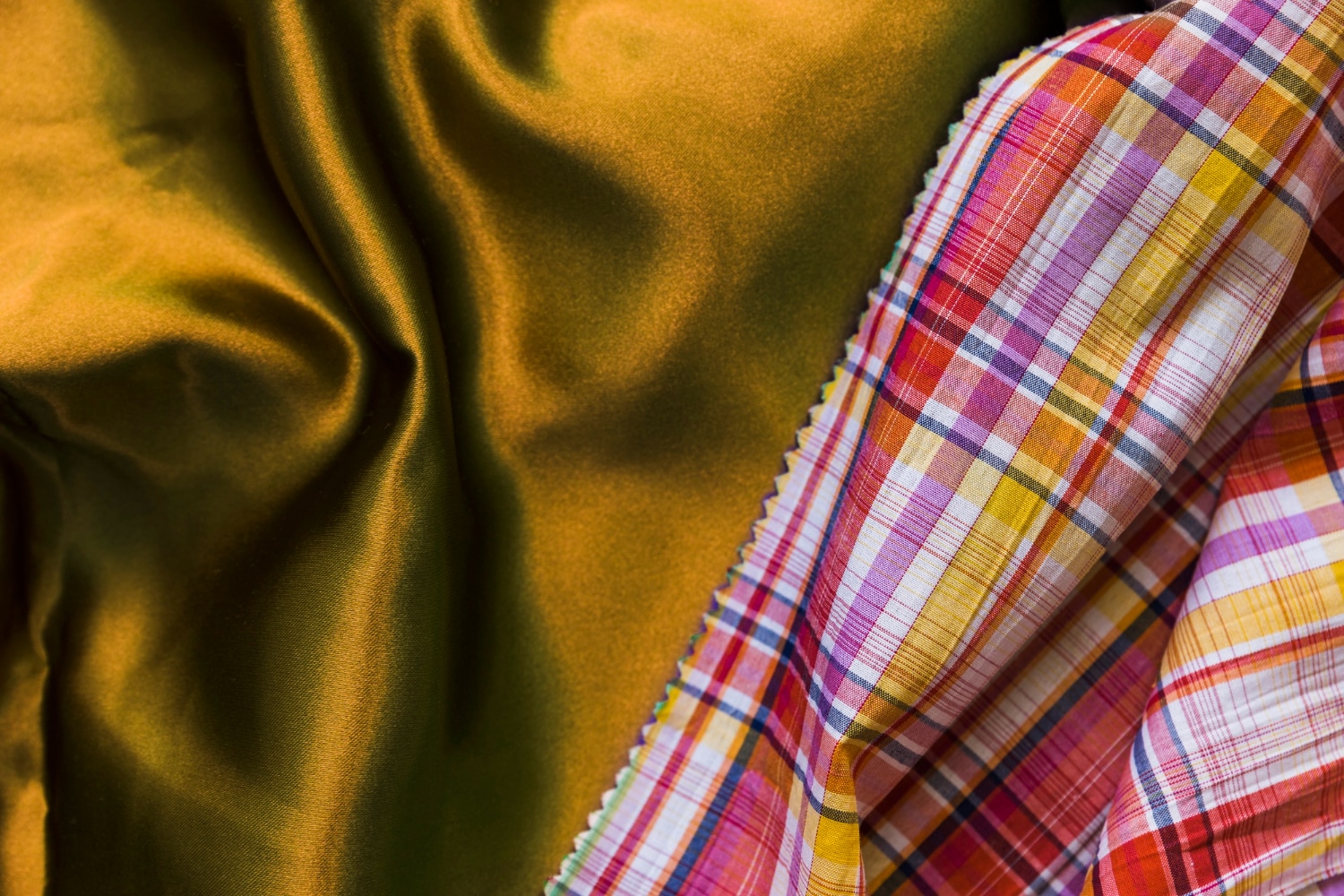
- Some silk garments can be hand washed under specific conditions, while others are better handled professionally. Water temperature, detergent, agitation and drying can all affect silk.
- Sarees and occasionwear can be particularly complicated because the fabric may be combined with zari, embroidery, lining or other decorative elements.
- The practical solution is to follow the specific care instructions rather than treating every silk garment the same way.
2. Woollen
- Wool can shrink, lose shape or develop a different texture if handled incorrectly.
- Sweaters and woollen garments should not automatically be treated like cotton clothing. Many need gentle handling, careful drying and, depending on the garment, professional cleaning.
- One common mistake is putting woollen clothes through a high-temperature wash or dryer because they appear sturdy.
- May get smaller, tight or misshapen, if not professionally washed.
3. Synthetic
- Polyester, nylon, acrylic and blended fabrics are considered easy-care materials, but they still have individual requirements.
- Some synthetic garments tolerate machine washing well. Others may have coatings, prints, padding or finishes that require gentler treatment.
- Sportswear is a good example. Performance garments may be designed to manage moisture and body heat, and using the wrong detergent, temperature, or drying method can affect their functional finish over time.
C. Clothes with embroidery and embellishment
- A garment may be made from a washable fabric but still require professional care because of what has been added to it.
- Sequins, beads, embroidery, metallic threads, glued embellishments, stones and decorative borders can react differently to water, heat and cleaning chemicals.
- This is why a heavily embellished blouse cannot always be treated like an ordinary cotton blouse, even if both are made primarily from cotton.
D. Dealing with stains
- Avoid rubbing a stain aggressively or immediately applying a household product. Rubbing can push a stain deeper into the fabric, while an unsuitable chemical can affect colour or fibre.
- Check if the fabric requires professional treatment. For delicate garments, informing a professional cleaner about the nature of the stain can help determine the appropriate treatment.
In the end, the expert concluded by underlining the cardinal rule, "Before deciding how to clean a garment, check its care label. It may seem like a small detail, but the label usually tells you whether the garment can be machine washed, hand washed, dry cleaned, tumble dried or handled at a particular temperature. This is especially important for garments made from blended fabrics or those with special finishes. A useful rule is simple: when the label says professional cleaning is required, avoid experimenting at home."


Catch your daily dose of Fashion, Taylor Swift, Health, Festivals, Travel, Relationship, Recipe and all the other Latest Lifestyle News on Hindustan Times Website and APPs.


