
 E-Paper



Hantavirus explained: Can it spread from person to person? Bengaluru doctor reveals everything Indians should know

 Prefer HTon Google


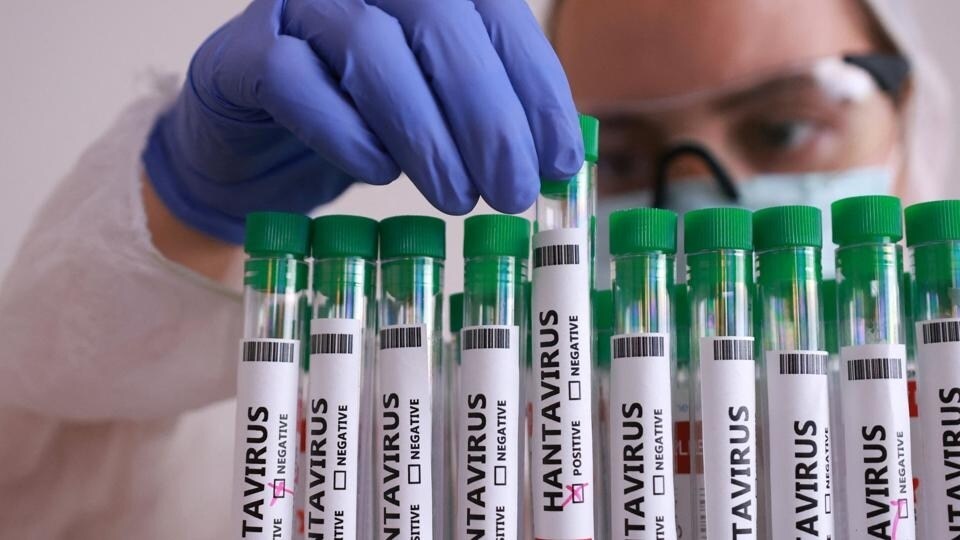
Hantavirus infections have raised public anxiety, but does it really spread like Covid-19? Doctor explains how the virus is transmitted.
As global health awareness remains at an all-time high, reports of hantavirus infections have sparked questions regarding its potential to mirror recent respiratory pandemics. However, medical experts are moving to clarify the distinct nature of this virus, sharing that it does not share the same transmission dynamics as Covid-19. Also read | Hantavirus infection rare, India has nothing to worry: Govt official
Dr Aravinda SN, lead consultant, internal medicine, Aster RV Hospital, Bengaluru, addressed these concerns and provided a clear framework for understanding how the virus actually operates, in a statement to HT Lifestyle.
Debunking hantavirus pandemic fears
According to Dr Aravinda, the primary source of public concern stems from a misunderstanding of how the virus moves through a population. "The recent increase in hantavirus infections throughout the world has created public anxiety because people now believe it might evolve into a new global pandemic," Dr. Aravinda said.
He was quick to differentiate it from more familiar contagious threats, stating, "Hantavirus transmission operates through different mechanisms than those of highly contagious respiratory diseases, such as Covid-19." Also read | Hantavirus alert: Full list of countries directly or indirectly affected by cruise ship outbreak
How hantavirus transmission actually occurs
The virus is strictly zoonotic, meaning it jumps from animals — specifically rodents — to humans, Dr Aravinda explained. He shared, "Humans contract the virus through direct contact with infected rodents, which carry the virus in their urine, saliva, and droppings."
The danger often lies in the air within enclosed, neglected spaces, Dr Aravinda sad as he detailed the process of infection: "Individuals contract the infection because they breathe in particles which contain the virus that become airborne during the process of cleaning spaces which lack proper ventilation."
What are the high-risk areas? He said that these include "sheds, storerooms, cabins and unused buildings." Regarding whether the virus can leap from one person to another, Dr Aravinda said, "Human-to-human transmission is extremely uncommon. Most hantavirus strains reported in North America and several other regions cannot spread between individuals according to existing research."
Prevention of hantavirus and proper hygiene
Because the virus lacks the 'capacity to spread through large populations in the same way that airborne respiratory viruses do', the focus of health advice remains on rodent control and specific cleaning protocols, according to Dr Aravinda.
"People should avoid contact with rodents and maintain proper hygiene to protect themselves from potential infections," Dr Aravinda advised. He urged the public to "maintain cleanliness in their homes, workplaces, and food storage areas to protect against rodent infestations."
Safe cleaning practices to counter hantavirus
Dr Aravinda warned against common cleaning habits that might actually increase the risk of infection. "One should avoid using dry sweeping or vacuuming methods to clean rodent waste because these methods will spread infectious materials into the surrounding air," he explained.
Instead, according to Dr Aravinda, the following precautions should be taken:
⦿ Protective gear: "People should use gloves, masks, and disinfectants when they perform cleaning work in contaminated areas," he said.
⦿ Understanding group outbreaks: While multiple people may fall ill at once, Dr Aravinda clarified, "Environmental exposure is the main cause of outbreaks in group settings such as cruise ships and shared accommodations, as people do not transmit the disease directly to each other."
⦿ In these scenarios, the common denominator is usually a shared, contaminated space. "Multiple individuals can become infected through poorly maintained cabins and contaminated food storage areas and rodent-infested surroundings," Dr Aravinda concluded.
Note to readers: This article is for informational purposes only and not a substitute for professional medical advice. Always seek the advice of your doctor with any questions about a medical condition.


Catch your daily dose of Fashion, Taylor Swift, Health, Festivals, Travel, Relationship, Recipe and all the other Latest Lifestyle News on Hindustan Times Website and APPs.


