
 E-Paper



All you need to know about human hantavirus linked to human-to-human transmission on cruise ship: Symptoms, safety

 Prefer HTon Google


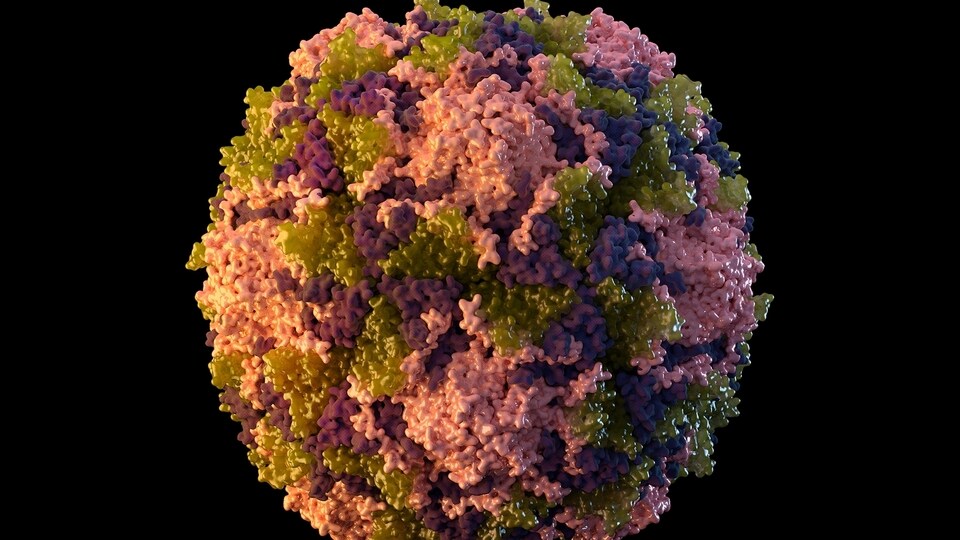
Hantavirus poses severe health risks, with 38% mortality from respiratory symptoms. The cruise ship case raises alarm over potential human-to-human spread.
On May 2, 2026, a cluster of passengers with severe respiratory illness aboard a cruise ship, carrying 147 passengers and crew, was reported to the World Health Organisation (WHO). Out of these, two cases of hantavirus were confirmed, and five suspected cases were identified, including three deaths, one critically ill patient, and three individuals reporting mild symptoms.
Also Read | ‘Ivermectin should work…’: Doctor gives possible Hantavirus solution after Georgia update
The WHO reported that no rats were onboard the ship that was hit by hantavirus. Since the disease is usually spread by contact with infected rodents, it is suspected that this is a rare case of human-to-human transmission. So, what exactly is this virus? Here's everything you need to know about it:
What is human hantavirus?
According to the CDC (Centres for Disease Control and Prevention), hantaviruses are a family of viruses that can cause serious illnesses, such as hantavirus pulmonary syndrome (HPS) and hemorrhagic fever with renal syndrome (HFRS), and even death. They are spread mainly by rodents.

Moreover, humans usually contract hantavirus through contact with rodents, such as rats and mice, especially through their urine, droppings, and saliva. It can also spread through a bite or scratch from a rodent, but this is rare.
According to the WHO, the rare case of human-to-human transmission of hantavirus on the cruise ship may have occurred because the infected individuals were already ill before boarding. It might have occurred during activities such as birdwatching. After they boarded the vessel, human-to-human transmission may have taken place on board, the WHO stated.
Signs and symptoms
Hantavirus cardiopulmonary syndrome (HCPS), also known as hantavirus pulmonary syndrome (HPS), is a viral respiratory disease. In humans, symptoms usually begin between one and eight weeks after exposure and typically include fever, headache, muscle aches, and gastrointestinal symptoms such as abdominal pain, nausea, or vomiting.
Early symptoms can include:
- fatigue
- fever
- muscle aches, especially in the large muscle groups like the thighs, hips, back, and sometimes shoulders
About half of all HPS patients also experience:
- headaches
- dizziness
- chills
- abdominal problems, like nausea, vomiting, diarrhoea, and abdominal pain

Moreover, the WHO warns that HPS can be deadly. Thirty-eight percent of people who develop respiratory symptoms may die from the disease. The more severe form of the disease is hemorrhagic fever with renal syndrome (HFRS). It can affect the kidneys and usually develops within one to two weeks after exposure. Its symptoms include:
- intense headaches
- back and abdominal pain
- fever/chills
- nausea
- blurred vision
- People may have flushing of the face, inflammation or redness of the eyes, or a rash.
Later symptoms can include:
- low blood pressure
- lack of blood flow (acute shock)
- internal bleeding (vascular leakage)
- acute kidney failure, which can cause severe fluid overload
Precautions and safety
To protect yourself from the virus, the WHO recommends avoiding or minimising contact with rodents in the home, workplace, or other places you frequent. Additionally, seal holes and gaps in your home or garage to keep rodents from entering.
Note to readers: This article is for informational purposes only and not a substitute for professional medical advice. Always seek the advice of your doctor with any questions about a medical condition.


Catch your daily dose of Fashion, Taylor Swift, Health, Festivals, Travel, Relationship, Recipe and all the other Latest Lifestyle News on Hindustan Times Website and APPs.


