
 E-Paper



Measuring ‘toxic masculinity’: Scientists’ attempt to quantify the term hints at which group fits the worst profile

 Prefer HTon Google


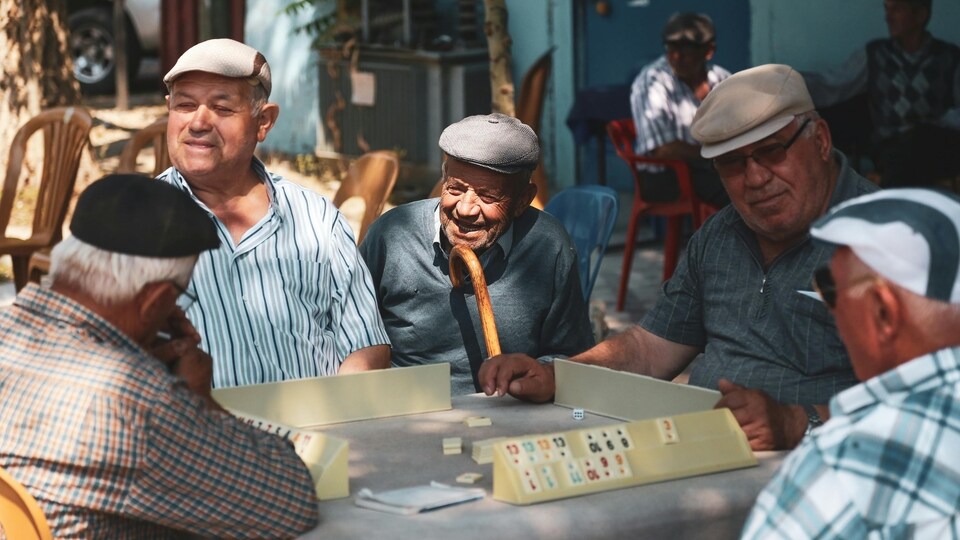
Toxic masculinity has been a controversial term that has dominated sociological conversations of late. Scientists now attempt to analyse it academically.
Coined in the 1980s, the term ‘toxic masculinity’ proposes the idea that some human traits that are deemed stereotypically ‘masculine’ can have a negative impact on society. Such traits include dominance and aggression, and in the present day, appear in the form of a wide range of behaviours which include sexual violence, homophobia, or even refusal to do household chores.
While social scientists have long studied how gender-based expectations can affect men, the term ‘toxic masculinity’ itself did not receive much attention. As Steven Sanders, psychology researcher at Oregon State University in Corvallis, puts it, “Nobody measures it.”
To address the lack of quantitative data in the study of the term, Sander and his colleagues came up with a ‘toxic masculinity scale.’ It comprises 28 questions to assess the degree of toxicity in men, and was applied to white male university students in the United States, according to a report by Nature.
The report further adds that psychology doctoral candidate Deborah Hill Cone at the University of Auckland in New Zealand and her colleagues have added to the subject with a study published in the 2026 edition of Psychology of Men & Masculinities.
Identifying categories of toxic masculinity
Researchers at the University of Auckland identified eight indicators of toxic masculinity in heterosexual adult men in Western societies.
They took a broader approach and looked at both hostile and benevolent sexism. The former includes the belief that women seek to control men to gain power, while the latter incorporates the idea that women should be protected and cherished by men.
The study showed that the respondents fell into five groups. The largest group, with 35.4 percent of respondents, were categorised as ‘atoxic,’ while the smallest, with only 3.2 percent, was ‘hostile toxic.’
Between these two extremes were two moderate groups, one in which the men were somewhat tolerant of sexual and gender minorities, and another where men were more sexist but less hostile.
Men who were “older, single, unemployed, religious or an ethnic minority, as well as those high on scales of political conservatism, economic deprivation or emotional dysregulation, or who had a low level of education” had higher chances of being profiled as ‘hostile toxic.’
More importantly, how important being a man was to an individual’s sense of self was not a good indicator of which group they landed in. As Hill Cone observed, “‘Manly’ men are not necessarily toxic. There is positive masculinity.”
Importance of studying toxic masculinity
According to Michael Flood, a researcher of men, masculinities and violence prevention at Queensland University of Technology in Brisbane, studies which aim to quantify toxic masculinity can be used to “better tailor interventions addressing harmful forms of masculinity to specific cohorts of men.”
However, cultural differences of the study region also have a role to play. As Ryon McDermott, a psychologist at the University of South Alabama in Mobile, noted, the study by Hill Cone and her colleagues may show different results with a “different sample.”
Such studies also highlight how some traits that are commonly associated with toxic masculinity, such as competitiveness or dominance, are beneficial to individuals of all genders in moderation, noted McDermott, adding that it is the rigid and extreme ideas that cause trouble.
Note to readers: This article is for informational purposes only and not a substitute for professional medical advice. Always seek the advice of your doctor with any questions about a medical condition.


Catch your daily dose of Fashion, Taylor Swift, Health, Festivals, Travel, Relationship, Recipe and all the other Latest Lifestyle News on Hindustan Times Website and APPs.


