
 E-Paper



Yoga helps break toxic masculinity? Psychologist shares 4 poses to overcome emotional barriers

 Prefer HTon Google


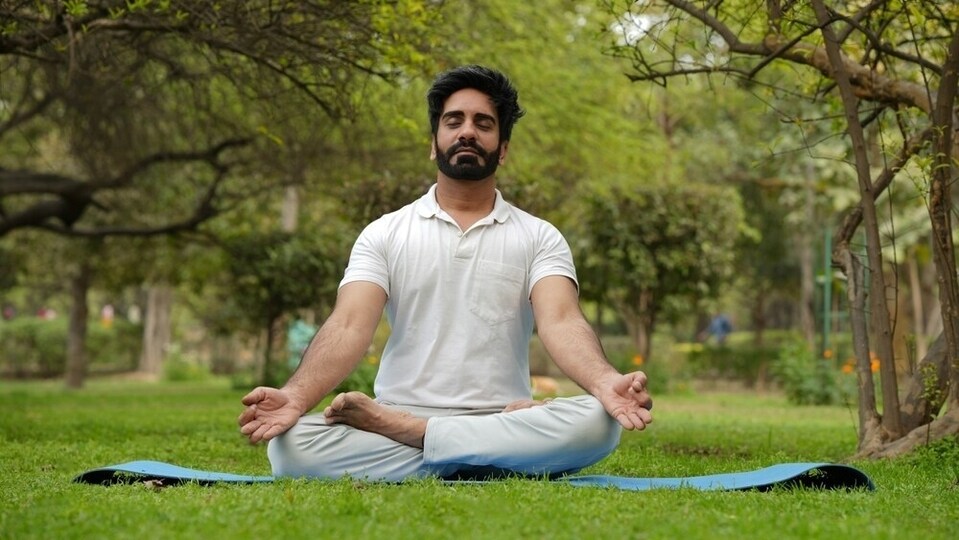
Men suffer from emotional barriers due to over imposing masculine standards that discourage expressiveness. Yoga is one way to relieve the stress.
Men are often told to stand tall, not cry and ‘act like a man’ - a toxic standard set by the outdated ideas of masculinity. This pressure forces them to bottle up their emotions, but just because these emotions are not visibly expressed, it doesn't mean they have disappeared. They are still very much present and continue to fester beneath the surface, and over time, worsen mental health. Caught in between a tug of war of true self-expression and societal expectations to conform and fit in, many men struggle in silence.
ALSO READ: 5 self care tips for men to conquer burnout and boost performance
In an interview with HT Lifestyle, psychologist Christie Saju, HCAH Lead Operations at LISSUN, explained how yoga helps, giving a sense of clarity for the emotional entanglement. Christie explained how yoga is one of the alternative therapeutic avenues.
He said, “For men who might hesitate to pursue conventional therapeutic avenues, yoga offers an accessible, primarily non-verbal pathway to initiate profound emotional healing. Participating in group sessions, particularly those designed for men, cultivates crucial camaraderie and understanding, effectively diminishing the isolation that often accompanies emotional suppression. Through dedicated practice, yoga empowers men to transcend habitual emotional restraint, replacing outdated demands for stoic toughness with enduring emotional balance, true resilience, and deeper relational capacity. Despite all this, it is highly recommended that men who are struggling with mental health issues should come forward for psychotherapy and counselling."
How does yoga help?
Christie added how yoga helps to alleviate the male emotional barrier by helping them be more mindful. It encourages better introspection, helping them to breakfree from the outdated norms.
He elaborated, “Societal norms frequently pressure men to equate emotional expression with weakness, fostering a pattern of bottling up feelings. This suppression fuels chronic stress, strains personal bonds, and complicates professional interactions. Yoga emerges as a potent antidote, uniquely integrating physical postures (asanas), deliberate breathwork (pranayama), and mindful presence to dismantle these ingrained emotional blockades. By cultivating focused awareness, yoga provides a safe container for men to observe their inner landscape without judgment."
Moreover, holding the yoga asanas also requires focus, which helps one become mentally resilient. Christie added, “Learning to maintain focus through physical discomfort in poses simultaneously builds profound mental resilience. Furthermore, yoga powerfully confronts restrictive masculine stereotypes. Dynamic styles, including Power Yoga, or strength-building postures like Warrior II, demonstrate that physical rigour and emotional openness are not mutually exclusive. Yoga directly counters the exhausting burden of constant composure. Practices involving deep, rhythmic breathing and calming postures help.”
What yoga asanas and breathwork to include in routine?

Christie listed out yoga poses and breathwork that help men become resilient and overcome emotional barriers:
- Alternate nostril breathing (Pranayama): Helps men tune into the connection between breath and emotion, supporting calm and emotional awareness.
- Cobra Pose (Bhujangasana): A gentle pose that aids in releasing tension, particularly in the chest and shoulders, areas often holding stress.
- Seated Forward Fold (Paschimottanasana): A calming posture that activates the body’s natural relaxation response, lowers stress hormones, and creates vital mental clarity for processing difficult emotions
- Warrior II (Virabhadrasana II): Builds physical strength while balance, teaching presence and grounded focus.
Note to readers: This article is for informational purposes only and not a substitute for professional medical advice. Always seek the advice of your doctor with any questions about a medical condition.


Catch your daily dose of Fashion, Taylor Swift, Health, Festivals, Travel, Relationship, Recipe and all the other Latest Lifestyle News on Hindustan Times Website and APPs.


