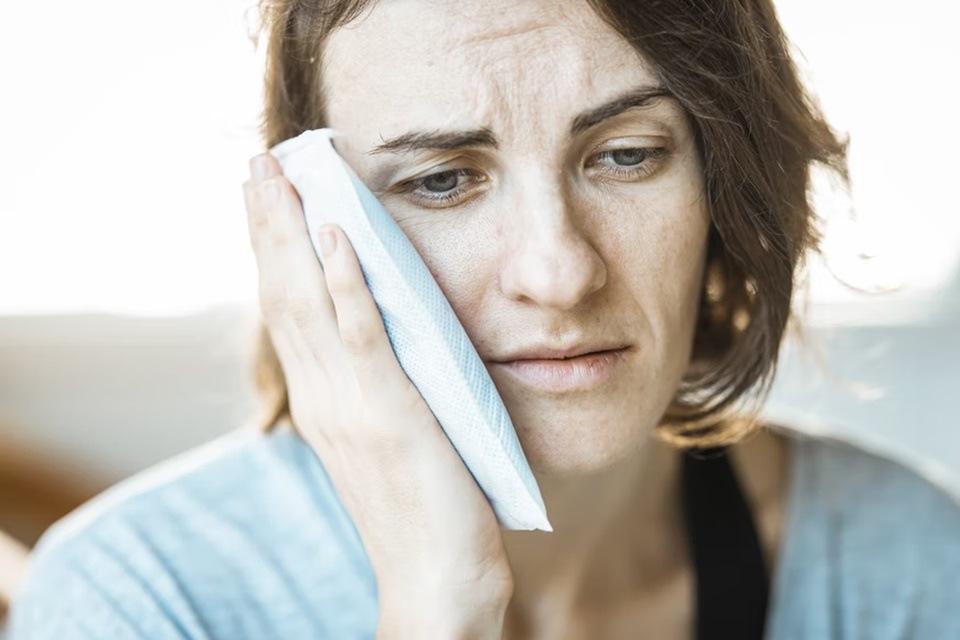
A new study evaluates the effects of menopausal symptoms on the intensity of pain caused by temporomandibular disorder during menopause. The findings of the research were published in the journal 'Menopause" by The North American Menopause Society (NAMS). (Also read: Ladies, these are the signs you are approaching menopause)
The loss of estrogen during the menopause transition can cause a number of physical changes and health concerns--from thinning hair and atrophied vaginal mucous membranes to hot flashes and an increased risk for osteoporosis and cardiovascular disease.
It is estimated that 4.8 per cent of US adults (roughly 12 million people) have had pain in the region of the temporomandibular joint (near the jaw). Some estimates are as high as 15 per cent of US adults who have had at least one symptom of TMD, which is the second most common musculoskeletal pain (with low back pain being first). Women are twice as likely as men to develop TMD, which has led to theories that the disorder is influenced by hormone changes.
To date, there is limited literature about the prevalence of TMD during the menopause transition, although a 2018 study showed that TMD was more common and severe in premenopausal versus postmenopausal women. The results were not surprising because there are estrogen and progesterone receptors in the temporomandibular joint discs.
{{/usCountry}}To date, there is limited literature about the prevalence of TMD during the menopause transition, although a 2018 study showed that TMD was more common and severe in premenopausal versus postmenopausal women. The results were not surprising because there are estrogen and progesterone receptors in the temporomandibular joint discs.
{{/usCountry}}In this new study, women were divided into groups on the basis of their menopause stage (late menopause transition, early postmenopause, and late postmenopause) to evaluate differences in the intensity of their TMD-induced pain. Based on the results, the researchers concluded that TMD-induced pain and menopause symptoms are primarily correlated in the late menopause transition.
Both diminish with age and progression through the postmenopause phases. In addition, socioeconomic factors such as education and ethnicity also affect TMD symptoms in women during early postmenopause. These results suggest the value of evaluating women for TMD as they approach the menopause transition.
"This study reinforces the known relationship between sex steroids, specifically estrogen, and the experience of pain. These results are unique in showing that TMD symptoms are linked with menopause symptoms and manifest differently across the menopause stages, with more prominent TMD and menopause symptoms occurring in the menopause transition compared with the year postmenopause. More study is needed to identify factors, such as low education, that influence these associations as well as strategies to mitigate bothersome TMD and menopause symptoms in midlife women," said Dr Stephanie Faubion, NAMS medical director.
Catch your daily dose of Fashion, Taylor Swift, Health, Festivals, Travel, Relationship, Recipe and all the other Latest Lifestyle News on Hindustan Times Website and APPs.
Catch your daily dose of Fashion, Taylor Swift, Health, Festivals, Travel, Relationship, Recipe and all the other Latest Lifestyle News on Hindustan Times Website and APPs.