
 E-Paper



Suffering from hyperpigmentation? Experts reveal which actives and professional treatments to go with

 Prefer HTon Google


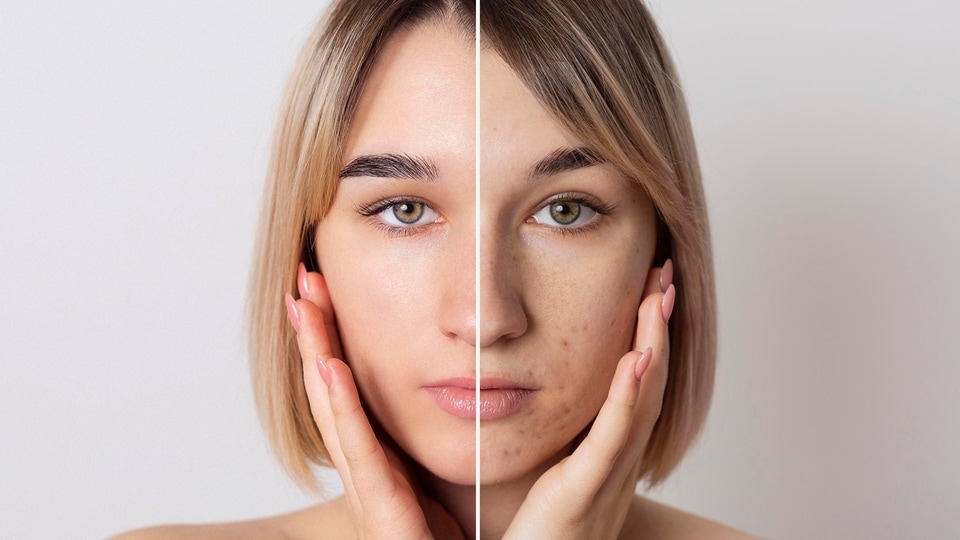
Hyperpigmentations can be stubborn, but with proper treatments, you can fade them. Here's everything you need to know.
Hyperpigmentation is one of the top skin concerns that plague many. The dull, uneven skin texture with dark spots can be stubborn to treat at times. Don't give up, as this pesky problem necessitates targeted treatments, from modifying your skincare routine, including certain actives, to getting professional treatments done.
HT Lifestyle reached out to dermatologists to gain a better insight into hyperpigmentation's causes and treatments.
Causes of hyperpigmentation
Hyperpigmentation is classified based on its underlying causes, with different types emerging from various triggers. Dr Mikki Singh highlighted the following key types:
- Melasma: Characterised by symmetrical dark-brown patches primarily on the cheeks, forehead, and upper lip, melasma is closely associated with hormonal fluctuations and sun exposure.
- Solar Lentigines (age spots or sunspots): Typically appearing as small, well-defined dark spots, these arise from cumulative sun exposure, usually in individuals over 40.
- Post-Inflammatory Hyperpigmentation (PIH): PIH emerges after acne lesions, injuries, or inflammatory skin conditions, manifesting as uneven, patchy darkening in previously inflamed areas.
Furthermore, Dr Singh explained the causes, “Hyperpigmentation refers to skin darkening due to excess melanin production by melanocytes, which can occur for various reasons. Among these, prolonged sun exposure (UV radiation) is the most common cause, as UV rays trigger melanocytes to produce excess melanin, leading to dark patches or spots.”
“Hormonal influences, particularly during pregnancy, menopause, or when using oral contraceptives, also frequently cause facial hyperpigmentation, known specifically as melasma, manifesting symmetrically on the forehead, cheeks, upper lip, or nose. Post-inflammatory hyperpigmentation (PIH) is another type commonly encountered after skin injury, acne breakouts, inflammation, or procedures such as chemical peels or laser treatments, resulting from the skin's inflammatory response,” Dr Singh added.
Sometimes, hyperpigmentation can be natural because of genetics. Dr Singh added, "Genetic predisposition and ethnic background significantly affect susceptibility, with individuals of darker skin tones typically more prone to hyperpigmentation due to higher baseline melanin levels and reactive melanocytes.”
Treatments for hyperpigmentation
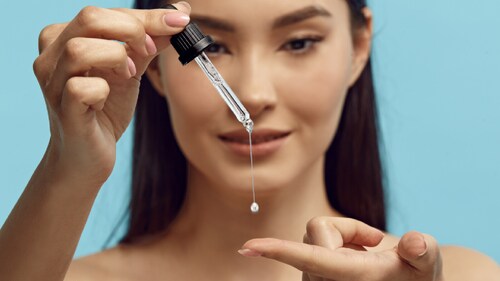
Dr Dipti Dhillon, on behalf of beauty brand La Pink, suggested incorporating specific skincare actives known for their brightening and skin-renewing properties. These ingredients help regulate melanin production, promote cell turnover, and restore an even complexion over time.
Dr Dhillon listed out the important skincare products that you can use to treat hyperpigmentation. The list consists of actives that target hyperpigmentation, along with essentials like sunscreen. Consider adding these to your skincare:
- Niacinamide: This versatile active not only minimises pigmentation but also strengthens the skin barrier and improves overall texture.
- Alpha arbutin: A gentle yet effective skin-brightening ingredient that slows melanin production, reducing dark spots without irritation.
- Licorice extract: Rich in glabridin, this botanical ingredient soothes the skin while preventing the formation of new pigmentation.
- Rosehip oil: Packed with essential fatty acids and Vitamin A, this ingredient nourishes the skin while promoting an even tone and natural radiance.
- AHAs (Glycolic & Lactic Acid): These exfoliating acids help remove dead skin cells, accelerating skin renewal and reducing hyperpigmentation over time.
- Turmeric extract: A natural brightening agent with anti-inflammatory benefits, it helps calm irritation and reduce dark spots for a luminous complexion.
- SPF (Sunscreen): No skincare routine for hyperpigmentation is complete without daily sun protection. UV rays can worsen pigmentation, making broad-spectrum
But not all hyperpigmentation can be treated with just a skincare routine, some cases may require professional intervention. Dr Mikki Singh added to the list some professional treatments for more stubborn pigmentation concerns:
- Laser therapy, including Q-switched lasers or fractional lasers, targets deeper pigmentation effectively, promoting even skin tone through the controlled removal of pigmented cells.
- Intense Pulsed Light (IPL) treatments are beneficial for superficial pigmentation like solar lentigines and photodamage-related pigmentation.
Note to readers: This article is for informational purposes only and not a substitute for professional medical advice. Always seek the advice of your doctor with any questions about a medical condition.


Catch your daily dose of Fashion, Taylor Swift, Health, Festivals, Travel, Relationship, Recipe and all the other Latest Lifestyle News on Hindustan Times Website and APPs.


