Protein is an essential macronutrient found in every cell of the body. It is made up of amino acids, which help in the growth, repair, and maintenance of body tissues. The body cannot make some amino acids and must get them from the food you eat. With increasing awareness about fitness, wellness, and nutrition, protein powders have become increasingly popular among athletes, fitness enthusiasts, older adults, and individuals recovering from illness. However, choosing the right protein powder requires understanding your nutritional needs, health goals, and dietary preferences.
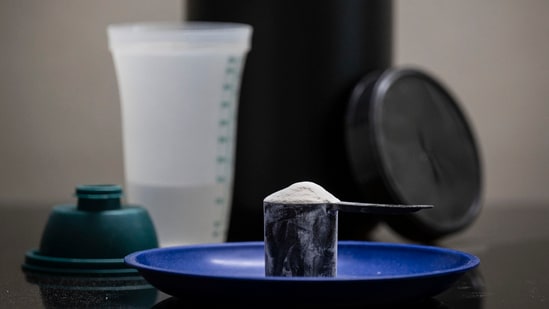
How much protein do you need? “Most healthy adults require around 0.8–1 g of protein per kg body weight per day. People involved in sports, strength training, or recovering from illness may need more protein based on their individual requirements,” Nutritionist Sheethal K, Cloudnine Hospitals, Bangalore, Jayanagar (ABM) & Bannerghatta Road, tells Health Shots.
6 types of protein powder
- Whey protein: Whey protein is a complete protein that contains all essential amino acids. It is derived from milk and is quickly absorbed by the body.
- Whey concentrate: Whey concentrate contains around 70–80% protein along with small amounts of fat and lactose.
- Whey isolate: Whey isolate contains more than 90% protein with very low amounts of carbohydrates and fat. It is commonly preferred for lean muscle development.
- Whey hydrolysate: Whey hydrolysate is partially broken down, which may lead to faster absorption and lower allergenic potential. It is used in specialised and medical nutrition.
- Casein protein: It provides a slow, steady release of amino acids. Since it takes longer to digest, it supports long-term muscle repair and tissue maintenance.
- Plant-based proteins: These protein powders are suitable for vegetarians, vegans, and individuals with lactose intolerance; sources include soy, pea, brown rice, chia, and other plant-based proteins.
Choosing the right protein powder
Nowadays, protein powders have become more popular among athletes, fitness people, older adults, and even people recovering from illness. “Choosing the right one depends on your health goals, dietary preferences and nutritional needs”, says the nutritionist.
- Identify the goal: Before choosing a protein powder, first understand why you need it and what you want to achieve. Example: Muscle building, weight management, recovery from illness, or meeting increased protein requirements.
- Check for allergies or intolerances: People with lactose intolerance may avoid whey concentrate or casein and consider lactose-free or plant-based protein options.
- Evaluate the protein content: Checking the protein content helps you choose a product according to your nutritional requirements. Check protein per serving, added sugar content, and unnecessary fillers.
- Consider digestibility and taste: Choose a protein powder that is easy to digest and suits your taste preference. Some products may contain digestive enzymes or added ingredients that may support digestion.
- Look for quality certification and safety: Choose protein powders from trusted brands that follow quality and safety standards. Check for FSSAI approval and quality certifications. These certifications help to ensure the product is safe and meets quality standards.
- Check the ingredients: Some protein powders may contain artificial sweeteners, added sugars, fillers, or other additives. Always check the ingredient list before purchasing.
- Choose the right protein sources: Select whey, casein, soy, or another protein based on your dietary preference and health needs.
Who should consult before using protein powder?
- Pregnant and breastfeeding women
- People with kidney or liver disease
- Individuals with food allergies
- Children (unless recommended by a healthcare professional)
- Food-first approach: Natural protein sources should always be prioritised, including pulses, legumes, dairy products, eggs, fish, chicken, nuts, and seeds.
Common myths and facts
Myths
- Protein powder is only for muscle builders.
- More protein means more muscles.
- Protein powder damages kidneys.
- Protein powder can replace meals.
Facts
- Anyone who cannot meet their protein requirements through food may use protein supplements alone.
- Muscle growth depends on protein intake, exercise, overall diet and recovery.
- Protein supplements are generally safe for healthy people when taken in recommended amounts. People with kidney disease should consult a healthcare professional.
- Protein powder is a supplement and should not replace a balanced meal.
Possible risks of excessive or inappropriate protein powder use
- Kidney damage: The kidneys filter waste products from protein metabolism. Excessive protein intake may increase the workload on the kidneys. People with kidney disease should consult a healthcare professional before using protein supplements.
- Liver dysfunction: Excessive supplement use may increase stress on the liver, especially in people with existing liver conditions.
- Heart dysfunction: Protein powders high in added sugar or saturated fat may negatively affect heart health when consumed regularly.
- Stomach issues: People with lactose intolerance or allergies may experience digestive problems such as bloating, gas, stomach discomfort, or diarrhoea.
Protein powder can be a useful supplement when chosen wisely and used correctly. Always select a high-quality product that aligns with your health goals, dietary preferences, and nutritional needs.
(Disclaimer: At Hindustan Times, we help you stay up to date with the latest trends and products. Hindustan Times has an affiliate partnership, so we may get a part of the revenue when you make a purchase. We shall not be liable for any claim under applicable laws, including, but not limited to, the Consumer Protection Act, 2019, arising from the products. The products listed in this article are in no particular order of priority, and the brands have not been directly suggested by the expert mentioned.
This article is for informational purposes only and is not a substitute for professional medical advice. Always seek the advice of your doctor with any questions about a medical condition.)
Catch your daily dose of Fashion, Taylor Swift, Health, Festivals, Travel, Relationship, Recipe and all the other Latest Lifestyle News on Hindustan Times Website and APPs.
Catch your daily dose of Fashion, Taylor Swift, Health, Festivals, Travel, Relationship, Recipe and all the other Latest Lifestyle News on Hindustan Times Website and APPs.