
 E-Paper



World Stroke Day: Signs of a silent brain stroke; how it affects your brain

 Prefer HTon Google


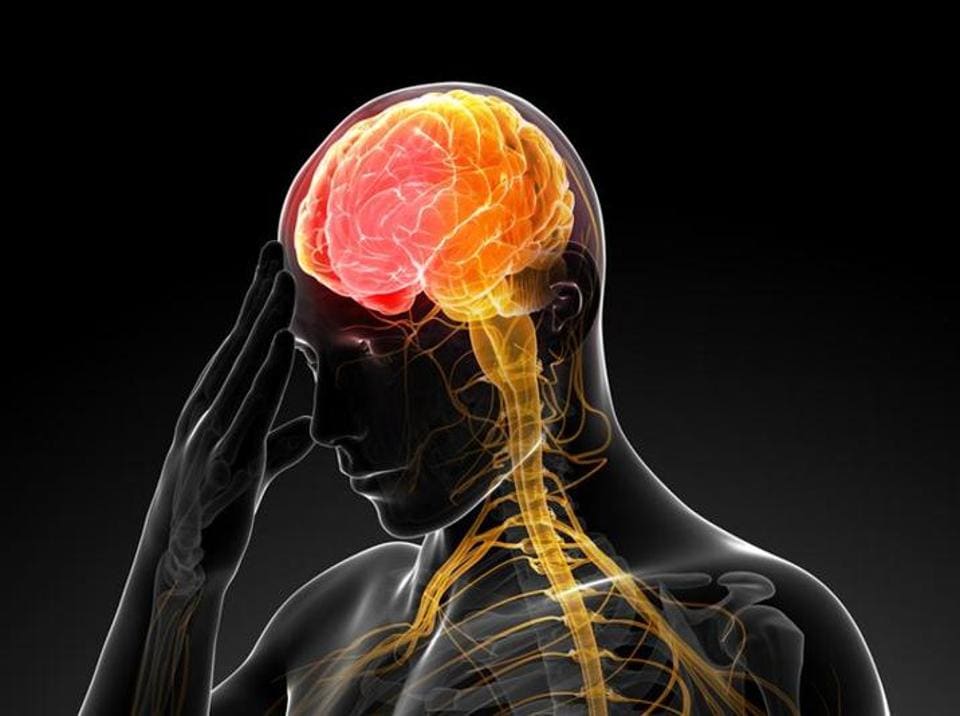
Silent strokes occur when a clot blocks a blood vessel in the brain, but the person experiences no noticeable symptoms. All you want to know.
Silent brain stroke, as the name suggests, doesn't have any symptoms and is thus difficult to identify. There are chances that you may not even know if you have suffered one. People usually accidentally discover about a silent brain stroke when they go for a brain scan for other issues such as headache, cognitive issues or dizziness. Silent brain stroke unlike the usual stroke damages a small part of brain and people may have slight mobility or memory issues in such cases. (Also read: World Stroke Day: Lifestyle changes, healthy foods, exercises to prevent stroke)
"Silent strokes occur when a clot blocks a blood vessel in the brain, but the person experiences no noticeable symptoms. This can cause damage to a small part of the brain. Due to a lack of noticeable symptoms, silent can be difficult to identify," says Dr Kunal Bahrani, Director Neurology Fortis Escorts Hospital, Faridabad.
If the stroke only damages a small part of the brain that does not control essential functions, a person may experience no symptoms at all. This is the reason it is described as a silent stroke.
Silent stroke: Why it has no symptoms
"Silent strokes do not present with any obvious symptoms or signs. However, a person might have slight memory or mobility issues that they have not considered could be connected to a stroke. Instead, silent strokes tend to reveal themselves on brain scans for other conditions, such as headaches, cognitive issues, or dizziness," says Dr Bahrani.
A doctor may diagnose a silent stroke when they find certain signs on a person’s brain scan: white spots, scarred tissue, tiny areas of bleeding vessels etc, says the neurologist.
Subtle signs of a silent stroke
The signs of a silent stroke may be very subtle. They are mistaken for regular signs of aging.
- Difficulty balancing
- Difficulty with bladder control
- Mood changes
- Reduced ability to think etc.
Silent stroke: Is it similar to ischemic stroke or haemorrhagic stroke?
"A silent stroke is similar to an ischemic stroke as it results from a clot blocking a blood vessel in the brain. Although a transient ischemic attack also blocks a blood vessel with a clot, it is only a temporary blockage. This is different from a haemorrhagic stroke, which results from a damaged artery leaking blood into the brain and causing a pressure build up. Atrial fibrillation, which commonly causes irregular heartbeat in people over 65 years of age, is linked to silent strokes," says Dr Bahrani.
Is there any treatment?
As silent strokes often go undetected, a person may never know they need treatment. Alternatively, they may only discover they require treatment following screening for another health condition.
"If a person has a brain scan and their doctor detects one or multiple silent strokes, they may prescribe medications. For instance, blood thinning medications can help to lower blood pressure, and cholesterol medications can help to lower low-density lipoprotein (LDL) cholesterol. This can reduce their risk of future strokes," concludes Dr Kunal Bahrani.


