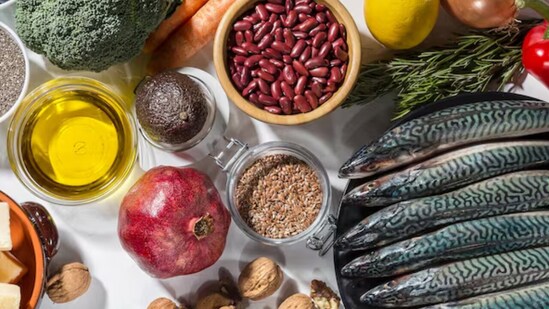
Apart from maintaining healthy skin, hair, and nails, zinc is one of the most crucial nutrients for overall body function. It plays a vital role in wound healing, proper growth and development, hormone production, and protein synthesis, the process by which the human body produces proteins. Since the body cannot produce zinc on its own, relying on zinc-rich foods is essential. Several signs may indicate zinc deficiency, including poor appetite and unintended weight loss, digestive issues such as impaired gut barrier function and diarrhea, delayed wound healing, hair loss or thinning (alopecia), and even vision loss with time.
Darshana, a nutritionist at Rainbow Children's Hospital, tells Health Shots: “Zinc also supports growth and development during pregnancy, childhood, and adolescence. It is also essential for the eyes, and its deficiency can contribute to the development of eye conditions, including macular degeneration.”
Top zinc-rich foods to add to your diet
As per the nutritionist, oysters are the richest natural source of zinc. Red meat, poultry, eggs, and fish are other excellent sources. Zinc found in these food sources can easily be absorbed in the body.
Vegetarian sources of zinc include pumpkin and sesame seeds, chickpeas, lentils, beans, cashews, almonds, tofu, whole grains, dairy products, mushrooms, and spinach. Seeds and legumes are also particularly valuable additions to everyday meals.
How to improve zinc absorption?
- Pair plant-based zinc sources with food rich in vitamin C
- Soak, sprout, or ferment beans and grains to reduce phytates, which block absorption
- Include some protein with zinc-rich meals
- Avoid taking zinc together with high-dose iron or calcium supplements, which compete for absorption
How much zinc should you take?
Daily zinc needs depend on your age and stage of life. Most adult men require about 11 mg per day, while adult women need around 8 mg. During pregnancy and breastfeeding, the requirement increases slightly, as zinc plays a key role in growth and development, says the nutritionist.
According to the National Library of Medicine, an excess of zinc leads to diarrhea, abdominal cramps, and vomiting within 3 to 10 hours of swallowing the supplement. The symptoms usually alleviate within a short period. An excess intake of zinc can result in copper or iron deficiency or anemia.
Who should be cautious?
As per the nutritionist, people with kidney or liver disease, those already taking multivitamins, individuals on certain medications, and pregnant or breastfeeding women should consult a doctor. Long-term high-dose supplements may cause nausea, anemia, copper deficiency, or weakened immunity.
Frequently asked questions( FAQS)
Why is zinc important?
It is involved in numerous aspects of cellular metabolism. It is necessary for the catalytic activity of hundreds of enzymes and aids in immune function, protein and DNA synthesis, wound healing, and cell signaling and division.
Why is zinc important?
It is involved in numerous aspects of cellular metabolism. It is necessary for the catalytic activity of hundreds of enzymes and aids in immune function, protein and DNA synthesis, wound healing, and cell signaling and division.
Is it safe to take zinc for pregnant ladies?
Pregnant or breastfeeding women should consult a doctor before beginning the intake of zinc.
What are the side effects of taking zinc?
An excess of zinc can lead to diarrhea, abdominal cramps, and vomiting, as noted in the National Library of Medicine.
(Note to readers: This article is for informational purposes only and not a substitute for professional medical advice. Always seek the advice of your doctor with any questions about a medical condition.)
Catch your daily dose of Fashion, Taylor Swift, Health, Festivals, Travel, Relationship, Recipe and all the other Latest Lifestyle News on Hindustan Times Website and APPs.
Catch your daily dose of Fashion, Taylor Swift, Health, Festivals, Travel, Relationship, Recipe and all the other Latest Lifestyle News on Hindustan Times Website and APPs.