Wine tourism is no longer just about tasting a few local vintages. I was planning a European itinerary and realised that vineyards, cellar doors and wine tasting events now form a natural part of the modern holiday. Curious to understand this shift, I spoke to wine marketing and tourism consultant Shalini Singh, who has been working across Europe’s leading wine regions and has helped wineries craft immersive experiences for travellers.
From tasting rooms to lifestyle experiences
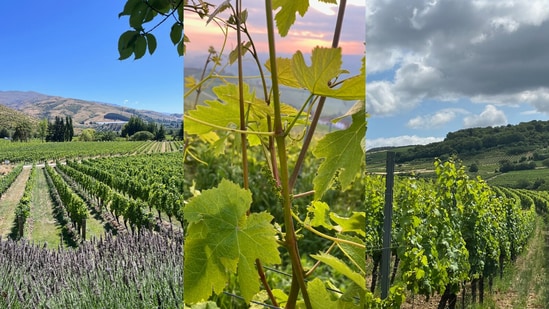
Wine tourism has grown far beyond its roots. Singh explains that it has always been more than just sampling wine but now the focus has expanded to cultural immersion, gastronomy and authentic storytelling. Modern travellers look for sustainability, family-friendly activities and experiences that connect them to the land and people. In Italy and Spain, for example, wine tourism now includes culinary tours, local history and even archaeological sites alongside traditional tastings.
Non-wine elements have become central to the experience. Wine and wellness retreats combine spa sessions and vineyard walks. Vineyard architecture draws travellers fascinated by design. Local gastronomy complements the wines, with chefs creating pairings that elevate the visit. Singh also notes that awards such as the Great Wine Capitals recognise family-friendly wine tourism, proving that immersive experiences are now a key draw.
Click here for bookings and more.
Immersive stays and agri-tourism
Travellers are increasingly choosing to stay on-site at vineyards instead of nearby hotels. Boutique farm stays and luxury châteaux let guests live the wine lifestyle fully. Singh points out that these immersive stays satisfy the modern wine tourist’s desire for authenticity and a closer connection to producers and the land.
Bespoke itineraries and private wine consultants help plan longer stays that mix wine tastings with cultural and outdoor activities. Planning these trips carefully ensures every moment is meaningful and enjoyable.
Underdog wine regions to explore
For those seeking unique experiences, underdog destinations offer exceptional value and discovery. The expert recommends the following:
- Georgia for its indigenous grape varieties
- Bulgaria for emerging wine regions
- Chile for striking landscapes and boutique wineries
- Luxembourg for hidden, high-quality vineyards
- Greece for authentic family-run estates
- Northeast Italy, including the Dolomites, for mountain wines
- Lesser-known South of France regions beyond Provence
- United Kingdom for its crisp sparkling wines and sustainable vineyards
- India, for its evolving wine tourism scene centred around Nashik and Nandi Hills.
These destinations combine authenticity with fewer crowds, allowing travellers to connect with winemakers and enjoy distinctive wines.
Tips for a perfect wine holiday
Planning a luxury wine getaway requires careful attention to detail. Shalini Singh suggests:
- Avoid overbooking. Two wine tastings a day are usually enough to enjoy the full experience.
- Book ahead. Many wineries do not accept walk-ins, and the winemaker often leads tastings.
- Arrange transport. Zero alcohol tolerance rules in Europe make transfers or private drivers essential.
- Mix winery sizes. Visiting small, medium and large producers gives a richer perspective on the region.
Timing your visit
Choosing the right month can enhance the experience. Singh shares that post-harvest months of October and November are ideal for western Europe’s coastal regions and mainland wineries, while April and May suit island wine destinations for sun and beach activities. New Zealand wine regions are best visited in February, when the weather is perfect for hiking and exploring. Bordeaux offers city-based wine tourism almost all year round, except December when many wineries close for the holidays.
Bespoke itineraries can help tailor the timing based on wine and non-wine activities, ensuring travellers experience each region at its best.
Global growth and trends
Global interest in vineyard experiences is steadily rising. The Global Wine Tourism Report 2025 by Geisenheim University shows that travellers increasingly seek destinations combining local culture, gastronomy and sustainability, reflecting Singh's observations.
Looking ahead
The future of wine tourism is moving towards personalised, culturally immersive experiences. Singh emphasises that it is not just technology, sustainability or emerging wine styles that will change the experience, but a combination of storytelling, accessibility and thoughtfully curated trips. Global recognition, including discussions at the UN wine tourism conference, highlights how this sector is becoming an essential part of luxury lifestyle travel.
Plan your next wine-cation
Wine tourism today is an opportunity to combine culture, gastronomy and relaxation in a single immersive trip. Shalini sums it up simply: “Modern wine travellers want connections, authenticity and experiences they remember long after the bottle is empty.”
With careful planning, attention to timing and an eye for hidden gems, a wine holiday can become a truly unforgettable lifestyle experience.
Reference: Global Wine Tourism Report 2025 by Geisenheim University
Similar articles for you
Andaman's untouched charms: A guide to your mindful island escape
Forget safaris: At Kolkata’s hidden zoo gem, watch exotic wildlife up close!
Tropic of Cancer, one of Bhopal's underrated gems: Scenic drive you cannot miss
₹2500">Travel smarter, not harder: Your guide to affordable trolley bags under ₹2500
Catch your daily dose of Fashion, Taylor Swift, Health, Festivals, Travel, Relationship, Recipe and all the other Latest Lifestyle News on Hindustan Times Website and APPs.
Catch your daily dose of Fashion, Taylor Swift, Health, Festivals, Travel, Relationship, Recipe and all the other Latest Lifestyle News on Hindustan Times Website and APPs.