Fourteen Karnataka Lok Sabha seats will go to the polls on Thursday, with the state’s ruling Congress-Janata Dal (Secular) coalition posing a challenge to the Bharatiya Janata Party (BJP). Voting in the remaining 14 Lok Sabha seats will take place on April 23.
The BJP has won more than half the Lok Sabha seats in Karnataka in each of the last three general elections. In Mandya, Chief Minister HD Kumaraswamy’s son, Nikhil, is battling against independent candidate backed by the BJP, Sumalatha, who is the widow of the late film actor and former Union minister Ambareesh.
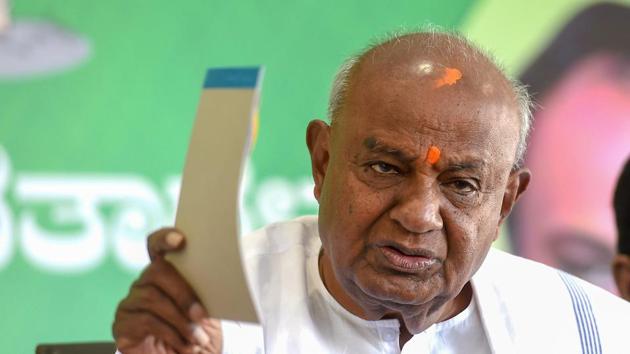
Another grandson of former Prime Minister HD Deve Gowda, Prajwal Revanna, is contesting the Hassan seat as the JD (S) candidate. Deve Gowda himself will contest from Tumakuru. Other significant contenders include former union minister KH Muniyappa, who is attempting an eighth consecutive victory from Kolar, a Scheduled Caste reserved seat.
Searches by the Income Tax (I-T) department across the state caused acrimony among coalition leaders, who staged a protest on March 28 alleging that they were being targeted.
According to the Election Commission, around Rs 16 crore in cash had been seized by its flying squads and about Rs 15 crore by the I-T department until Tuesday.
{{/usCountry}}According to the Election Commission, around Rs 16 crore in cash had been seized by its flying squads and about Rs 15 crore by the I-T department until Tuesday.
{{/usCountry}}Controversy has also been in evidence in the BJP camp, especially in the Bengaluru South constituency, where the party’s central leadership picked 28-year-old lawyer Tejasvi Surya as its candidate, overlooking the state unit’s choice of Tejaswini Ananth Kumar, the widow of late Union minister HN Ananth Kumar.
Political analyst Narendar Pani, who is a faculty at the National Institute of Advanced Studies, said there was really no overarching theme in the state in the current elections.
“It is really 14 very different elections, where there are no overlaps even between neighbouring constituencies,” he said. “It is just a question of very localised factors that will determine the final outcome,” he added.