
 E-Paper



Wake-up songs: Across the south, bands are using folk to rock the boat

 Prefer HTon Google


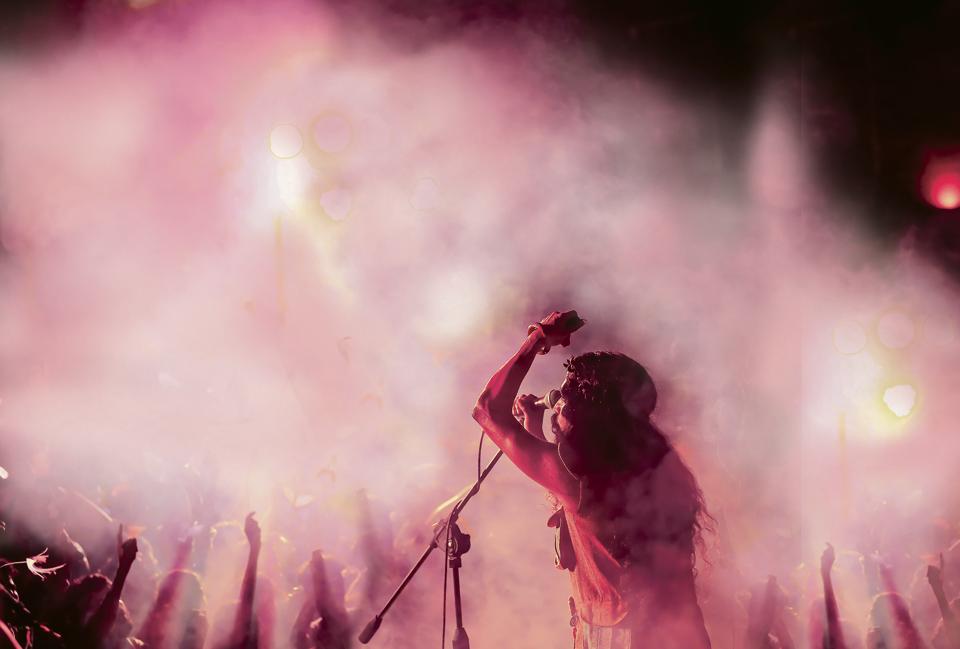
Groups like Willuwandi, Oorali Express and Casteless Collective are merging tradition with death metal and rap to sing of votebank politics, crimes against women and climate change.
What would you sing about, if it could be anything? In Kerala and Tamil Nadu, ‘protest bands’ are using folk tunes to sing about caste atrocities, gender politics, the environment and climate change, as well as beef politics, equal rights for women, and caste.
Chennai band The Casteless Collective, founded by the Tamil film director Pa Ranjith, shot to fame in 2018 with a song modelled on gaana — a type of tune traditionally sung at funerals in the state, and later used as a form of protest music among the working class. Their Quota Song, released last year, blends the fast-paced, triple pulse beats of the katte and chatti percussion instruments with hip-hop, and takes on caste. It has nearly half a million views on YouTube.
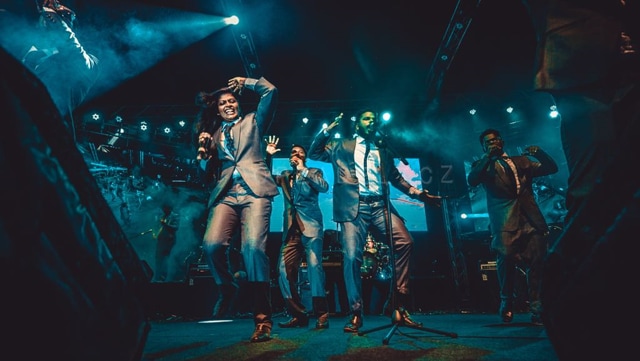
“This is the sound of working class Madras,” says Tenma, producer of the collective, which is made up of 12 musicians from various backgrounds. “We have rappers, folk musicians, gaana singers, jazz artists.” The collective has released a total of 35 songs so far.
“People come to our concerts with their entire families,” says Arivu, who sings and writes lyrics for the band in collaboration with Tenma. “You’ll see old people dancing, youngsters listening in rapt attention. Because never before have they heard their struggles being celebrated in a song.”
A RECKONING IN RAP
Arivu, 25, writes Tamil songs with music producer Rohith Abraham aka OfRo, about caste and other social issues. Arivu sings in freestyle rap – blending rhythmic speech and street vernacular over a backing beat to deliver his message.

Raised in a house with no TV, but filled with books by and on Dalit icons BR Ambedkar and Periyar Ramasamy, he says he grew up watching folk musicians perform in his village and has been writing his own lyrics to their tunes since he was six. “My people were not treated like everyone else. This is what I sing about,” says the 25-year-old.
His 2019 album Therukkural (Tamil for, Voice on the Street) is streaming on Spotify, Google Play, and Apple Music is the realisation of a lifelong dream. His songs speak of votebank politics, selfish politicians, crimes against women, and protestors lost to police bullets.
Arivu says his process is more of a purge. “I observe everything happening around me until he can take it no more and it bursts out as a song. But I am mindful to not misuse words or romanticise for applause,” he says. “This mistake has been made may times by many elders before me.”
TRAVELLING BANDS
In neighbouring Kerala, Oorali Express is a band and a travelling bus that turns into a stage for its artists, who blend song, theatre and music to start conversations with their audiences.
They mostly use wood and skin instrument like the djembe, cajon and bongo along with clay pipes and a bass guitar. Their sounds swing from reggae, folk and blues to rock and pop.
Drummer Saji Kadampattil, 38, says the band is ‘genre-agnostic’. They sing in Spanish, Malayalam and Hindi. They wear outrageous costumes designed to match their lights.
They sing of caste and the environment, among other issues. Their song, An Art Tribute to Rohit Vemula, has 201,000 views on YouTube. “Our music is both personal and political,” says Saji. “But we use words like ‘us’ and ‘we’, never ‘them and they’.”
The band has 25 songs which can be performed in ‘song speak’. “As a civil society, there is a point beyond which you cannot fake indifference to what is happening around you. We are at that point,” Saji says.
A DARK MESSAGE
In Kochi, a black metal and death metal band called Willuwandi, made up entirely of Dalits, takes its name from the Villuvandi Yatra staged by a Dalit king in 1893, who rode a bullock cart or villuvandi against the wishes of the upper-caste. “He used a bullock cart, we use music as our expression of resistance,” says Sethu, 29, lead guitarist and vocalist. Their songs are raspy, with high-pitched vocals, and the occasional black metal screech and scream.
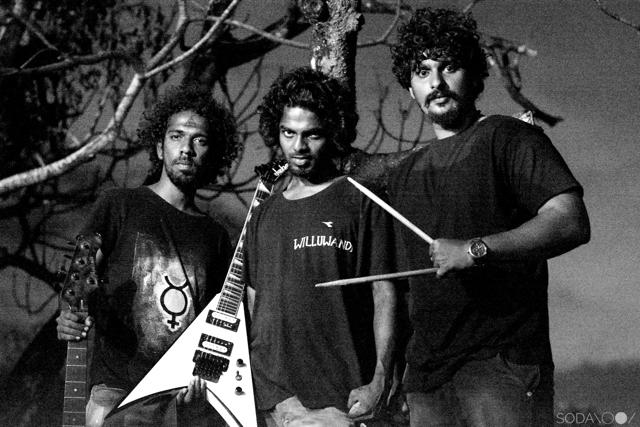
“These are ‘wake-up’ songs for society,” says Sethu. “This country is ours too. We have to wake up and regain it.”
His biggest dream is to perform in Deekshabhoomi, Nagpur, where Ambedkar united lakhs of people, wearing the black coat amidst hundreds of thousands gathered to bear witness.


