Pharmaceutical waste discharged into creeks, rivers and lakes can make its way back into a glass of drinking water, revealed a study led by the Indian Institute of Technology –Bombay (IIT-B).
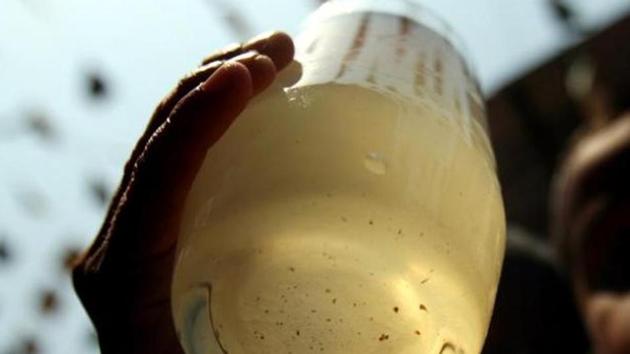
“When inland cities discharge pharmaceutical waste into water bodies, there is a high chance of people living downstream consuming those through source waters used for drinking purposes. Ground water can also get contaminated through infiltration and percolation of contaminated water,” said Lokesh Padhye, co-author, and senior lecturer, department of civil and environmental engineering, University of Auckland, New Zealand.
Researchers surveyed around 90 pharmaceutical retail outlets and 17 hospitals in Mumbai and rated 12 pharmaceuticals on a scale of one to five, based on estimated frequency of consumption.
The only way to eliminate such waste from contaminating the creek and finally, the sea, is by moving beyond the current primary and biological treatment methods, said researchers.
“Along with the current practices, there is need for the tertiary treatment of wastewater in Mumbai, for example filtration combined with disinfection processes used in the U.S. wastewater treatment plants (WWTPs) in this study. Majority of large WWTPs in the developed world include tertiary treatment,” said Padhye.
Researchers said WWTPs did not have tertiary treatment options.
This, coupled with the lack of any regulations for treating such waste before it leaves hospitals or even industries, is what contaminates water.
“There are no permissible limits on the pharmaceuticals present in waste water effluents. A regulation will come into place only once more studies are conducted on the occurrence of pharmaceuticals in WTPPs and environmental toxicity, before long-term impacts on human health are established,” said Sanjeeb Mohapatra, co-author, and doctoral student, centre for environmental science and engineering, IIT-B.
“In light of escalating population growth, irregular rains, and increased water stress in many of India’s regions, reusing treated wastewater is becoming a more viable solution. Hence, understanding the concentration of pharmaceuticals in Indian wastewater is relevant,” stated the study.
{{/usCountry}}“In light of escalating population growth, irregular rains, and increased water stress in many of India’s regions, reusing treated wastewater is becoming a more viable solution. Hence, understanding the concentration of pharmaceuticals in Indian wastewater is relevant,” stated the study.
{{/usCountry}}“High concentrations of pharmaceuticals observed at Indian WWTPs were interconnected with several factors such as zonal planning, incidence of seasonal diseases and medicine consumption patterns, rainfall intensity, and lifestyle-associated diseases,” the study said.
Stay updated with all the Breaking News and Latest News from Mumbai. Click here for comprehensive coverage of top Cities including Bengaluru, Delhi, Hyderabad, and more across India along with Stay informed on the latest happenings in World News.
Stay updated with all the Breaking News and Latest News from Mumbai. Click here for comprehensive coverage of top Cities including Bengaluru, Delhi, Hyderabad, and more across India along with Stay informed on the latest happenings in World News.