In its latest revision of the proposed City Taxi Scheme 2015, the Maharashtra government mooted maximum and minimum fares for app-based taxi aggregators, based on the type and capacity of vehicles.
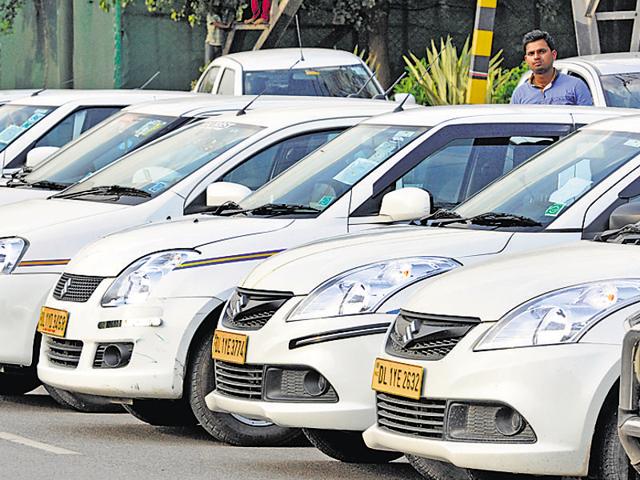
The City Taxi Scheme 2015 governs all taxis, including those operated by app-based aggregators such as Uber and Ola.
The government also decided to scrap the proposed limit of 4,000 taxis per aggregator, which will allow them to operate as many taxis as they wish.
However, the latest revision scrapped two safety measures – panic buttons and GPS locators in all app-based cabs. While panic buttons could have been a useful safety feature, scrapping the GPS requirement may be moot, considering all app-based taxis already have a GPS locator – the driver’s mobile phone. A proposal to install electronic fare meters in app-based cabs was also scrapped.
The decision to scrap panic buttons and GPS locators surprised many, as before the government proposed the City Taxi Scheme 2015, it had directed all app-based aggregators to install these devices in all their taxis and set up control rooms.
The latest changes were discussed at a meeting headed by chief minister Devendra Fadnavis to finalise the proposed policy. An official, who did not wish to be named, said Fadnavis and transport minister Diwakar Raote initially disagreed on the proposal for minimum fares. Raote was in favour of it, while Fadnavis felt there was no need for such a cap if it did not benefit passengers. But they finally agreed on specifying both minimum and maximum fares.
{{/usCountry}}The latest changes were discussed at a meeting headed by chief minister Devendra Fadnavis to finalise the proposed policy. An official, who did not wish to be named, said Fadnavis and transport minister Diwakar Raote initially disagreed on the proposal for minimum fares. Raote was in favour of it, while Fadnavis felt there was no need for such a cap if it did not benefit passengers. But they finally agreed on specifying both minimum and maximum fares.
{{/usCountry}}The City Taxi Scheme 2015 was borne out of opposition from traditional taxi unions to app-based aggregators such as Uber and Ola, which have achieved huge popularity in a short time. It is an attempt by the state government to level the playing field between traditional black-and-yellow taxis and autorickshaws – who have gone on strike several times over the issue – and their high-tech competitors.
This is the second revision to the proposed scheme. Documents accessed by HT suggest the government plans to revise it again, before inviting suggestions and objections to the final draft from citizens.
What are the latest changes to proposed City Taxi Scheme 2015
What is the City Taxi Scheme 2015?
Why the new scheme?
The new taxi scheme aims to tackle two major issues – passenger safety and opposition to app-based taxi aggregators from unions of traditional black-and-yellow taxis and autorickshaws.
What will change?
Taxis in Mumbai
40,000: Black-and-yellow taxis
30,000: App-based cabs
5,000: Cool Cabs and radio taxis
Stay updated with all the Breaking News and Latest News from Mumbai. Click here for comprehensive coverage of top Cities including Bengaluru, Delhi, Hyderabad, and more across India along with Stay informed on the latest happenings in World News.
Stay updated with all the Breaking News and Latest News from Mumbai. Click here for comprehensive coverage of top Cities including Bengaluru, Delhi, Hyderabad, and more across India along with Stay informed on the latest happenings in World News.